11 Home Lighting Trends Ideas
Lighting has become one of the strongest ways to change how a room feels without replacing every piece of furniture. A good fixture can make a kitchen feel warmer, a bedroom feel calmer, a hallway feel more polished, and a living room feel ready for guests. Across current 2026 design trend coverage, the biggest directions include layered lighting, warm bulbs, rechargeable lamps, wall sconces, sculptural shapes, natural materials, amber glass, fabric shades, and richer metal finishes.
For USA homes, these trends are useful because they work in real spaces, not only designer showrooms. You can update a rental with plug-in sconces, make a small apartment feel cozy with cordless lamps, or give a dining room more drama with a sculptural pendant. The best home lighting choices now feel personal, flexible, and layered. They support daily routines while making rooms look beautiful in photos, on Pinterest, and in everyday life.
1. Warm Layers
- Mix ceiling lights, lamps, sconces, and accent glow
- Use warm white bulbs for a softer room mood
- Add dimmers where possible for flexible control
- Works in living rooms, bedrooms, kitchens, and hallways
- Makes spaces feel finished instead of flat
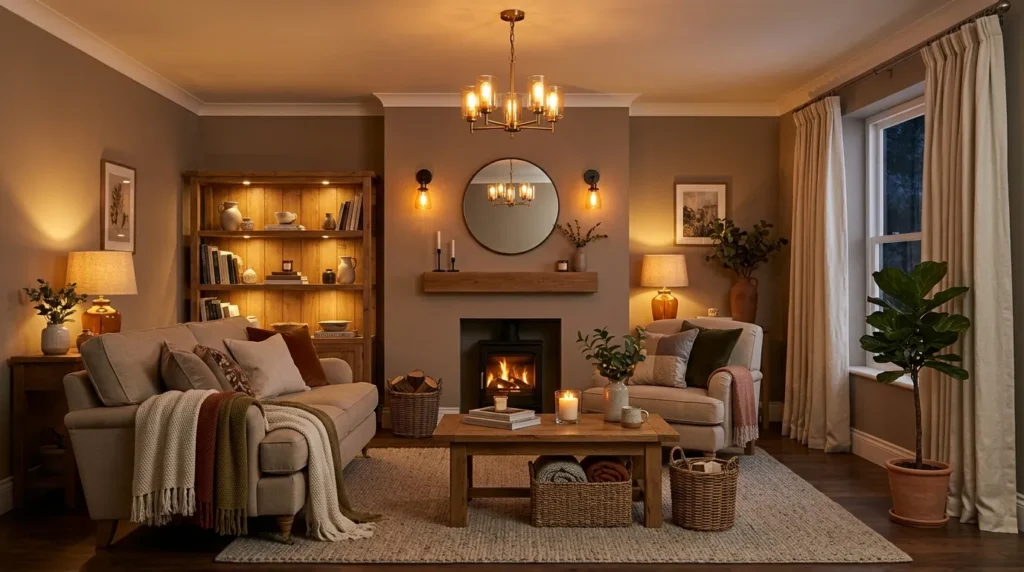
Warm layered light can make an ordinary room feel softer, calmer, and more expensive almost immediately. Instead of relying on one bright ceiling fixture, layer several light sources at different heights. Use a ceiling light for general brightness, table lamps for comfort, sconces for wall glow, and small accent lights for shelves or corners. In my experience, this works especially well in open-plan homes because each zone can feel defined without adding walls or bulky furniture.
The easiest way to start is by changing bulbs before buying new fixtures. Warm white bulbs around 2700K to 3000K usually feel more flattering in living spaces than cool blue light. Add dimmers, smart bulbs, or plug-in controls so the room can shift from cleaning mode to evening mode. Keep task areas brighter and relaxation corners softer. This kind of lighting plan makes a room more usable throughout the day while creating a cozy glow that feels natural, welcoming, and carefully styled.
2. Sculptural Pendants
- Creates a focal point above tables, islands, and entries
- Works with curved, oversized, ribbed, or asymmetrical shapes
- Adds art-like style even when the light is off
- Pairs well with simple furniture and clean walls
- Best when scaled to the room and ceiling height
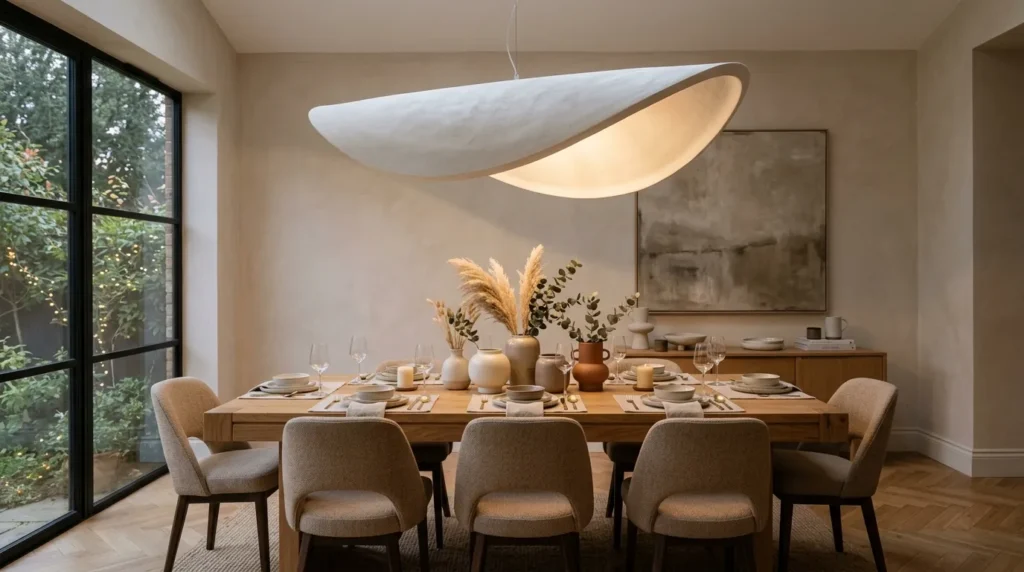
Sculptural pendants are popular because they work like functional art. A curved metal pendant, oversized paper shade, ribbed glass fixture, or organic ceramic form can anchor a dining table, kitchen island, entryway, or bedroom corner. The shape matters as much as the glow. That’s why many designers recommend choosing lighting with presence in rooms where furniture is simple. A strong pendant gives the eye something to notice without needing extra wall decor or surface clutter.
Scale is what makes this idea successful. A tiny pendant over a large dining table can look lost, while an oversized fixture in a low-ceiling room can feel heavy. Measure the area before buying, and check hanging height carefully. Over dining tables and islands, the fixture should feel low enough to connect with the surface but high enough to avoid blocking faces or movement. Choose matte metal, frosted glass, woven fiber, paper, or ceramic depending on the room mood. The result feels intentional and visually memorable.
3. Cordless Lamps
- Works where outlets are limited or awkward
- Great for shelves, dining tables, bathrooms, patios, and consoles
- Adds soft glow without visible cords
- Useful for renters and small apartments
- Easy to move for entertaining or seasonal styling
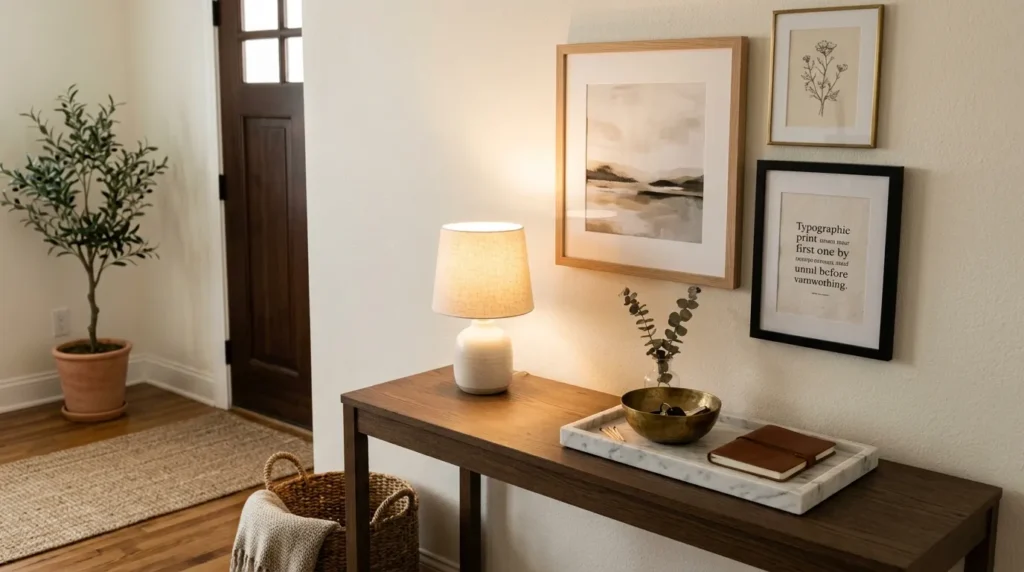
Cordless rechargeable lamps are one of the most practical lighting trends because they solve a real layout problem. Many homes have outlets in the wrong places, especially in older houses, apartments, patios, and entryways. A cordless lamp can bring glow to a dining table, open shelf, bathroom counter, kitchen corner, or nightstand without dragging cords across the room. Current trend coverage continues to highlight rechargeable lamps as a flexible way to add warmth beyond fixed outlets. (HVL Group)
Use cordless lamps where they improve both style and function. A small lamp on a dinner table feels intimate, while one on a console can make an entry feel welcoming. In bathrooms, choose moisture-aware placement and keep lamps away from water. For patios, use outdoor-rated options only. Battery life matters, so check charging time and brightness settings before buying. These lamps work best as mood lighting, not main task lighting. They add polish, flexibility, and a cozy glow exactly where a room needs it.
4. Wall Sconces
- Adds light without taking up table or floor space
- Works beside beds, mirrors, fireplaces, desks, and sofas
- Available in hardwired, plug-in, and battery styles
- Creates a polished designer look on blank walls
- Helps small rooms feel layered and intentional
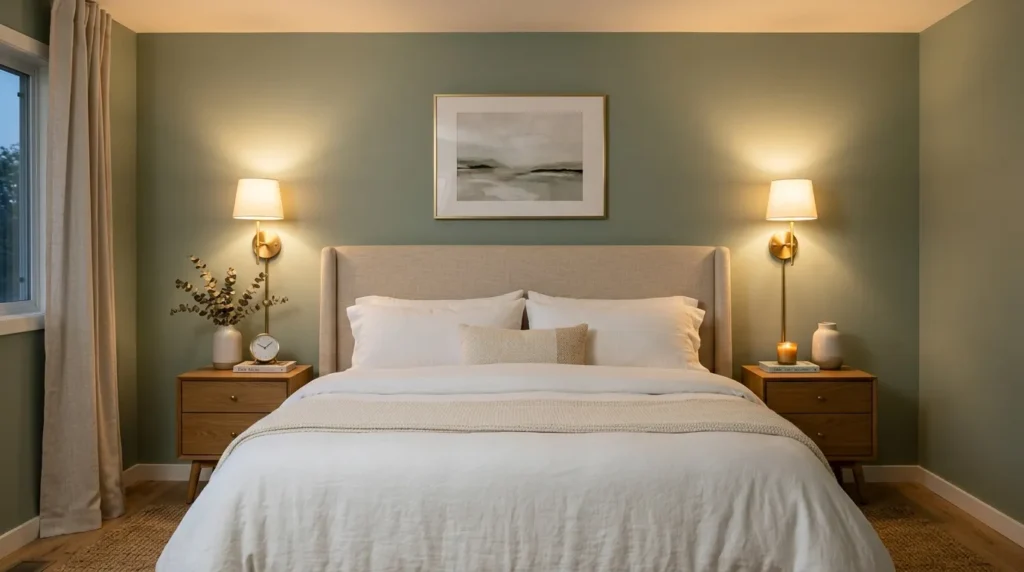
Wall sconces are having a strong moment because they add structure, glow, and style without using valuable floor or tabletop space. They work beautifully beside beds, above nightstands, next to mirrors, over built-ins, beside fireplaces, or along hallways. In smaller homes, sconces can replace bulky lamps while still giving the room a layered feel. I’ve noticed that even simple plug-in sconces can make a rental bedroom look more finished when the cord is managed neatly.
Choose the type based on your living situation. Hardwired sconces look seamless for homeowners, while plug-in and battery versions are better for renters or easy updates. Swing-arm sconces are useful for reading, while shaded sconces create softer ambient light. Place them at a comfortable height so the light does not hit your eyes directly. Match the finish to nearby hardware, such as brass, bronze, matte black, chrome, or nickel. A pair of sconces can frame furniture beautifully and make a room feel custom.
5. Stone Bases
- Adds natural texture through marble, travertine, alabaster, or ceramic
- Works on side tables, consoles, nightstands, and desks
- Makes lamps feel heavier, grounded, and more refined
- Pairs well with linen shades, wood furniture, and warm walls
- Brings quiet luxury without overly shiny decor
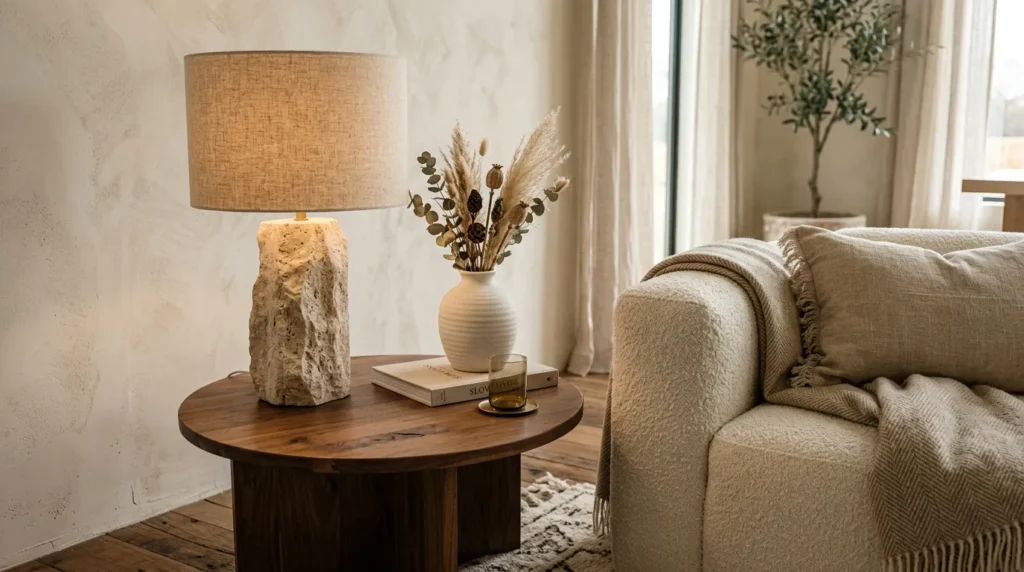
Stone and stone-look lamp bases add weight, texture, and a grounded feeling to a room. Marble, travertine, alabaster, limestone, ceramic, and plaster-style finishes are especially useful when a space needs softness but not more pattern. These materials feel elevated because they bring natural variation through veining, texture, and color. Recent lighting trend coverage points to alabaster and natural stone fixtures as part of the move toward warmer, tactile interiors.
Use stone bases where the lamp can be seen and appreciated. A travertine lamp on a nightstand, alabaster-style lamp on a console, or ceramic lamp on a side table can make the whole area feel more composed. Pair heavier bases with soft fabric shades so the look does not feel cold. If the room is small, choose one stone lamp rather than several matching pieces. This keeps the effect special. The result is calm, textural, and quietly polished without feeling too trendy or fragile.
6. Fabric Shades
- Softens bulb glare and creates a warmer glow
- Works on table lamps, floor lamps, sconces, and pendants
- Adds texture through linen, pleated cotton, silk-look, or woven fabric
- Pairs beautifully with traditional, cottage, transitional, and modern rooms
- Makes lighting feel decorative during the day
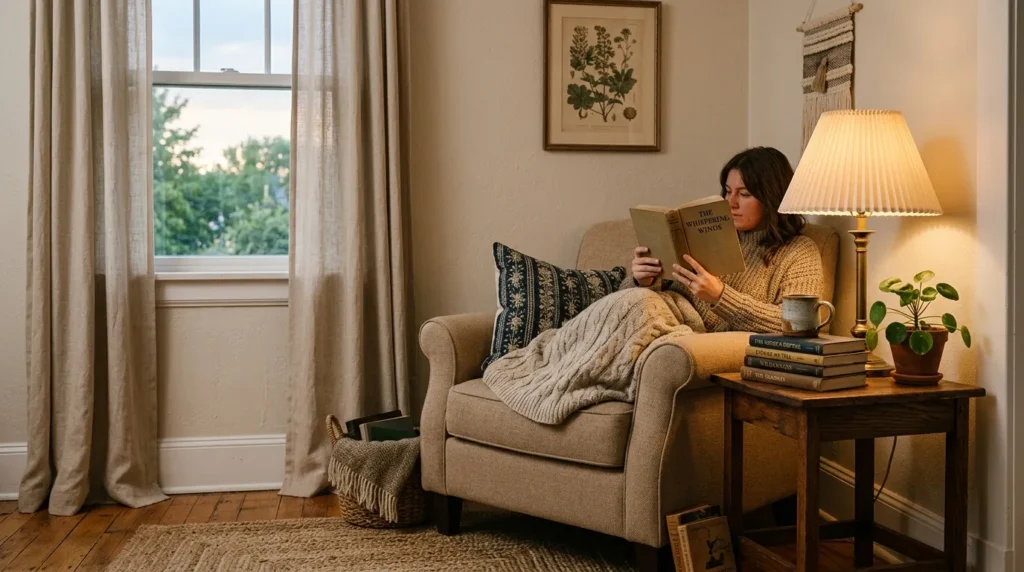
Fabric shades are returning because they make rooms feel softer and more lived-in. A plain bulb can feel harsh, but linen, pleated cotton, silk-look fabric, or woven material diffuses the light beautifully. This trend fits the broader move toward warmer, more traditional, and textural interiors, with fabric shades and softer lamp forms showing up in current 2026 design coverage. (Veranda) In my experience, shade shape can change a room as much as the lamp base itself.
Try fabric shades where you want comfort rather than sharp brightness. A pleated shade adds charm to a bedside lamp, a linen drum shade feels clean in a living room, and a gathered shade can warm up a reading corner. Keep the shade size balanced with the base so the lamp does not look top-heavy. Soft white, oatmeal, warm beige, rust, olive, or muted blue can add color gently. Fabric shades help rooms feel calm at night and decorative during the day.
7. Picture Lights
- Highlights artwork, shelves, and gallery walls
- Adds a collected, designer-style glow
- Works with plug-in, battery, and hardwired options
- Makes hallways, dining rooms, and living rooms feel finished
- Best with warm bulbs and simple placement
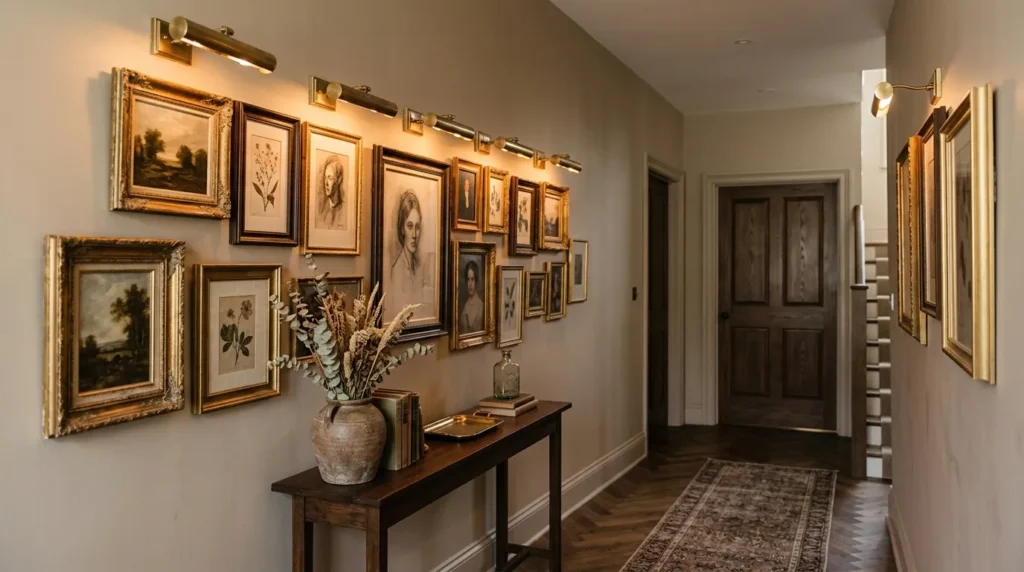
Picture lights bring attention to the parts of a room that already have personality. They can highlight framed art, gallery walls, shelves, mirrors, or built-ins while adding a warm decorative glow. This small detail often makes a room feel more thoughtful because the light is not only practical. It is guiding the eye. I’ve seen this work well in dining rooms, hallways, living rooms, and home offices where artwork needs more presence but the wall does not need more objects.
Choose picture lights based on the width of the artwork and the finish of nearby hardware. Brass feels warm and classic, bronze feels richer, black feels modern, and nickel feels clean. Battery-operated versions work well for renters or easy updates, while hardwired lights look more seamless. Keep the bulb warm and avoid overly bright glare on glass frames. A picture light can make affordable art feel special, give a hallway more mood, and add that soft layered detail people notice without knowing exactly why.
8. Smart Dimmers
- Controls brightness for different times of day
- Works with lamps, ceiling lights, sconces, and LED strips
- Helps save energy when used thoughtfully
- Creates scenes for cooking, relaxing, hosting, and bedtime
- Makes modern homes feel easier to live in
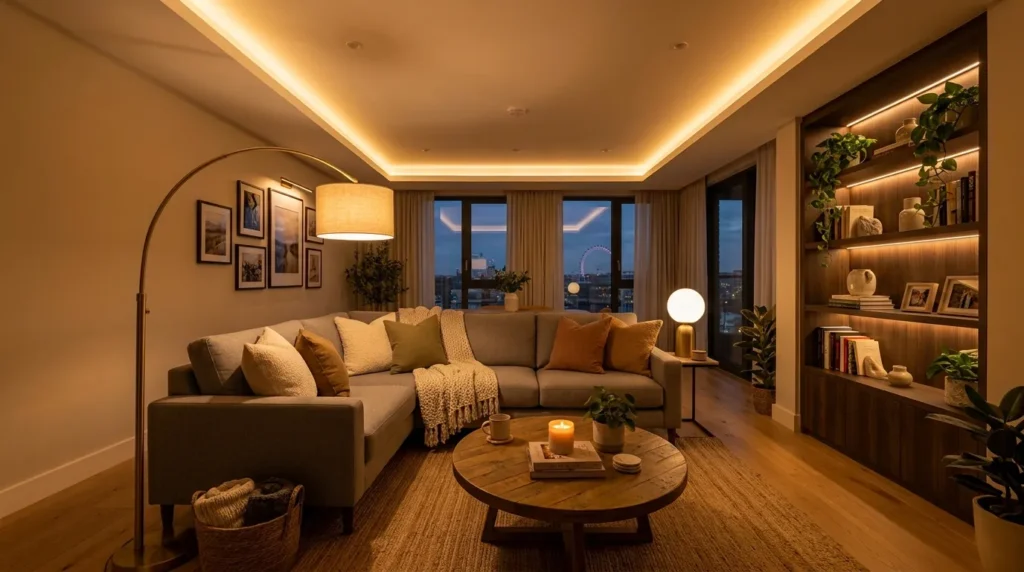
Smart dimmers are useful because lighting needs change throughout the day. A kitchen may need bright task lighting in the morning, soft glow during dinner, and low light at night. A bedroom may need reading light, dressing light, and calm evening light. Smart bulbs, dimmer switches, plug-in modules, and app-based controls make those shifts easier. Current lighting trend discussions continue to connect smart controls with flexible, livable interiors rather than purely decorative upgrades. (cityecho.co.uk)
Start with the rooms where dimming will matter most. Living rooms, bedrooms, kitchens, dining rooms, and media rooms usually benefit quickly. Create simple scenes instead of overcomplicating the setup. One bright setting, one cozy setting, and one nighttime setting may be enough. Make sure bulbs and dimmers are compatible, especially with LEDs. If you rent, use smart plugs or smart bulbs instead of changing switches. Smart dimming makes rooms more comfortable, helps reduce harsh light, and gives everyday routines a smoother rhythm.
9. Bronze Finishes
- Adds warmth without the brightness of polished brass
- Works on pendants, sconces, lamps, chandeliers, and picture lights
- Pairs well with cream, olive, rust, charcoal, walnut, and stone
- Feels classic but still current
- Great for transitional and traditional-modern homes
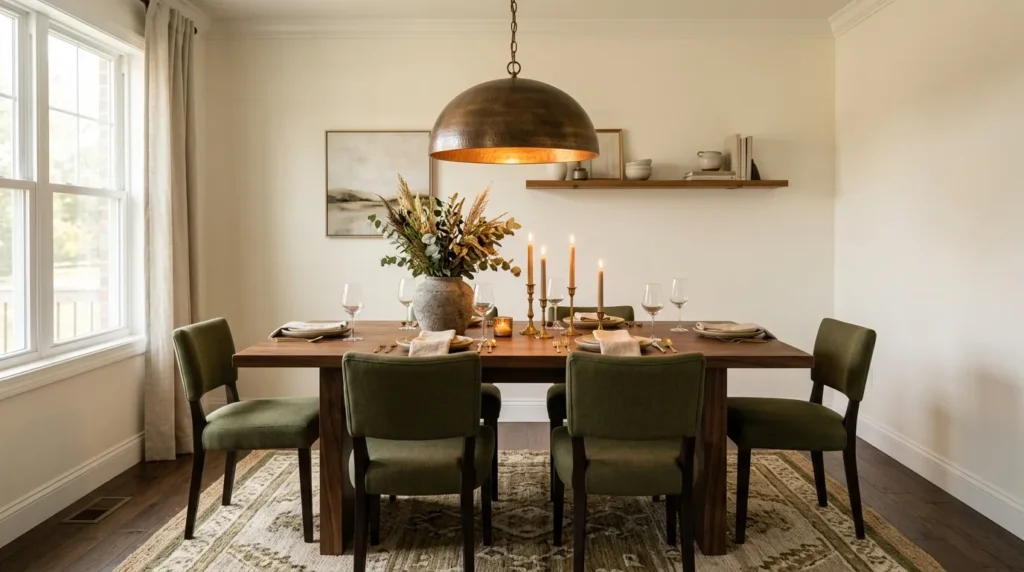
Bronze finishes are becoming more appealing because they feel warmer, deeper, and less shiny than bright brass. Oil-rubbed bronze, aged bronze, dark bronze, and soft brown metal can add character to fixtures without making the room feel overly formal. Recent interior trend coverage notes bronze as a growing finish direction, especially as warmer traditional details return. (Veranda) This finish works beautifully in homes that mix modern furniture with vintage, cottage, rustic, or classic elements.
Use bronze as a bridge between dark and warm materials. It pairs well with walnut, oak, cream walls, olive cabinets, stone counters, rust textiles, charcoal paint, and woven shades. A bronze pendant over a dining table can feel elegant, while bronze sconces beside a mirror add depth. Avoid mixing too many metal finishes in a small room unless they repeat intentionally. Bronze lighting gives rooms a grounded, collected mood. It feels current without looking like a quick trend that will disappear next season.
10. Hidden LEDs
- Adds glow under cabinets, shelves, beds, and built-ins
- Works well in kitchens, bathrooms, closets, and media rooms
- Helps highlight architectural lines and storage zones
- Keeps light sources discreet and clean
- Creates a polished look in small spaces
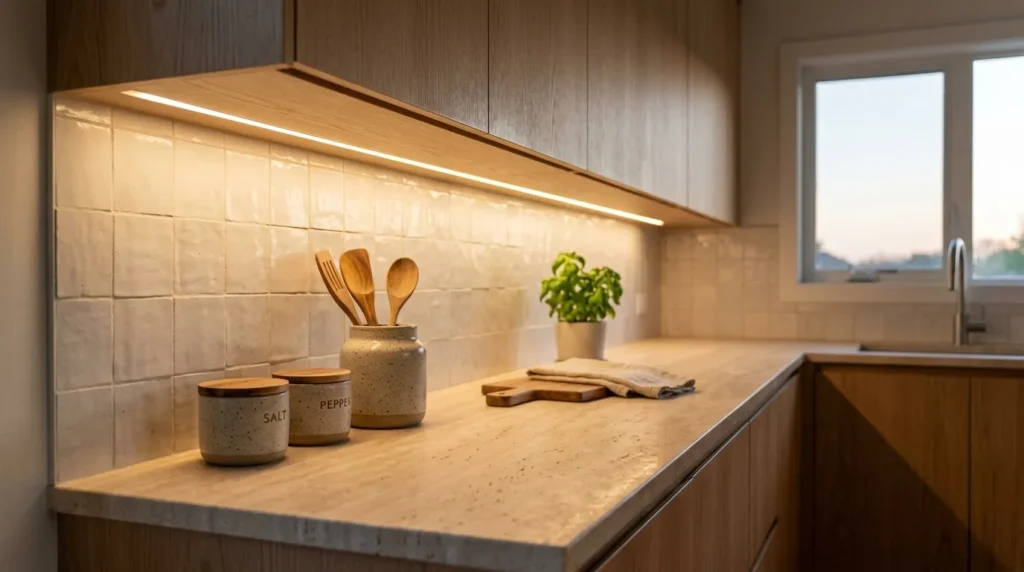
Hidden LEDs are powerful because they add light without adding visual clutter. Under-cabinet strips, shelf lighting, toe-kick lights, closet strips, and backlit mirrors can make a room feel cleaner and more modern. This type of lighting is especially useful in kitchens, bathrooms, pantries, closets, and media rooms where task visibility matters. In my experience, hidden LEDs work best when they support a real function first, then add atmosphere second. That keeps the room from feeling gimmicky.
Choose warm or neutral LED temperatures that match the rest of the room. A cool strip under warm cabinets can look harsh, while a soft warm strip feels more seamless. Use diffusers when possible to avoid visible dots of light. For renters, adhesive battery strips can work in cabinets or shelves, but make sure they remove cleanly. Hidden LEDs can make counters easier to use, shelves more dramatic, and evening rooms softer. They create a custom look without requiring every fixture to be bold.
11. Outdoor Glow
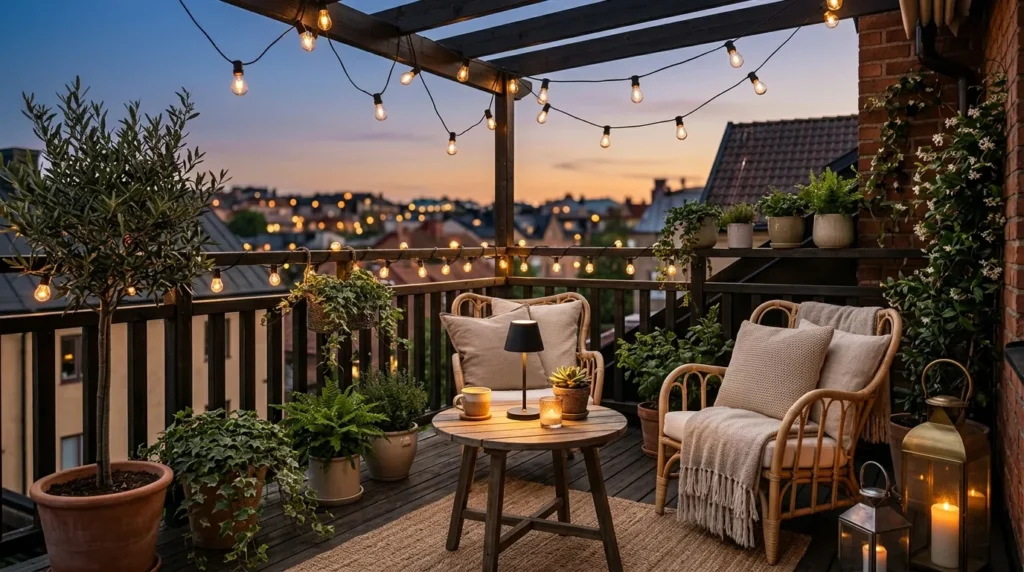
- Extends cozy lighting to patios, porches, and balconies
- Works with lanterns, string lights, sconces, and solar path lights
- Adds safety and atmosphere after sunset
- Makes outdoor spaces feel like another room
- Best with weather-rated fixtures and warm bulbs
Outdoor glow matters because patios, porches, decks, and balconies are becoming true living spaces. A few thoughtful fixtures can make an outdoor area feel usable after sunset instead of forgotten. String lights, lanterns, solar path lights, wall sconces, rechargeable table lamps, and step lights can create a soft atmosphere for dinners, reading, or weekend gatherings. Current trend coverage also highlights portable and rechargeable lighting as useful beyond interiors, especially for flexible entertaining.
Safety and weather rating should guide every outdoor choice. Use fixtures labeled for outdoor use, protect cords from water, and avoid placing lamps where wind can knock them over. Warm bulbs usually feel more inviting than bright cool ones. Layer overhead glow with table-level lighting and low path lights if space allows. On small balconies, one lantern and one string light may be enough. The goal is not to flood the space with brightness. It is to create a comfortable evening mood that feels relaxed, usable, and welcoming.