Best Shelf Spacing for Storing Ankle Boots vs Knee-High Boots
Determining the best shelf spacing for storing ankle boots vs knee-high boots is the primary hurdle in creating a functional closet. Most standard shoe racks fail because they treat all footwear as uniform, leading to squashed shafts and wasted vertical space. For ankle boots, you generally need between 8 to 10 inches of clearance, while knee-high versions require at least 18 to 20 inches to prevent creasing.
By tailoring your vertical intervals, you maximize your storage capacity while keeping your footwear in pristine condition for the upcoming season. Understanding these specific measurements ensures your closet remains organized and your boots stay upright, ready for wear without unsightly folds.
Standard Vertical Clearance Requirements
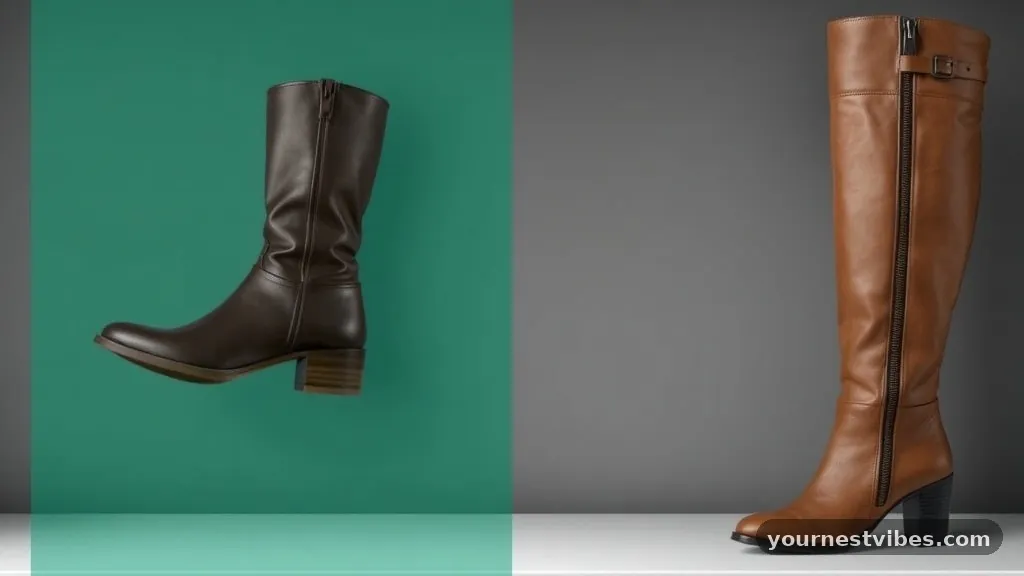
The fundamental rule for footwear storage is to provide enough height so the material does not hit the shelf above. Ankle boots are the easiest to manage, typically standing between 5 and 7 inches tall.
To allow for easy retrieval, you should allocate 8 to 10 inches of vertical space for this category. This gap provides enough “breathing room” to slide your hand in and pull the pair out without scuffing the leather or suede.
Knee-high boots are a different matter entirely, as their shafts often extend 15 to 18 inches from the base. You should plan for a minimum of 18 to 20 inches of clearance if you intend to store them upright.
If you force these into a 12-inch space, you will inevitably cause permanent creases in the material. Over time, these folds become brittle and can crack, especially in genuine leather or faux-suede materials.
Adjustable shelving is the most effective way to handle these varying requirements. If your closet uses a track-based system, you can move pins to create a 9-inch zone for your ankle boots and a 19-inch zone for your taller pairs.
This flexibility allows you to adapt as your collection changes or as you transition from summer to winter footwear. If your shelves are fixed, prioritize the bottom level for your tallest boots, as these locations naturally offer more vertical depth.
Protecting Material Integrity During Storage
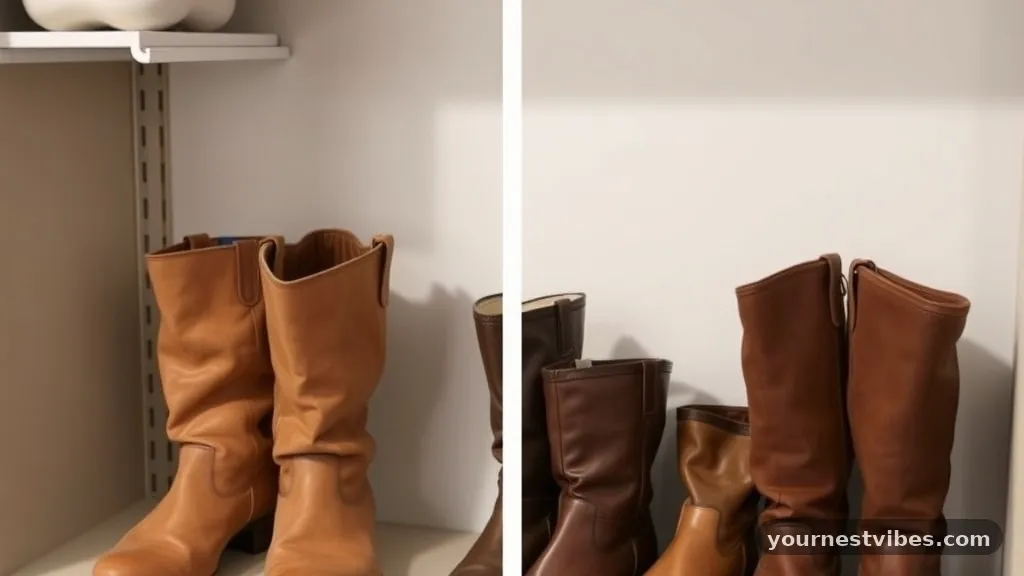
Storing boots isn’t just about finding the right height; it’s about maintaining the shape of the upper. When you leave boots to lean over, the structural integrity of the ankle or the shaft begins to fail.
This is particularly problematic for tall, slouchy boots that lack internal support. For those who want to keep their footwear in top condition, utilizing boot shapers or inserts is essential.
These tools fill the volume of the boot, preventing the material from collapsing inward while sitting on the shelf. If you don’t have dedicated shapers, you can use rolled-up magazines or clean pool noodles to achieve a similar result.
By keeping the shaft upright, you reduce the physical stress on the material. This simple step complements your choice of shelf spacing by ensuring the boots don’t “grow” in height due to slouching.
Moisture control is another critical factor when storing boots in a closed environment. If your closet is located in a humid area, such as near a bathroom or in a basement, consider using silica gel packets inside the boots.
You can also visit the Environmental Protection Agency’s guidance on managing home moisture to ensure your closet environment doesn’t promote mold or mildew growth. Proper airflow between your boots and the shelf surface helps keep the materials dry and odor-free.
Maximizing Closet Efficiency with Layout
Organizing your closet effectively involves grouping your footwear by both height and frequency of use. Place your most-worn pairs at eye level or within easy reach to minimize the time spent searching for your favorite shoes.
Less frequently used items, such as heavy-duty winter boots, should go on the very top or bottom shelves. This tiered approach turns your storage area into a curated display rather than a cluttered pile.
When considering the best shelf spacing for storing ankle boots vs knee-high boots, you must also account for the depth of the shelf. Standard bedroom closets are usually 24 inches deep, which is plenty for most footwear.
However, if you have limited horizontal width, you might need to store boots sideways to fit more pairs per row. This orientation works well for ankle boots but is often impractical for tall boots, which require more surface area to remain stable.
To optimize your space, consider the following layout strategies:
- Dedicate a specific “boot zone” on the bottom shelf to handle the weight and height of knee-high pairs.
- Use clear acrylic dividers to keep ankle boots from tipping over into one another.
- Install pull-out trays if your shelf depth is excessive, allowing you to access the back row without removing the front.
- Rotate your inventory seasonally to keep the most relevant footwear at the easiest reach.
Comparison of Storage Dimensions
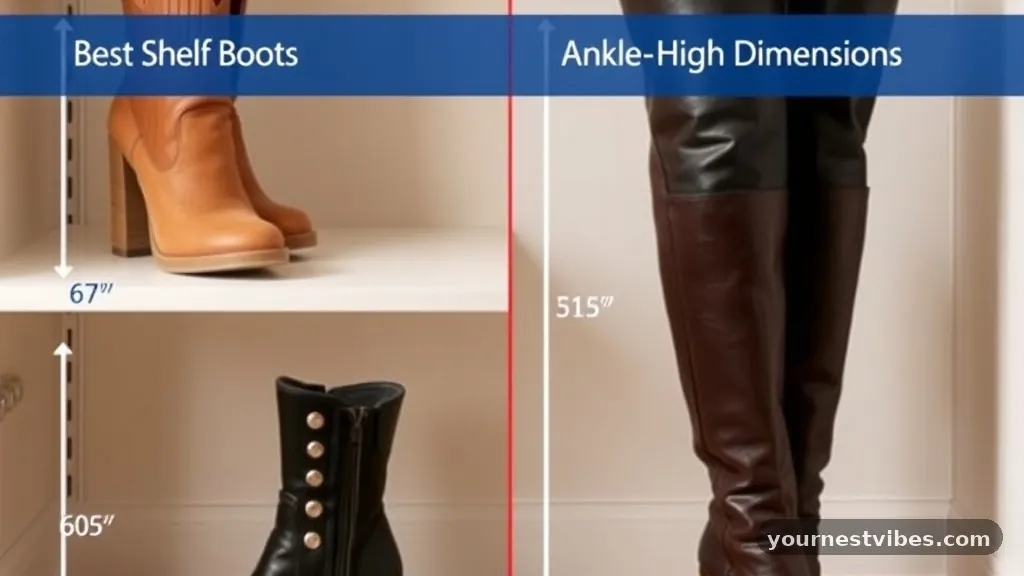
It helps to visualize the differences in required space when planning your custom shelving. The table below outlines the necessary clearance and floor area for common boot types. These figures represent the minimum space required to store the items safely without bending or crushing the material.
| Boot Category | Vertical Clearance Needed | Typical Depth Required |
|---|---|---|
| Ankle Boots | 8″ – 10″ | 10″ – 12″ |
| Mid-Calf Boots | 12″ – 15″ | 10″ – 12″ |
| Knee-High Boots | 18″ – 20″ | 12″ – 14″ |
| Over-the-Knee Boots | 22″ – 26″ | 14″ – 16″ |
Choosing the Right Storage Hardware
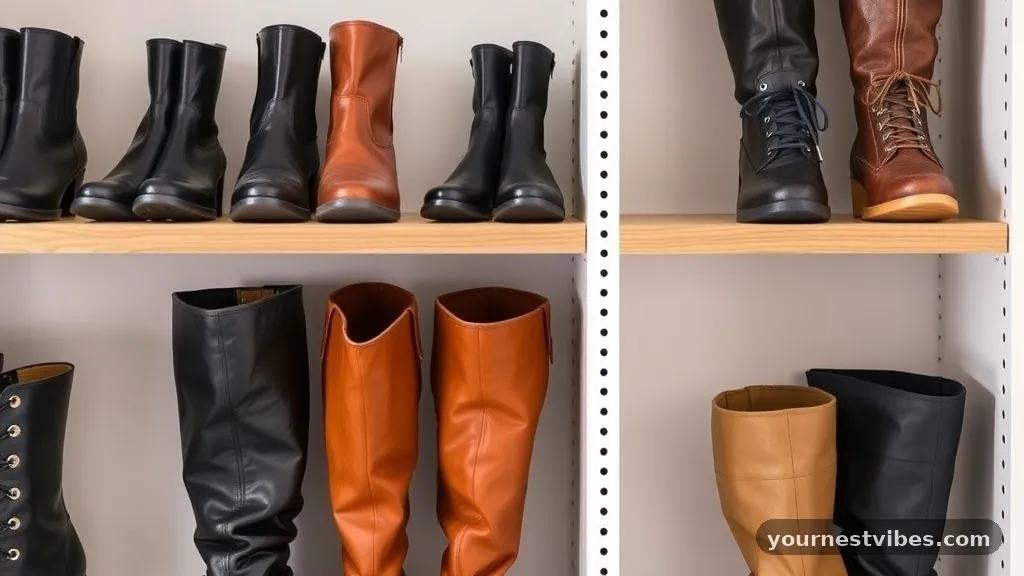
The hardware you choose for your closet can dictate how well your storage plan holds up over time. Heavy-duty shelves are recommended for boots, especially if you have a large collection, as the combined weight of several pairs of leather boots can cause thinner boards to sag. Avoid plastic shelving if you live in a climate with extreme temperature fluctuations, as the material can become brittle and crack under the load.
Metal wire racks are a popular choice for their durability, but they can be problematic for boots with thin heels. If you use wire shelving, place a solid shelf liner or a piece of acrylic on top of the wire.
This creates a flat, stable surface that won’t mark up the soles or heels of your footwear. It also prevents the “wobble” that often occurs when a boot heel gets stuck between two wires.
Consider adding dedicated boot stands if your closet space allows for them. These stands hold the boots upside down, which is an excellent way to maintain the shape of the shaft without needing inserts.
This method also keeps the soles off the shelf, which can be useful if you’ve been walking in wet or muddy conditions. Just ensure the shelf above is high enough to accommodate the inverted boots.
Addressing Challenges with Small Closets
If you are working with a cramped bedroom closet, you have to be more creative with your vertical space. One common mistake is neglecting the “dead space” above your hanging clothes.
By installing a shelf above your main clothing rod, you can create a dedicated area for seasonal boot storage. This keeps your floor clear and utilizes space that often goes to waste.
Another option is to use an over-the-door organizer for your ankle boots. While these are not suitable for tall, heavy knee-high boots, they are perfect for maximizing space for smaller, lighter footwear.
This frees up your main shelves to focus on the taller pairs that require more height. You can also use under-bed storage bins for off-season boots, provided you use breathable fabric bags to prevent dust accumulation.
Always remember that visibility is key to a functional closet. If you can’t see a pair of boots, you are far less likely to wear them.
Use transparent bins or an open shelving system whenever possible. If you must use opaque boxes, label them clearly with a photo or a description so you can locate the right pair without having to open every single container.
Maintenance and Long-Term Care
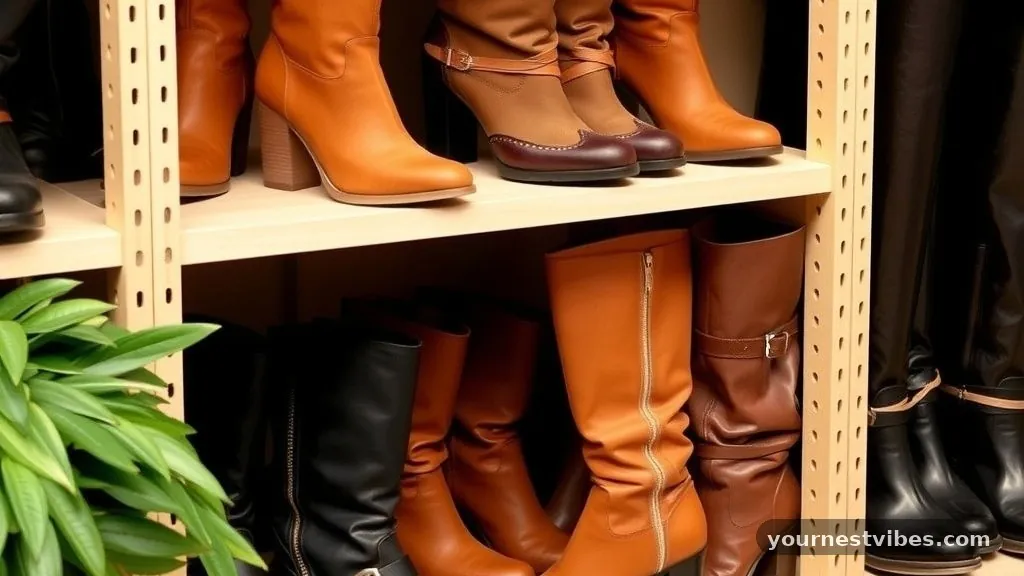
Once you have established the best shelf spacing for storing ankle boots vs knee-high boots, maintenance becomes the final piece of the puzzle. Regular cleaning before storage is vital.
Dirt and salt from winter streets can degrade leather and fabric over time if left on the surface. Wipe down your boots with a damp cloth and let them air dry completely before placing them on their designated shelf.
If you are storing boots for several months, consider using cedar shoe trees. These not only help maintain the shape of the boot but also absorb residual moisture and leave a pleasant scent.
They are particularly effective for leather boots, as they help prevent the material from drying out and cracking. Avoid using plastic bags for long-term storage, as these trap moisture and can lead to mold growth.
Check your boot collection every few months to ensure the shelves haven’t become cluttered. It is easy to let “temporary” storage turn into a permanent mess.
If you find yourself struggling to keep the boots upright, revisit your inserts or shapers. A well-maintained closet protects your investment and ensures your footwear lasts for years rather than just a single season.
Common Questions About Boot Storage
How do I store knee-high boots if I don’t have enough vertical shelf space?
If your shelves are fixed and too short, the best alternative is to store your knee-high boots on their side. Lay them flat on a shelf, ensuring they are not compressed by other items. Use acid-free tissue paper to stuff the shafts, which helps maintain their shape and prevents the material from creasing while lying flat.
Can I stack ankle boots on top of each other to save space?
It is generally not recommended to stack boots directly on top of each other. The weight of the top boot can cause pressure marks or deform the material of the bottom boot. If you must stack them, use a shelf divider or a small plastic riser to create a separate level for each pair.
What is the best way to handle suede boots in storage?
Suede is particularly sensitive to moisture and dust. Always store suede boots in a cool, dry place away from direct sunlight, which can fade the color. Use a soft-bristled brush to remove any dust before storing them, and ensure they are upright to avoid flattening the nap of the material.
How often should I rotate my stored boots?
Rotate your boots at the start of every season. When you switch from summer to winter, inspect every pair for signs of wear, clean them, and apply a conditioning treatment to leather items. This is also the perfect time to reorganize your shelves based on the new footwear you are bringing into your rotation.
Is it okay to store boots in their original boxes?
Storing boots in their original boxes is excellent for protection against dust and light. However, it makes it difficult to see what you have, and the boxes can take up a significant amount of space. If you choose this route, be sure to label the outside of each box clearly to avoid constant digging.
Optimizing Your Footwear Storage
Achieving the best shelf spacing for storing ankle boots vs knee-high boots transforms your daily routine. By respecting the physical dimensions of your footwear, you prevent damage, extend the life of your materials, and create a more efficient, accessible space. Remember that flexibility is your greatest asset; modular shelving or adjustable hardware will serve you better in the long run than fixed, static layouts.
Taking the time to implement these small changes—using proper inserts, maintaining consistent vertical clearance, and keeping your closet environment clean—will pay off every time you get dressed. You will no longer have to deal with crushed shafts or scuffed leather, and your favorite pairs will remain ready for action. Start by measuring your tallest boots today and adjust your closet layout to ensure each pair has the room it needs to stay in perfect condition.