Top 10 Creative Ideas: Do Balcony Plant Decor
Introduction
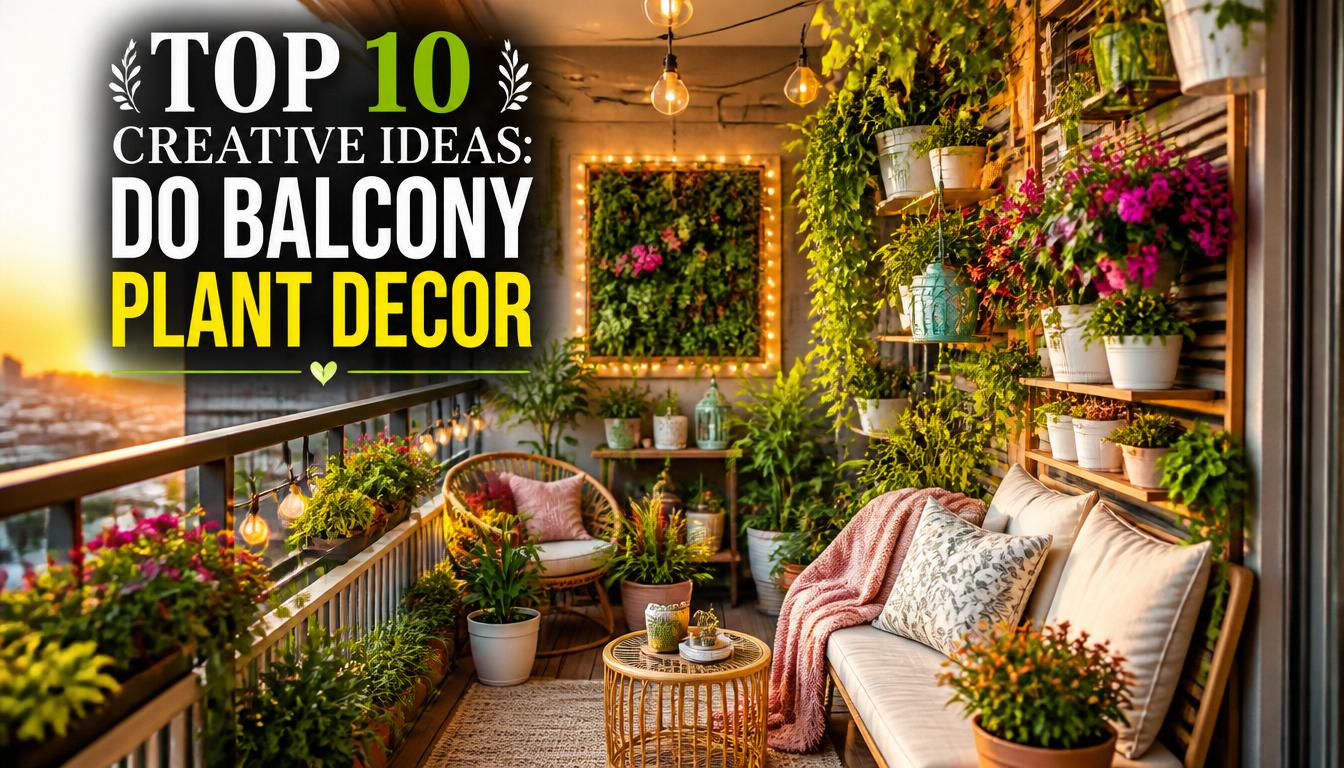
A balcony can transform from a small, overlooked outdoor space into a vibrant, relaxing mini-garden with the right plant decor. For many urban U.S. apartments, limited space often means people feel confined and disconnected from nature. Introducing plants creates visual interest, provides privacy, and establishes a personal retreat. Beyond beauty, balcony greenery supports relaxation, air quality, and even mental well-being.
These Creative Ideas focus on maximizing small balcony areas while keeping decor stylish, practical, and Pinterest-ready. From hanging gardens and vertical walls to mini herb corners and tiered plant displays, each concept adds dimension, texture, and usability to your outdoor space.
1. Vertical Plant Wall
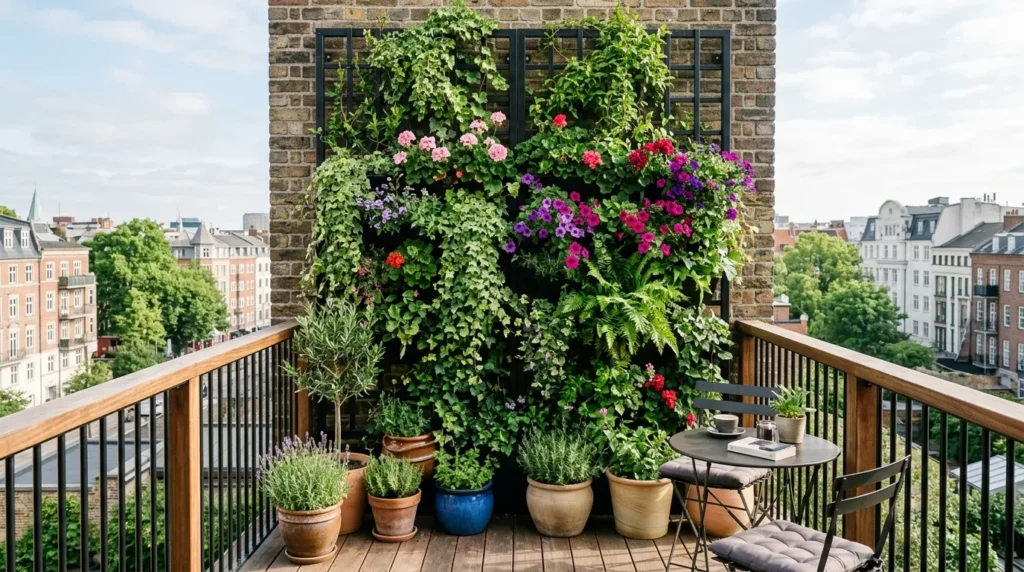
- Optimizes wall space in small balconies.
- Works with modular planters, trellises, or wall pockets.
- Ideal for trailing plants and flowers.
- Creates privacy and layered greenery.
- Adds a modern, visually striking element.
A vertical plant wall transforms limited balcony space into a lush green focal point. Trailing ivy, flowering vines, or ferns can cascade naturally, filling an empty wall and creating depth. In my experience, these walls make small balconies feel larger because the eye moves upward along the greenery. Modular planters and trellises allow customization by height and plant type. The structure also gives easy access for watering and maintenance, ensuring plants thrive while the layout stays organized.
This design elevates a bare wall into a living feature that provides privacy and aesthetic appeal. Position the wall where it can receive adequate sunlight, and select lightweight planters for balconies with weight restrictions. Combining trailing plants with upright varieties creates dynamic visual contrast. The result feels sophisticated, functional, and Pinterest-ready, turning a minimal balcony into a cozy urban oasis.
2. Hanging Basket Array
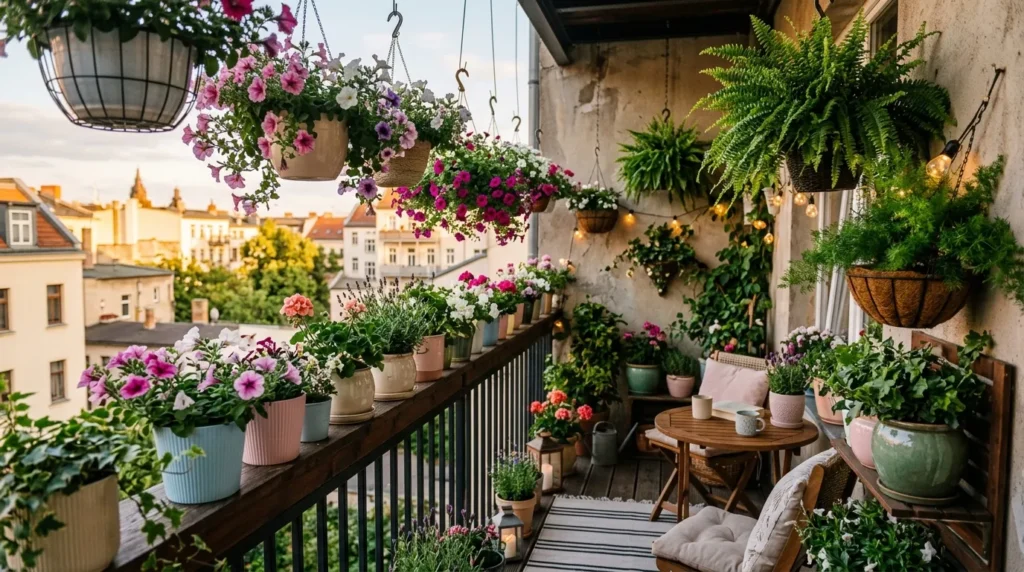
- Adds greenery without using floor space.
- Works with hooks, ceiling rails, or balcony railings.
- Ideal for petunias, ferns, or trailing herbs.
- Creates depth and layered greenery.
- Enhances airflow and sunlight exposure.
Hanging baskets introduce vertical interest and allow plants to thrive without taking up the limited floor area. Grouping baskets at different heights creates a cascading effect that feels natural and visually engaging. I’ve noticed that clusters of baskets make balconies feel lush and dynamic. Using lightweight containers, secure hooks, or railing mounts ensures safety and durability. Plants like trailing ivy, petunias, or small herbs add both greenery and color, while enhancing the balcony’s texture and style.
The transformation lies in the visual layering and practical design. Position hanging baskets near sunlight, but avoid obstructing seating or walkways. Grouping plants by size and color creates cohesion and depth. Lightweight liners or self-watering inserts reduce maintenance while keeping soil hydrated. With proper planning, hanging baskets provide a vibrant, Pinterest-worthy feature that elevates both the look and usability of a small balcony.
3. Tiered Planter Stand
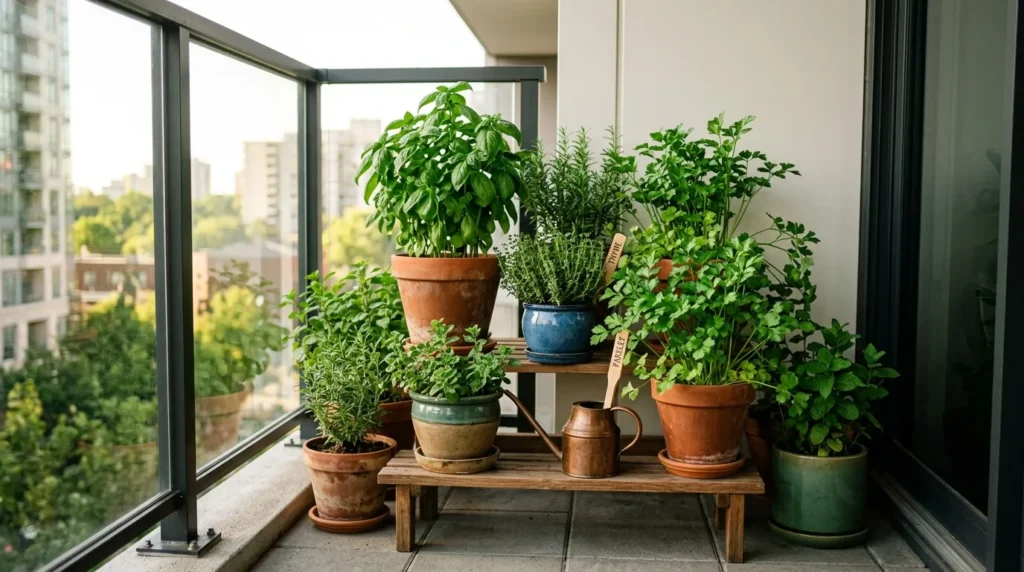
- Maximizes vertical space efficiently.
- Works with metal, wood, or composite shelving.
- Ideal for herbs, flowers, or succulents.
- Creates visual height and layered textures.
- Adds focal points without cluttering the floor.
Tiered planter stands allow multiple plants to occupy one compact area, adding dimension and visual variety. Different levels create a sense of height and make small balconies appear more organized. In my experience, tiered stands are excellent for arranging herbs, flowering plants, and succulents together in a cohesive display. This arrangement enhances accessibility, allowing easy watering, pruning, and harvesting without crowding the space. Lightweight construction ensures the stand remains stable and safe on narrow balcony floors.
The result is a dynamic, structured display that draws attention upward while leaving open space for movement. Position taller plants at the back or center, with shorter ones cascading outward. Consider combining flowering and foliage plants for contrasting colors and textures. Regular rotation ensures even sunlight exposure, keeping all plants healthy. The tiered design transforms a small balcony corner into a curated, Pinterest-ready garden feature.
4. Potted Herb Corner
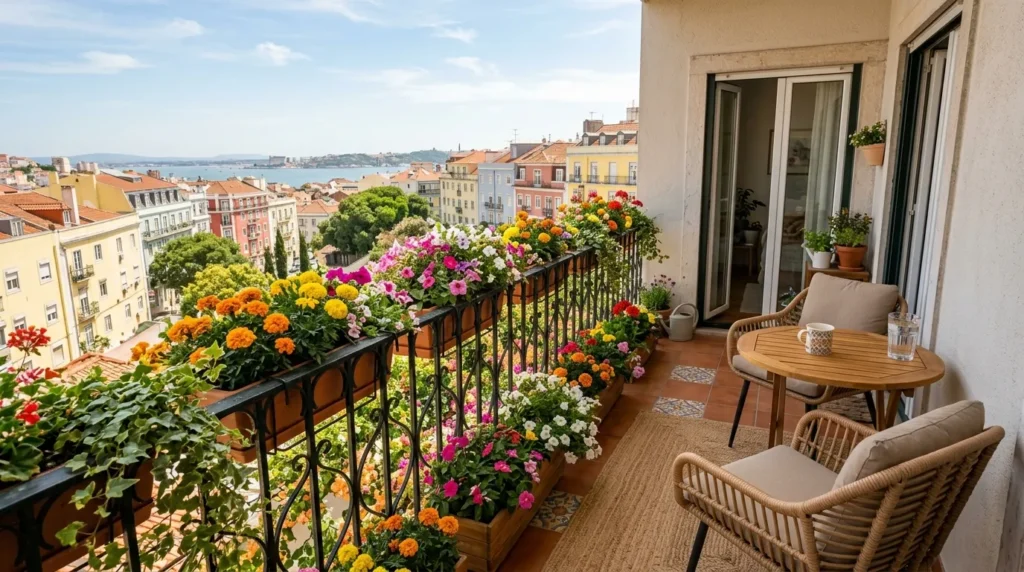
- Provides edible greenery and fragrance.
- Works with small pots or tiered arrangements.
- Ideal for basil, thyme, mint, and parsley.
- Combines practicality with greenery aesthetics.
- Enhances accessibility for cooking.
A potted herb corner transforms a balcony into a functional and attractive mini-garden. Herbs offer freshness, fragrance, and practicality for cooking, while creating a visual focal point. In my experience, clustering herb pots together optimizes sunlight exposure and keeps the balcony neat. Using small planters or tiered shelves allows you to grow multiple herbs even on compact balconies. Selecting fragrant or flowering herbs like thyme or basil also adds sensory appeal, improving both the balcony’s look and atmosphere.
This idea balances practicality with aesthetic charm. Position herbs near the kitchen door if possible for convenient harvest. Arrange pots by height for depth and variety. Ensure proper drainage to prevent root rot and maintain soil health. Adding decorative stones or moss enhances visual appeal. This corner becomes a functional and beautiful feature, ideal for cooking, sensory enjoyment, and Pinterest-style visual impact.
5. Mini Succulent Garden
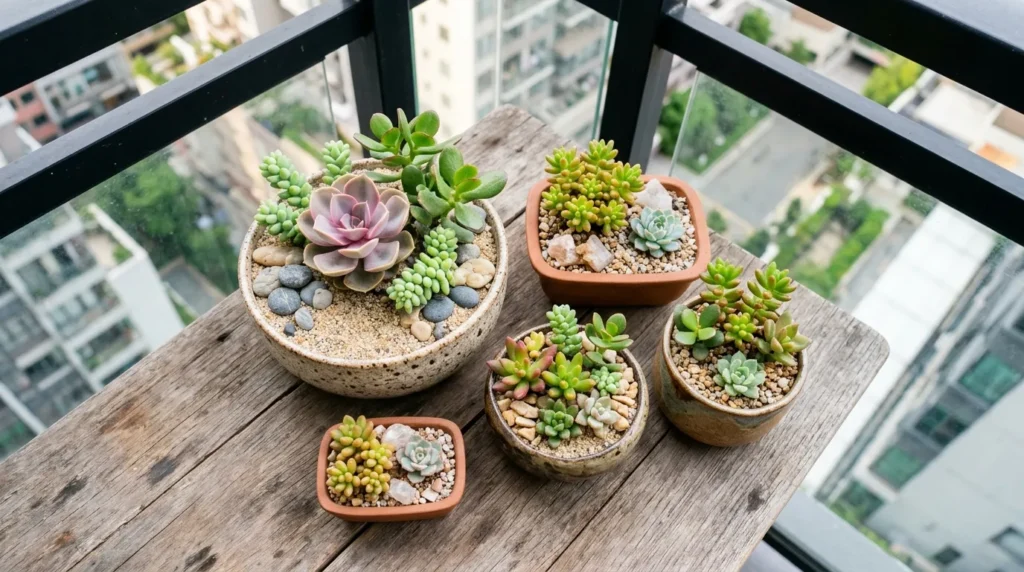
- Low-maintenance greenery perfect for busy lifestyles.
- Works in shallow containers, trays, or terrariums.
- Uses echeveria, jade, aloe, and sedum varieties.
- Adds texture, color, and modern simplicity.
- Ideal for small balconies with partial sunlight.
A mini succulent garden brings texture, color, and modern aesthetic to balconies with minimal care. Succulents thrive in shallow containers and require less water than traditional plants, making them ideal for busy lifestyles. I’ve noticed that grouping succulents of different sizes and colors adds visual layering, enhancing the balcony’s overall appeal. Placing them in trays, shallow pots, or terrariums allows for flexible arrangements, maximizing the use of limited space while creating a cohesive design.
The transformation is both functional and visual. Arrange taller and spiky varieties at the back, with trailing or round ones at the front. Add decorative pebbles or sand for contrast and drainage. Ensure sufficient sunlight to maintain color vibrancy and health. This low-maintenance setup creates a structured, modern, and Pinterest-worthy corner that enhances balcony aesthetics without overwhelming the space.
6. Climbing Vine Trellis
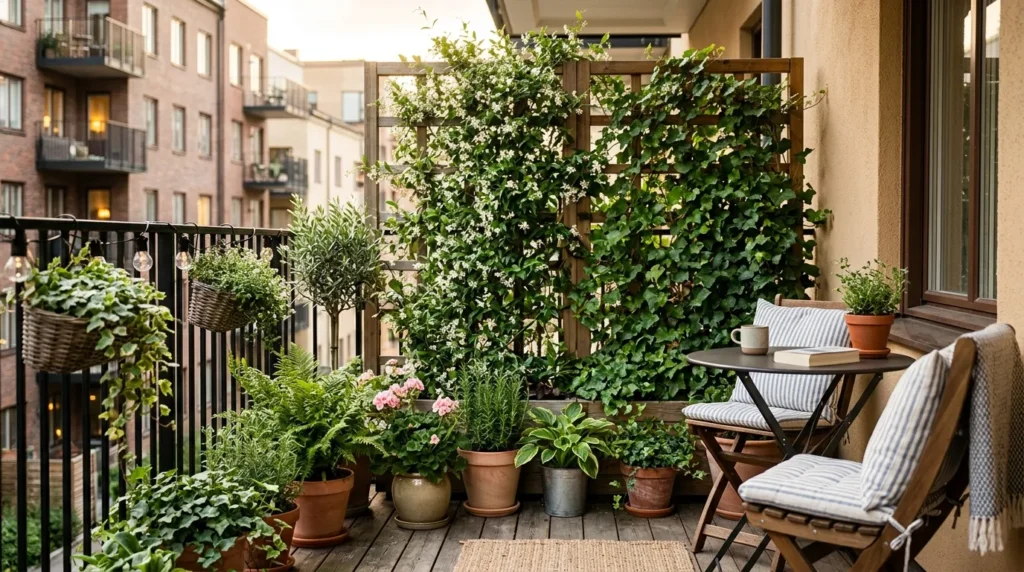
- Adds height and privacy for urban balconies.
- Works with wooden or metal trellises.
- Ideal for jasmine, ivy, morning glory, or clematis.
- Softens railings and building edges.
- Provides natural shade and visual interest.
A climbing vine trellis transforms vertical balcony surfaces into lush, living features. Vines create privacy, shade, and dynamic visual interest, particularly in urban settings. I’ve found that trellises soften harsh railing lines while adding a layered natural look. Wooden or metal trellises support flowering vines or leafy plants, which cascade or climb upward, making the balcony feel enclosed yet airy. This method is practical for maximizing small spaces while maintaining a high aesthetic appeal.
The design elevates a basic balcony wall into a structured, green focal point. Choose vines suited to your climate and light conditions. Position planters at the base with proper drainage and soil depth. Prune regularly to control growth and encourage density. This approach provides privacy from neighbors, creates a vertical garden, and visually enlarges the balcony. It’s an ideal Pinterest-ready solution for stylish, layered balcony greenery.
7. Hanging Herb Rail
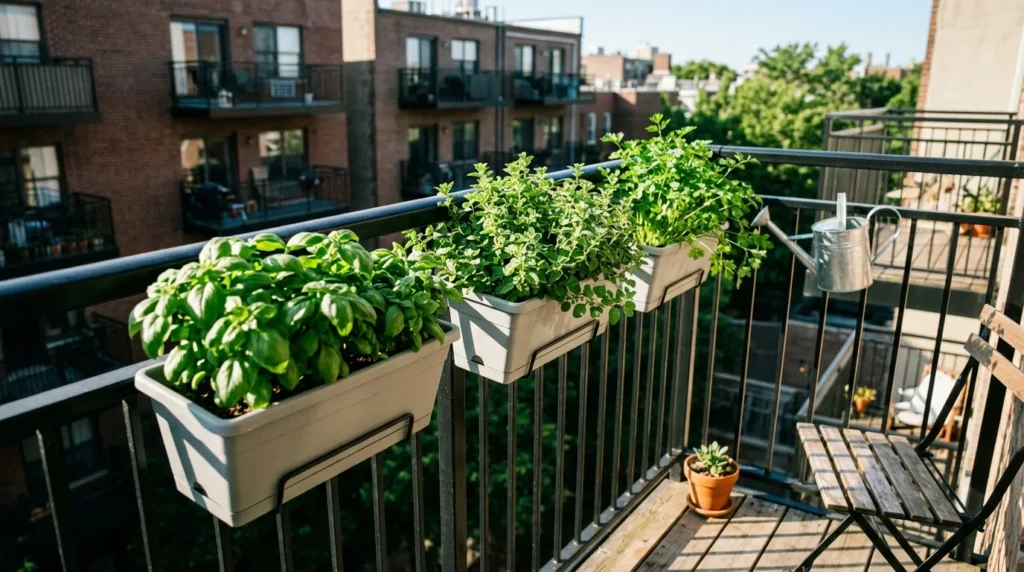
- Maximizes railing space for functional plants.
- Works with clip-on pots or small hanging baskets.
- Ideal for basil, oregano, parsley, or flowers.
- Keeps floor space free while adding greenery.
- Enhances visual layering and accessibility.
A hanging herb rail turns balcony railings into productive planting zones without occupying floor space. This Creative Idea allows herbs or small flowers to thrive while remaining accessible for use in cooking or decoration. I’ve noticed that rail-mounted plants add vertical visual interest and make the balcony feel fuller and more curated. Lightweight containers, secure clips, and proper sunlight orientation ensure safety and plant health. The rail also visually delineates the space, giving a modern and organized aesthetic.
The result is a practical, stylish, and space-efficient garden. Arrange herbs by height or growth habit, ensuring the trailing varieties cascade naturally. Rotate containers occasionally for even sunlight exposure. Incorporate colorful flowers for contrast. This design maximizes greenery in narrow urban balconies, maintains functionality for everyday use, and creates a visually layered Pinterest-worthy effect that feels intentional and charming.
8. Tiered Hanging Pots
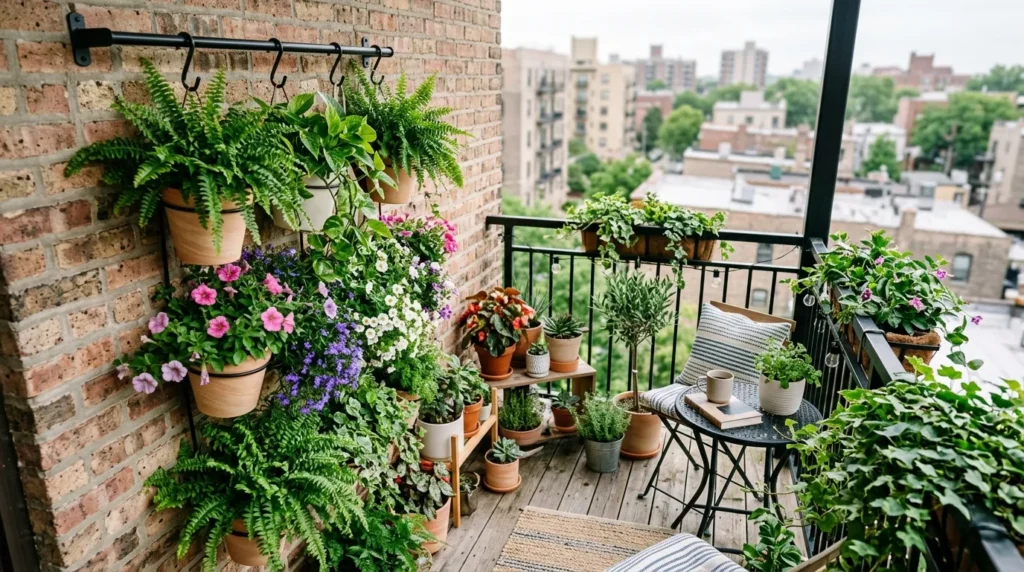
- Combines vertical space with decorative flair.
- Works with cascading flower or foliage plants.
- Uses metal chains, ceiling hooks, or bracket mounts.
- Ideal for small spaces where floor is limited.
- Enhances depth and lushness.
Tiered hanging pots add vertical dimension and a lush visual impact to compact balconies. This arrangement allows cascading plants, such as ferns or trailing flowers, to occupy multiple layers without cluttering floor space. I’ve seen that this setup creates a visually rich, Pinterest-ready environment while improving air circulation and sunlight exposure for each plant. Hanging pots also make maintenance easier, as each layer is individually accessible. Proper weight distribution ensures stability and safety on balcony railings or ceilings.
The transformation occurs through layered greenery that adds depth, texture, and dynamic appeal. Arrange plants in graduated heights with trailing varieties on the lowest level. Secure chains or mounts properly and use lightweight pots. Add accent stones or moss to enhance aesthetic value. This tiered system creates a modern, green oasis, visually enlarging the balcony while keeping it organized, functional, and stylish for everyday enjoyment.
9. Corner Plant Clusters
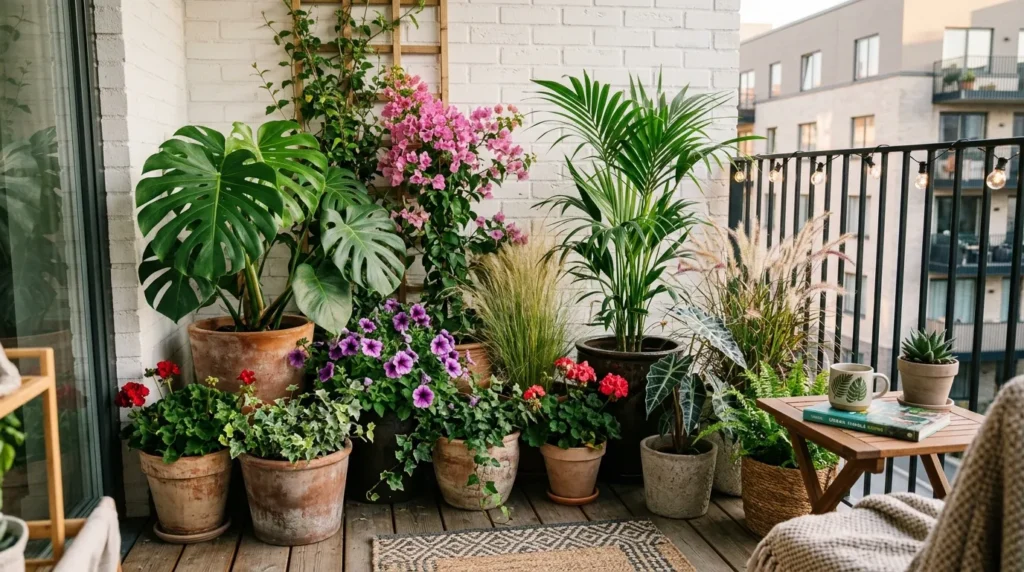
- Creates visual interest in underutilized spaces.
- Works with large pots, grouping similar or contrasting plants.
- Ideal for tropical foliage, flowering plants, or ornamental grasses.
- Provides a lush focal point in small balconies.
- Enhances depth and balance.
Corner plant clusters transform empty balcony corners into dense, attractive mini-gardens. Grouping several large pots with complementary or contrasting plants creates depth, texture, and visual impact. In my experience, clusters provide a natural balance, softening hard corners and making balconies feel more curated. The combination of foliage types—tall, short, flowering, or leafy—adds interest and ensures the space remains engaging year-round.
This setup draws the eye to the corner, providing a natural focal point. Arrange pots with staggered heights, colors, and textures for a layered effect. Include self-watering inserts or drainage trays for maintenance. Use decorative stones or small sculptures for additional visual impact. The balcony transforms from a neglected corner into a curated, Pinterest-worthy plant display that maximizes greenery while maintaining functional floor space.
10. Balcony Green Canopy
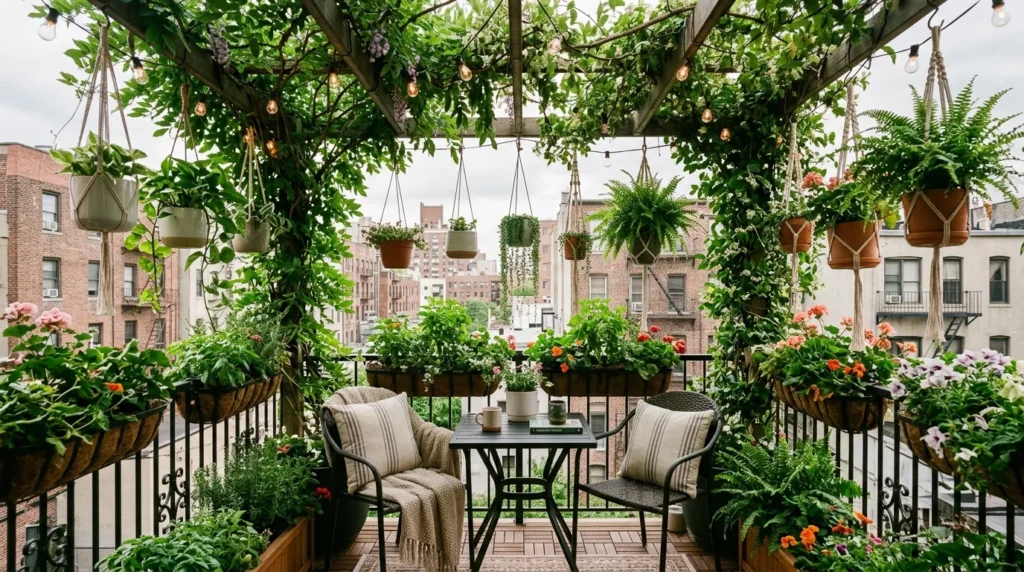
- Uses overhead space for foliage and shade.
- Works with climbing vines, hanging plants, or suspended planters.
- Ideal for creating a cozy, sheltered balcony feel.
- Adds height and layered greenery.
- Enhances privacy and natural aesthetic.
A balcony green canopy turns the overhead area into a lush, protective layer, making the space feel intimate, private, and visually rich. Hanging planters or climbing vines create shade and depth while drawing the eye upward. In my experience, balconies with overhead greenery feel more enclosed and calming, like a mini urban oasis. Suspended plants also free floor space, keeping the balcony open for seating, walking, or decorative elements. Proper mounting ensures safety and stability for both plants and residents.
The canopy transforms a simple balcony into a layered garden experience. Arrange hanging pots or trellises strategically for light exposure and airflow. Combine flowering plants with foliage for visual variety. Maintain height balance so taller plants don’t obstruct views or seating. This approach maximizes vertical space, enhances privacy, and creates a serene Pinterest-style balcony garden that is both functional and visually inspiring.