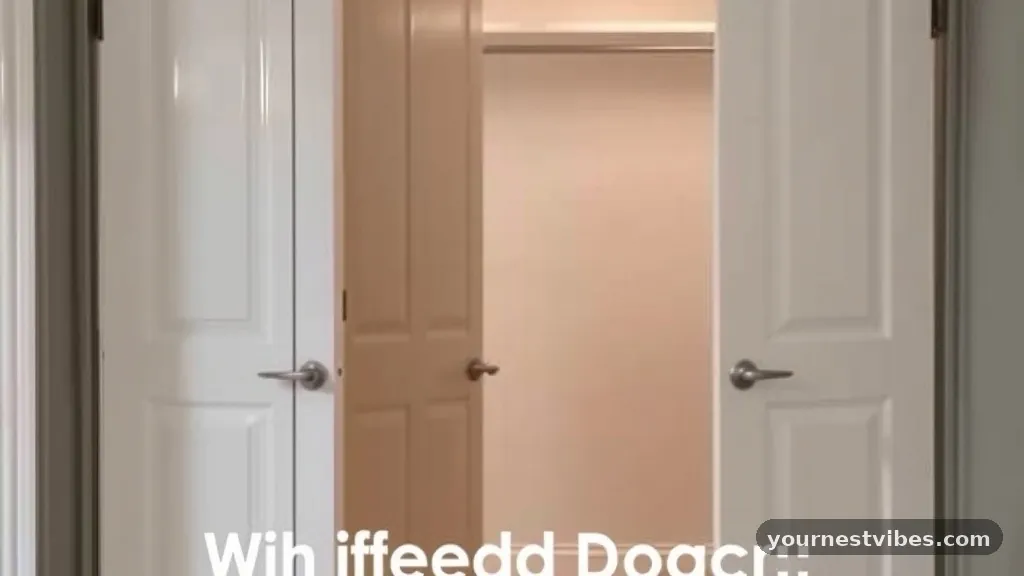
How to Fix Bi-Fold Closet Doors That Keep Slipping Off the Top Track
If you are currently struggling with fixing Bi-Fold Closet Doors That Keep Slipping Off the Top Track, the most immediate solution is to inspect the top pivot pin and the alignment of the guide wheel. Often, these doors fall because the top pivot bracket has shifted or the spring-loaded pin has lost its tension.
By loosening the adjustment screws on the top bracket and sliding it back into the correct position, you can usually restore the door‘s stability within minutes. This guide provides the practical steps needed to resolve these mechanical failures, ensuring your closet doors operate smoothly without constantly jumping out of their tracks.
Immediate Fixes for a Slipping Door

When a bifold door repeatedly jumps off the track, the culprit is almost always a lack of engagement between the hardware and the metal channel. You should start by examining the top pivot pin, which is the metal post that sits in the track at the top corner of the door. If this pin is not fully seated inside the track, the door will sway and eventually fall whenever you pull it open.
Use a stepladder to get a clear view of the top track. Check if the pivot pin has slipped out of the plastic or metal guide bracket.
If the pin is bent or the plastic housing is cracked, it won’t hold the weight of the door, and no amount of alignment will keep it in place. You will need to replace the damaged pivot hardware if it appears compromised.
Another common issue involves the guide wheel, which sits in the middle or end of the top track. If the wheel is worn down or the track itself has become clogged with dust and debris, the wheel will lose its grip.
Clean the track thoroughly with a damp cloth and a mild degreaser. Once the track is clean, apply a small amount of silicone-based lubricant to help the wheel glide rather than skip.
Adjusting the Top Pivot Bracket
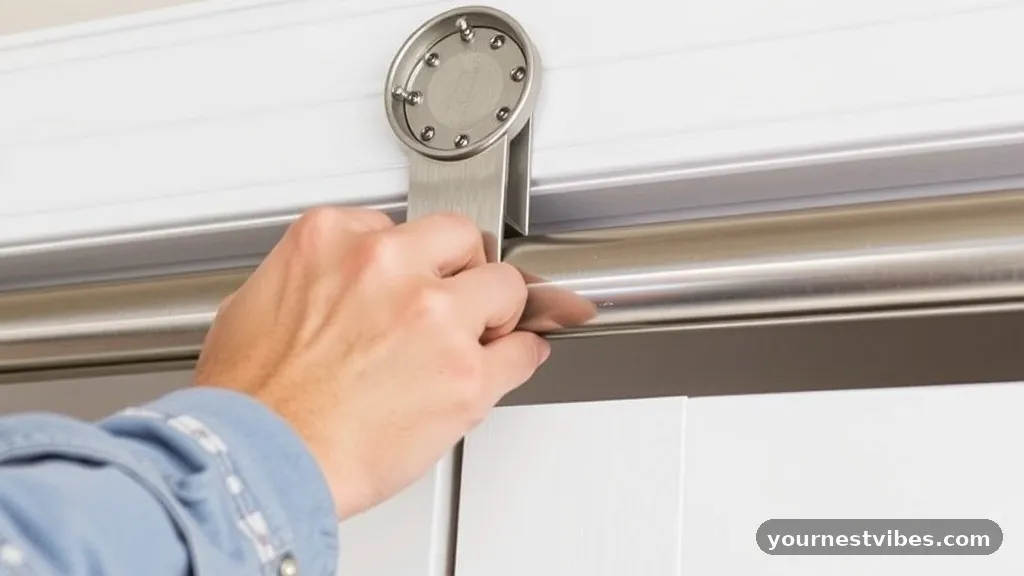
The top pivot bracket is the anchor point that keeps the door aligned vertically. Over time, the screws holding this bracket to the door frame can loosen due to the constant vibration of opening and closing the door. If the bracket has moved even a fraction of an inch, the door will lean, causing the pivot pin to pop out of the track.
To fix this, you need to loosen the adjustment screws on the bracket just enough to allow for movement. Do not remove them entirely.
Slide the bracket until the door hangs perfectly plumb, meaning it is perfectly vertical. You might need a level to confirm this position before tightening the screws back down.
If the screw holes in the wood have stripped, the bracket will continue to slip regardless of how hard you tighten the fasteners. You can solve this by inserting a few wooden toothpicks dipped in wood glue into the holes. Once the glue dries, re-drill the screws; the wood filler provides enough new material for the screws to bite into firmly.
Replacing Worn Guide Wheels
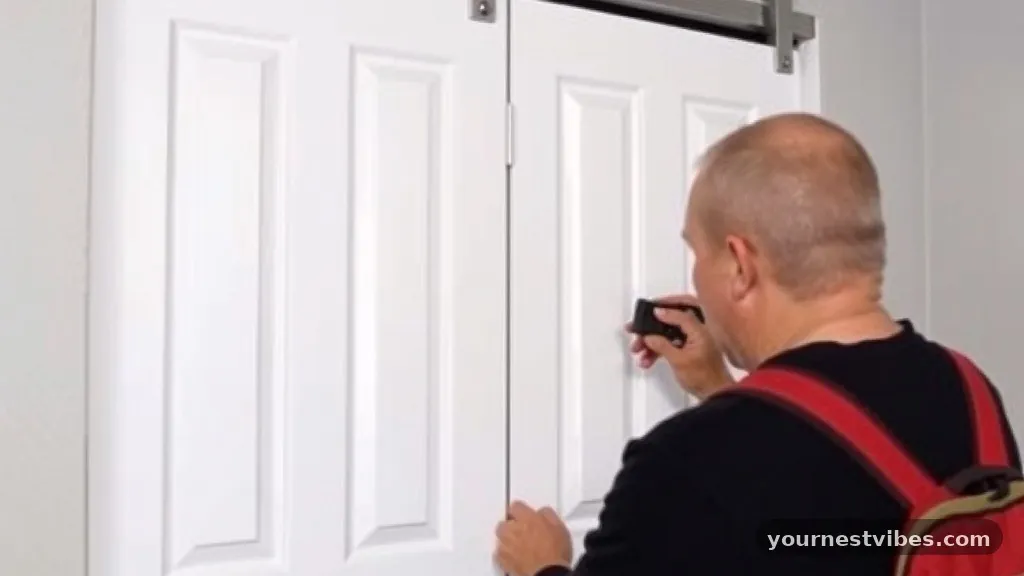
The guide wheel is the unsung hero of your bifold closet system. It keeps the door centered as it slides across the opening.
When the plastic tire on this wheel wears flat or the internal bearing seizes, the wheel will bind. This binding creates enough resistance to force the door out of the track every time you pull it.
Inspect the wheel for signs of uneven wear. If it looks jagged or tilted, it is likely time to purchase a replacement set.
Most home improvement stores sell universal bifold repair kits that include new wheels, pins, and brackets. You can find detailed diagrams on how these parts interact by visiting the International Association of Certified Home Inspectors for professional maintenance standards.
When installing a new wheel, ensure the spring mechanism is fully functional. The spring is designed to keep the wheel pressed firmly against the track.
If the spring is rusted or stuck, the wheel will not maintain the necessary pressure. A quick spray of lubricant can sometimes free a stuck spring, but replacement is the only permanent solution for a broken one.
Aligning the Bottom Pivot
While the top track gets most of the attention, the bottom pivot is equally important for stability. If the bottom pivot is misaligned, the door will sit at a slight angle. This angle forces the top pivot pin to exert uneven pressure on the top track, eventually pushing it out of its housing.
Check the bottom pivot bracket to ensure it is securely fastened to the floor or the side jamb. If this bracket has shifted, the entire door will tilt.
Use a screwdriver to adjust the height of the bottom pivot pin if your system allows it. Raising or lowering the door by even a quarter-inch can significantly improve how the top hardware tracks.
Ensure the door is not dragging on the carpet or floor. If the door is too low, the friction at the bottom will cause the top pins to vibrate and eventually pop out. Trim the bottom of the door if it is rubbing, or adjust the pivot pin to lift the door slightly off the floor surface.
Evaluating Track Damage
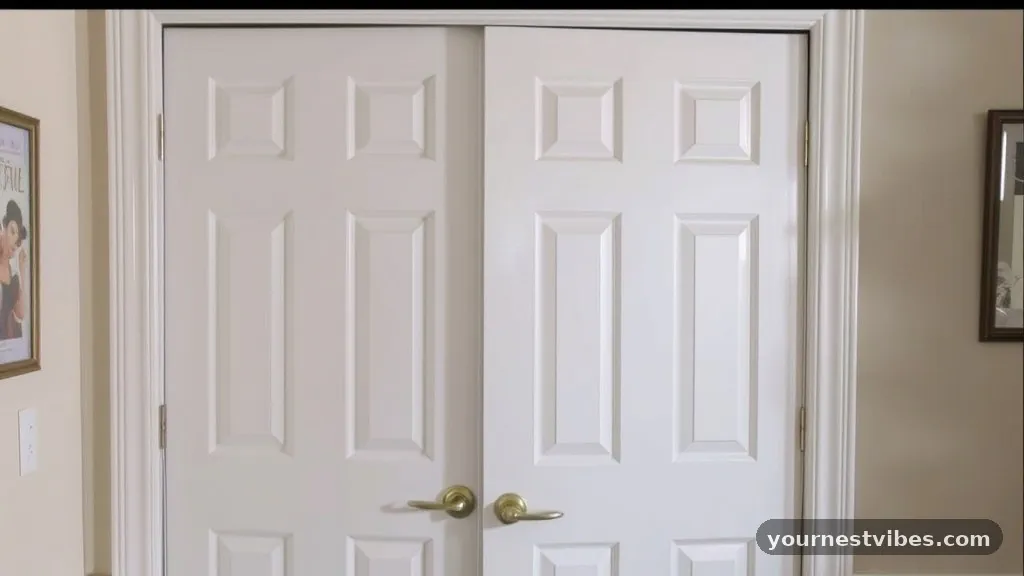
Sometimes the problem isn’t the hardware, but the track itself. If the metal track has become bent or dented, the wheel will hit an obstruction and jump out of the channel.
Look closely at the track for any signs of physical deformity. You can often straighten a minor bend using a pair of pliers or a small hammer.
If the track is severely damaged, such as being cracked or warped, you should replace the entire section. Tracks are typically held in place by a series of screws driven into the header of the door frame. Removing the old track is simple, though you will need to ensure the new track is perfectly level to prevent future issues.
Consider the following table when identifying which component might be failing:
| Component | Common Symptom | Potential Fix |
|---|---|---|
| Top Pivot Pin | Door leans or falls | Tighten bracket or replace |
| Guide Wheel | Door sticks or jumps | Clean, lubricate, or replace |
| Bottom Pivot | Door drags on floor | Adjust height or re-secure |
| Metal Track | Wheel hits bump/gap | Straighten or replace |
Preventative Maintenance Routines

To avoid fixing Bi-Fold Closet Doors That Keep Slipping Off the Top Track in the future, establish a simple maintenance routine. Dust and pet hair are the primary enemies of smooth door operation. These particles accumulate inside the track, turning into a thick sludge that causes the wheels to slide instead of roll.
Vacuum the track area every time you clean your floors. This simple habit prevents the buildup that leads to mechanical failure.
Once a year, take a few minutes to inspect all the screws. Tighten anything that feels loose to ensure the hardware maintains its original factory settings.
Lubrication is another key step in long-term maintenance. Use a dry lubricant, such as graphite or silicone spray, rather than oil-based products.
Oil-based lubricants attract dust, which will only make the track dirtier in the long run. A light coat of silicone keeps the wheels moving freely without creating a mess.
Common Mistakes to Avoid
Many homeowners make the mistake of forcing the door when it feels stuck. If you feel resistance, stop immediately.
Pushing harder will only bend the hardware or crack the wood, making the repair much more expensive than a simple adjustment. Always investigate the source of the resistance before applying force.
Another error is using the wrong replacement parts. Bifold hardware comes in various sizes and styles, and not all parts are interchangeable.
If you are replacing a wheel, take the old one with you to the store to ensure a perfect match. Using a part that is slightly too small or too large will cause the door to sit incorrectly.
Don’t ignore the importance of the door’s weight. If you have replaced the doors with heavier materials like solid wood, the original hardware may not be rated for the load.
Ensure your pins and brackets are rated for the weight of your specific doors. Upgrading to heavy-duty hardware can prevent the recurring issues associated with standard-weight components.
FAQ: Troubleshooting Bifold Doors
Why does my bifold door keep popping open?
If your door won’t stay closed, the alignment of the pivot points is likely off. The door is essentially trying to find its natural resting position, which is slightly open, because the hardware isn’t holding it at the correct angle. Re-aligning the top and bottom pivots will usually force the door to remain shut.
How do I know if the track is the problem?
Run your finger along the inside of the track. If you feel any burrs, dents, or gaps where the metal has separated, the track is the issue. A smooth track is essential for the wheel to stay in place, so any imperfection must be smoothed out or replaced.
Can I fix a sagging bifold door without taking it down?
Yes, you can often adjust the height of the door using the bottom pivot pin. Most systems feature a threaded pin that you can turn with a wrench or screwdriver. This allows you to raise or lower the door while it is still hanging, which is often enough to correct a sag.
Is it necessary to replace the whole track if one part is bent?
Usually, you can repair a small bend using pliers. However, if the track is twisted or has a structural crack, it is better to replace the whole piece. A damaged track will continue to cause the wheels to jump out, so full replacement is the more reliable choice.
What is the best lubricant to use on the track?
Use a silicone-based spray or a dry graphite lubricant. These products provide the necessary slipperiness without becoming sticky. Avoid WD-40 or similar penetrating oils, as they can become gummy over time and collect dust.
Conclusion
Successfully fixing Bi-Fold Closet Doors That Keep Slipping Off the Top Track is a manageable task if you approach it methodically. By checking the integrity of your pivot pins, ensuring the guide wheels are free of debris, and verifying that the track is perfectly aligned, you can restore full functionality to your closet doors. Take the time to perform basic maintenance annually to prevent these issues from returning.
If you find that the hardware is simply too worn or damaged, do not hesitate to install a new, high-quality kit. With the right tools and a bit of patience, your doors will slide smoothly once again. If you have any remaining questions about your specific door model, feel free to consult the manufacturer’s manual or reach out for further assistance.