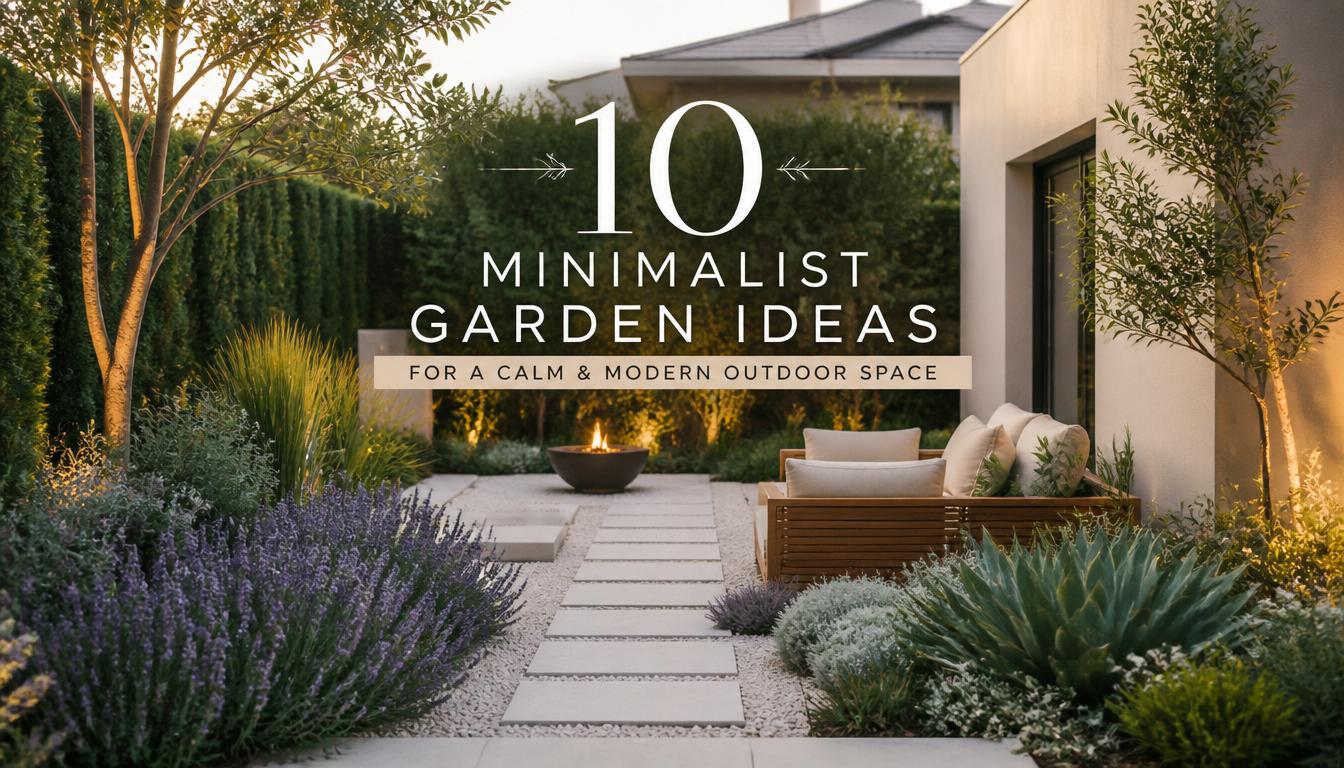
10 Designs: Do Minimalist Garden Ideas
Minimalist garden designs are becoming increasingly popular for homeowners and gardeners alike. The simplicity and elegance of these designs allow for a stress-free, beautiful outdoor space that can complement any home style. Whether you’re looking to create a calming retreat, a functional space for relaxation, or an area for entertaining guests, minimalist gardens can be the perfect solution. These designs focus on fewer elements, clean lines, and a natural aesthetic that promotes a peaceful environment. In this article, we’ll explore 10 stunning minimalist garden design ideas that can transform your outdoor space into a serene haven.
1. Sleek Concrete Planters
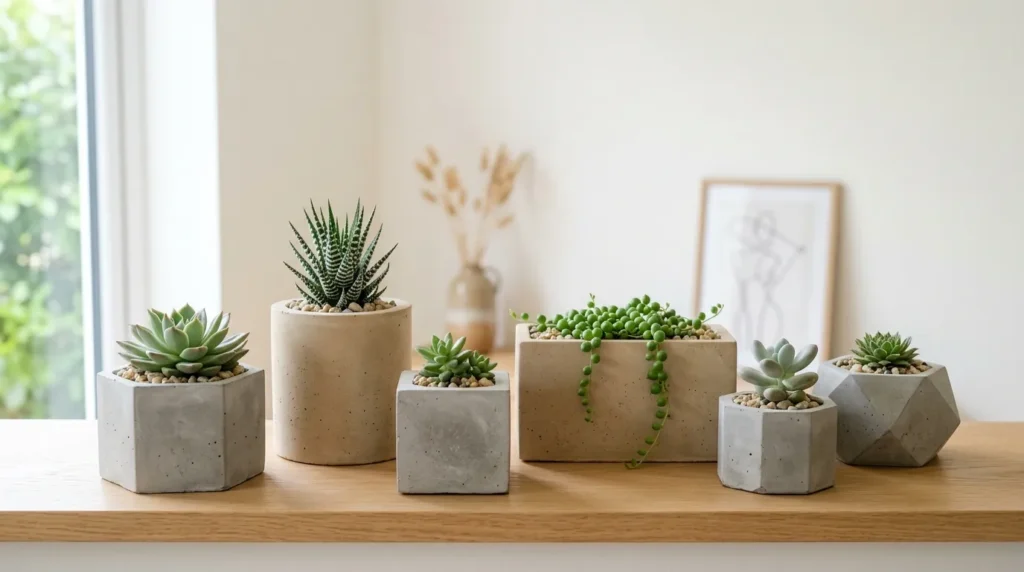
- Adds a modern touch to any garden design.
- Available in various sizes, shapes, and colors.
- Durable and long-lasting, perfect for outdoor conditions.
The beauty of sleek concrete planters lies in their simplicity. They blend effortlessly into minimalist garden designs, offering a modern yet functional element. These planters are versatile and can hold a variety of plants, from small succulents to larger shrubs. Their clean, geometric shapes and neutral colors add structure and order, which is essential in minimalist design. Concrete planters are perfect for creating visual interest without overcrowding the space.
When used in your garden, these planters allow the plants to be the stars of the show, providing a serene and uncluttered look. Concrete’s natural texture complements the organic forms of plants, creating a harmonious balance between materials. This design choice ensures that your garden feels spacious and calming, while the plants themselves provide a touch of greenery that enhances the simplicity of the overall design.
2. Linear Pathways
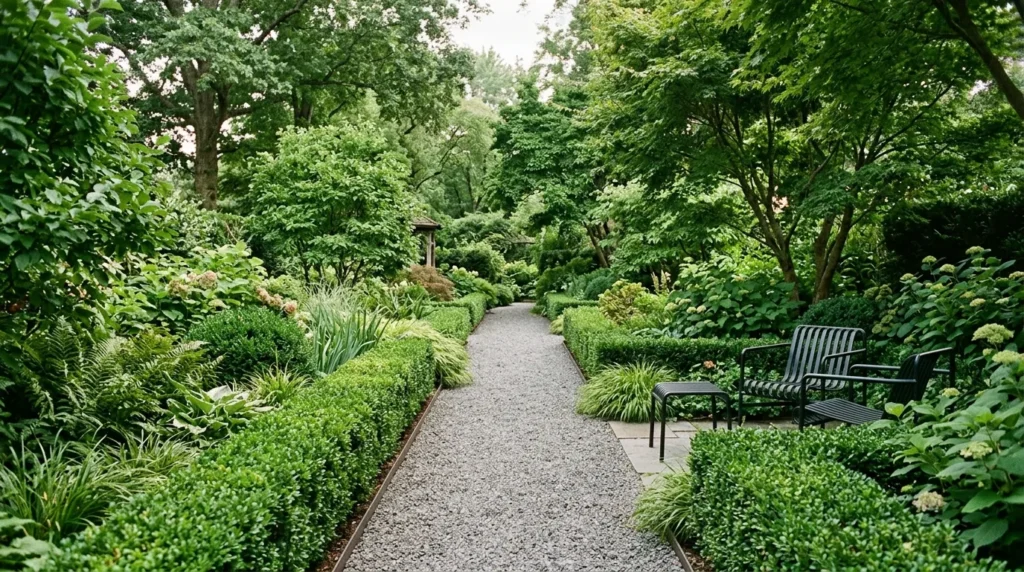
- Creates a clear, defined flow through the garden.
- Perfect for gardens of all sizes, enhancing space perception.
- Easy to maintain and clean.
Linear pathways are a great way to guide the flow of traffic in a minimalist garden. These clean, straight lines create a sense of order and lead the eye toward focal points within the garden. Made from materials like gravel, wood planks, or stone tiles, linear pathways can suit various outdoor aesthetics. They allow the garden’s design to unfold naturally, without unnecessary distractions, and can make small spaces appear larger.
These pathways are not just practical; they are also aesthetically pleasing. The simple layout ensures that the focus remains on the plants and garden elements rather than on the path itself. In a minimalist garden, where less is more, a linear pathway helps create a harmonious structure that promotes a sense of tranquility and ease.
3. Neutral Palettes
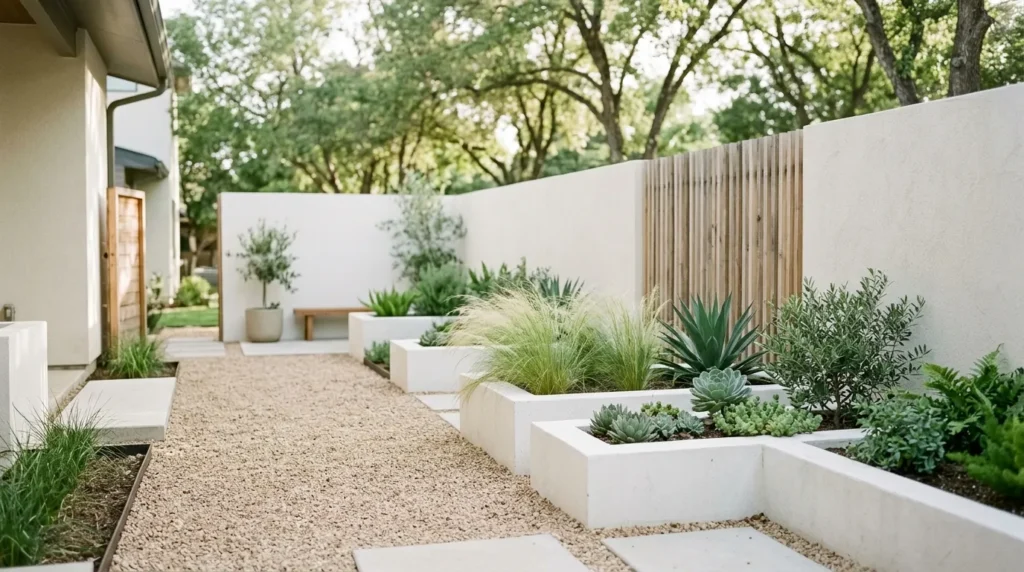
- Creates a calm and cohesive environment.
- Works well with a variety of plants and décor.
- Simple and timeless appeal.
A neutral color palette is a hallmark of minimalist garden design. Shades of gray, beige, and white create a calming atmosphere that allows other elements of the garden to shine. Whether you choose neutral planters, furniture, or decorative accents, the subdued tones ensure that your outdoor space remains peaceful and not overwhelming. This approach also allows for flexibility in choosing plants, as vibrant flowers or greenery will naturally stand out against the backdrop of neutral colors.
By opting for a neutral color scheme, you ensure that your garden has a timeless, clean look that won’t quickly go out of style. It creates a backdrop for nature’s beauty while keeping the space feeling open and airy. This is perfect for those who prefer a garden that feels effortlessly sophisticated.
4. Geometric Garden Features
- Provides a sharp, modern aesthetic.
- Versatile for creating focal points.
- Can incorporate various materials like stone, metal, or wood.
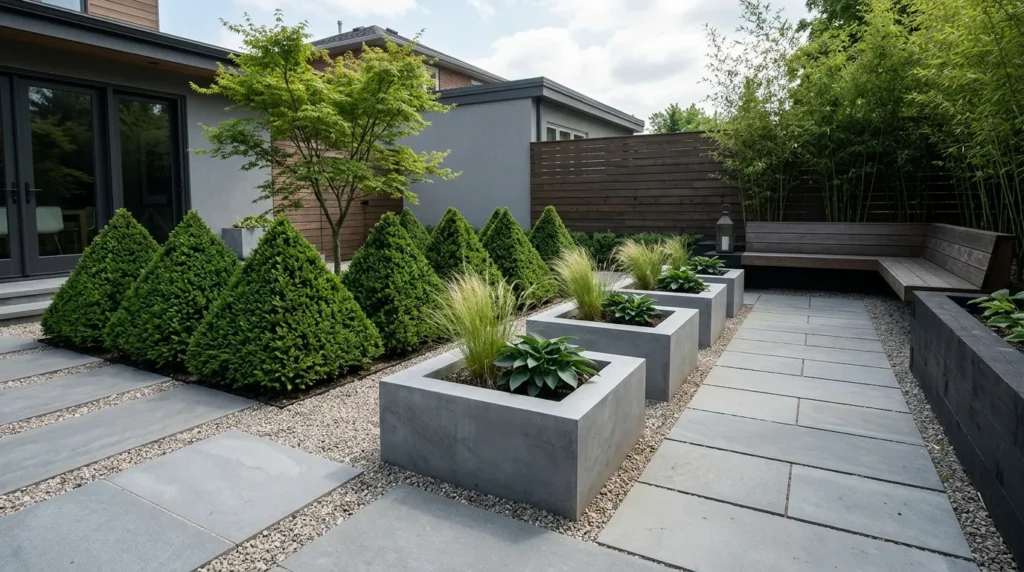
Geometric elements in a garden can dramatically elevate its minimalist design. Whether it’s a series of triangular hedges, circular stone benches, or square planting beds, geometric shapes add structure and modernity. These features create a bold yet clean look that enhances the minimalist aesthetic. Geometric designs are particularly effective in creating focal points within a garden, offering visual interest without overcomplicating the space.
This design choice also allows for flexibility in terms of materials. Stone, metal, wood, or even glass can be used to create geometric features that blend seamlessly with the natural surroundings. It’s a perfect way to incorporate modern design while keeping things simple.
5. Succulent Gardens
- Requires low maintenance, making them ideal for minimalist gardens.
- Adds unique textures and colors to the design.
- Works well with both indoor and outdoor spaces.
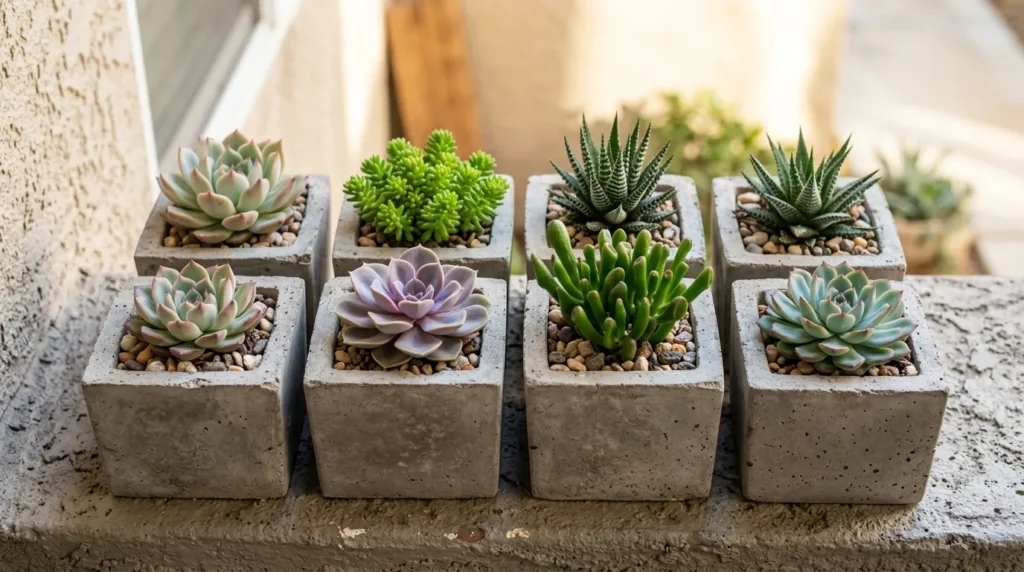
Succulents are a perfect addition to a minimalist garden. Their low-maintenance nature and striking appearance make them ideal for homeowners who want a beautiful yet simple garden. These plants come in various shapes, sizes, and colors, allowing you to create a unique visual appeal while keeping the design clean and uncluttered. Succulent gardens are particularly great for small spaces or for anyone looking to reduce the amount of gardening effort required.
Incorporating succulents into your garden offers a variety of textures and forms that enhance the overall aesthetic. From spiky aloe to soft, rounded echeveria, succulents bring a diverse range of characteristics to a minimalist garden. Their ability to thrive with little water or attention makes them a practical and beautiful choice for the minimalist gardener.
6. Zen Garden Elements
- Brings a sense of calm and serenity to the outdoor space.
- Simple features like sand, rocks, and minimal plants.
- Ideal for smaller areas or as an accent feature.
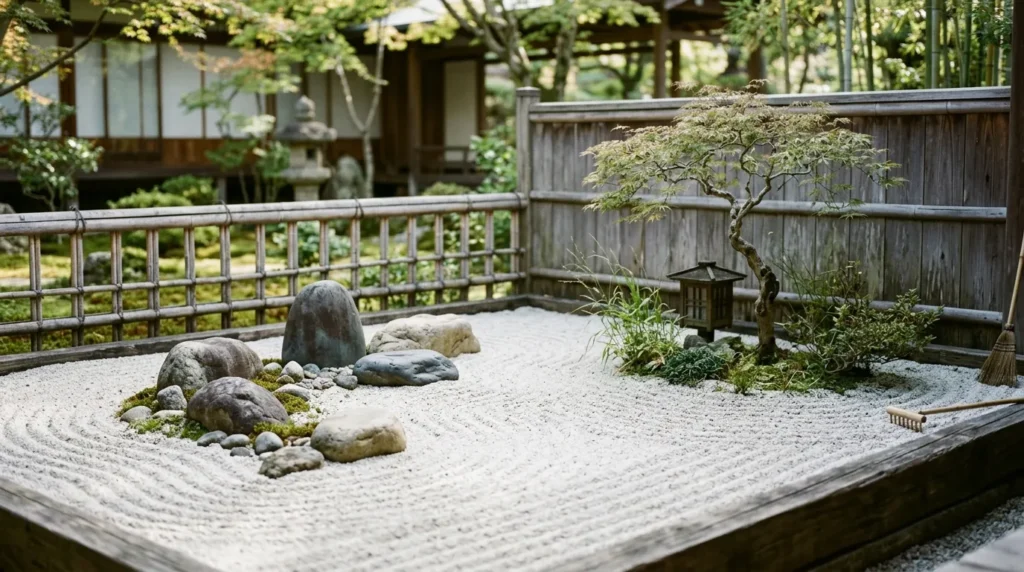
A Zen garden is the epitome of minimalist design, offering a peaceful escape from the busyness of daily life. With elements such as raked sand, smooth stones, and a few strategically placed plants, Zen gardens are a perfect way to evoke a sense of tranquility and balance. These gardens work especially well in smaller outdoor spaces or as part of a larger minimalist design.
The beauty of a Zen garden lies in its simplicity. The raked sand represents the flow of water, and the placement of rocks and plants creates balance and harmony. It’s a great choice for those who value mindfulness and serenity in their garden, offering a contemplative space that invites relaxation.
7. Minimalist Water Features
- Adds a calming element to the garden with gentle sounds.
- Easy to maintain with proper installation.
- Offers visual interest without overwhelming the space.
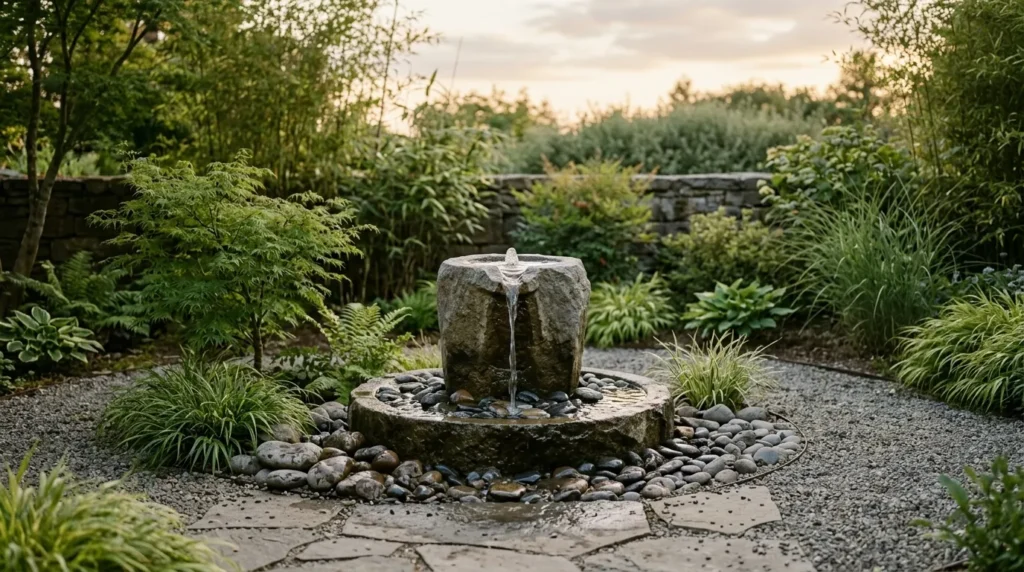
A minimalist water feature can transform any garden into a tranquil oasis. These features don’t need to be elaborate; a simple water fountain, a small pond, or a stream can be enough to add soothing sounds and create a calm atmosphere. Water features work well with other minimalist elements, offering a sensory experience without detracting from the overall design.
By keeping the water feature simple and clean, it complements the minimalist theme while adding a layer of sensory enjoyment. The gentle sound of flowing water promotes relaxation, and the visual element enhances the garden’s peaceful vibe. These features are also relatively easy to maintain with the right setup, making them ideal for minimalist gardens.
8. Integrated Lighting
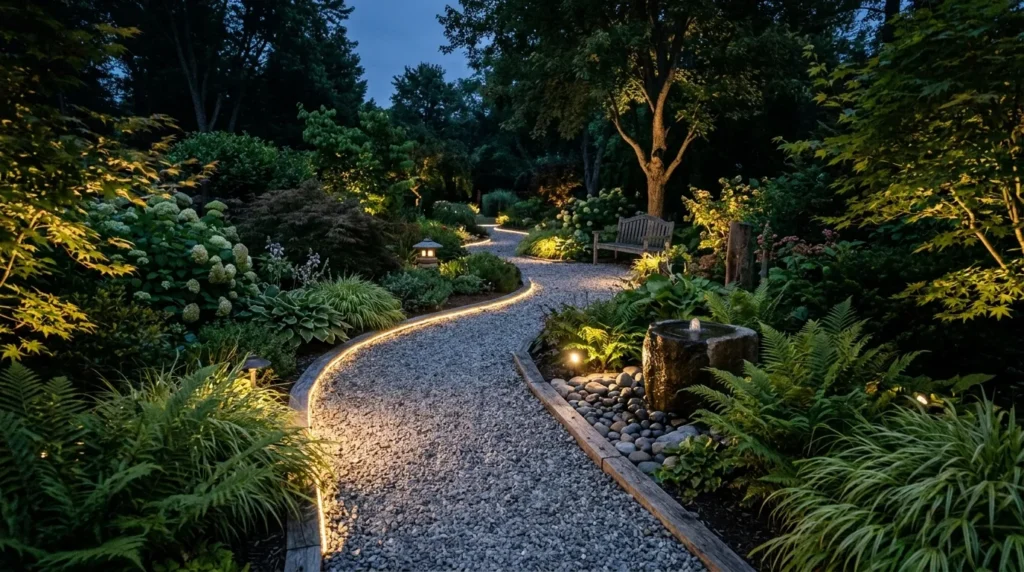
- Enhances the atmosphere during evening hours.
- Can be used to highlight key garden features.
- Energy-efficient options available for eco-conscious designs.
Lighting plays a crucial role in the design of minimalist gardens, especially when it comes to creating ambiance after dark. Simple, integrated lighting such as hidden LED strips along pathways or spotlights focused on key features can help highlight the best parts of your garden without overwhelming it. This subtle lighting not only serves a functional purpose but also adds a magical quality to the outdoor space.
With energy-efficient options like solar-powered lights, integrated lighting is both sustainable and visually stunning. It allows you to enjoy your minimalist garden at all hours, creating an inviting atmosphere even at night. Whether you’re hosting a small gathering or simply enjoying the peace of your outdoor retreat, lighting can dramatically change the mood of the space.
9. Functional Outdoor Furniture
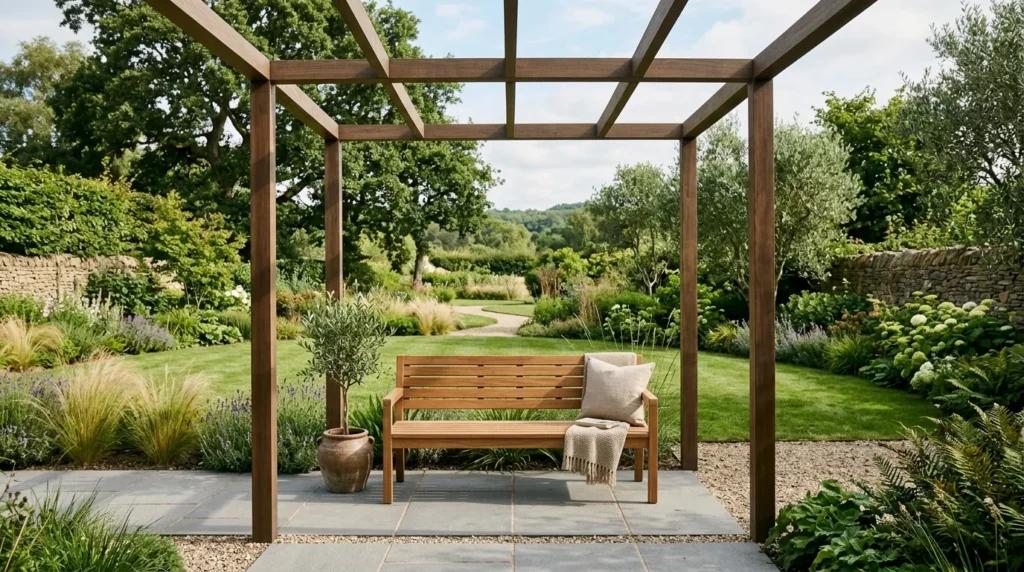
- Simple, sleek designs that complement minimalist spaces.
- Durable materials suited for outdoor use.
- Provides both comfort and style in a clean, uncluttered manner.
When it comes to minimalist garden furniture, less is more. Opt for simple, sleek pieces made from durable materials like teak, metal, or concrete. These materials not only offer long-lasting durability but also contribute to the clean lines and modern aesthetic of a minimalist garden. Functional outdoor furniture, such as a simple bench or a low-profile table, enhances the space while maintaining an uncluttered feel.
This style of furniture is practical, providing seating and surfaces for enjoying your garden while keeping the design clean and straightforward. The beauty of minimalist furniture lies in its ability to blend seamlessly into the garden’s natural surroundings, offering comfort without distraction.
10. Vertical Gardens
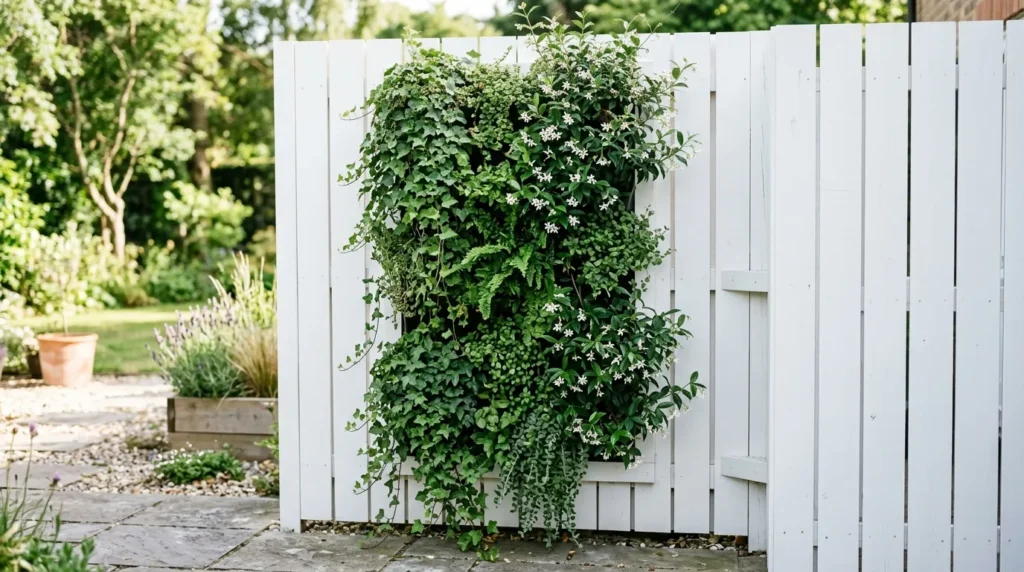
- Maximizes limited space by growing upwards.
- Can create a stunning visual effect with climbing plants or wall-mounted planters.
- Perfect for small yards or urban gardens.
Vertical gardens are a clever solution for creating a green oasis in limited spaces. By growing plants vertically, you can maximize your outdoor area while maintaining a minimalist design. Wall-mounted planters, trellises, and climbing plants like ivy or jasmine can transform bare walls or fences into lush, green backdrops. This design works especially well in smaller urban gardens or on patios where space is at a premium.
A vertical garden not only adds beauty but also enhances the overall ambiance of the garden. The greenery brings life and vibrancy to the space, while the vertical layout keeps the ground area clear and open. It’s a perfect solution for anyone looking to create a garden that’s both functional and aesthetically pleasing.