Top 10 Designs: Do Modern Outdoor Patio with Grass
Introduction
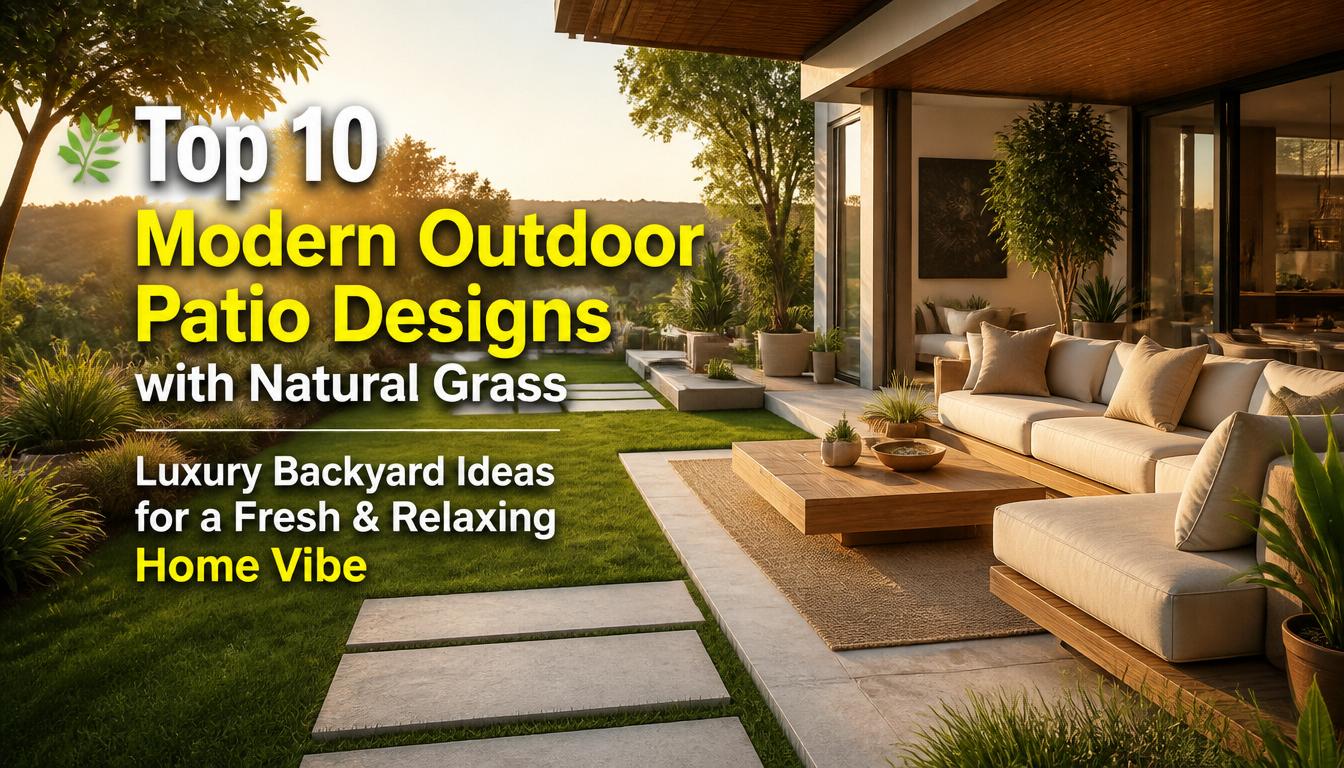
A modern patio with grass can make an outdoor space feel clean, fresh, and expensive without turning the yard into a high-maintenance project. Many USA homeowners want an outdoor area that looks polished enough for entertaining, but still feels soft, relaxed, and family-friendly. Grass brings that balance beautifully. It softens concrete, cools down hard surfaces, adds natural color, and makes even a compact backyard feel more inviting.
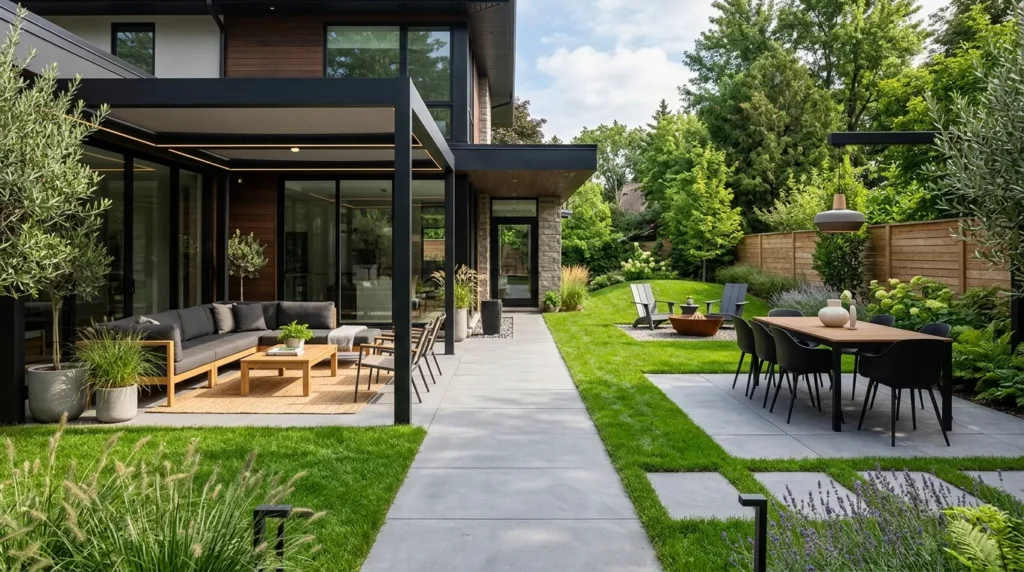
The best patio designs do not treat grass as an afterthought. They use it as part of the layout. A green strip between pavers, a small turf lounge zone, a dining corner framed with grass, or a fire pit area surrounded by lawn can completely change how the space feels. This 10 Designs: Do Modern patio guide focuses on practical ideas that are stylish, realistic, and easy to adapt.
You will find design concepts that work for small yards, suburban patios, townhomes, side yards, and larger outdoor spaces. Each idea includes layout tips, useful materials, styling logic, and real-life upgrades that help your patio feel more finished, comfortable, and Pinterest-worthy.
1. Concrete Grass Grid
- Combines clean concrete with soft green lines.
- Works well for modern backyards and side patios.
- Uses concrete slabs, grass strips, turf, or groundcover.
- Creates a geometric look without feeling too harsh.
- Keeps the patio structured, simple, and easy to style.
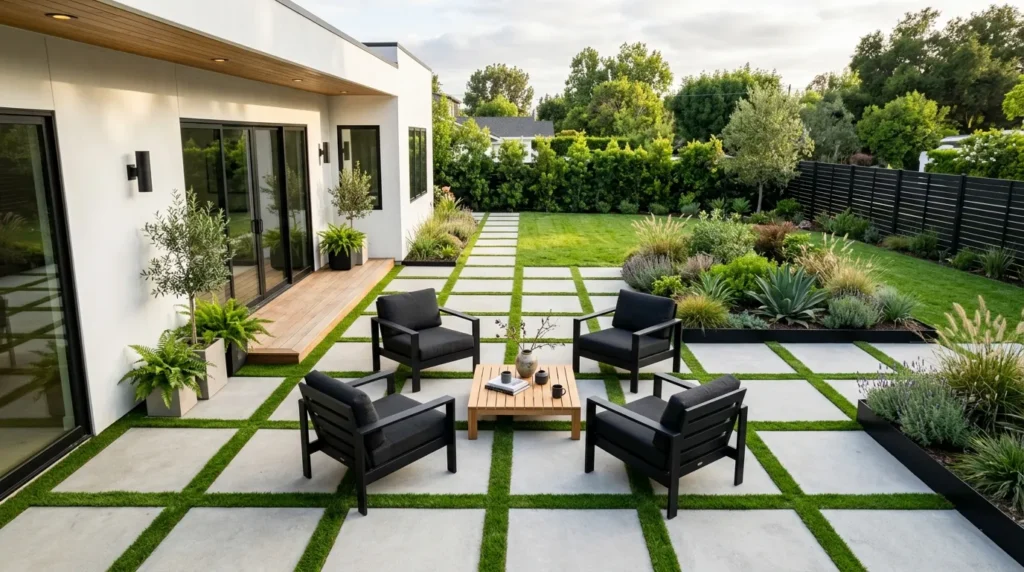
A concrete grass grid gives the patio a sharp modern look while keeping the space fresh and natural. The design uses square or rectangular concrete slabs with narrow grass lines between them, creating a clean pattern that feels architectural. In my experience, this style works especially well for homes with white, gray, black, or wood exterior finishes. The contrast between hard concrete and soft green grass makes the patio feel balanced, not cold. It is also a strong choice when you want a designer look without adding too many decorative pieces.
The transformation comes from the way the grid organizes the entire outdoor area. Large slabs create walking space, while the grass breaks up the surface and adds color. You can use real grass, artificial turf, creeping thyme, or low groundcover depending on sunlight and maintenance needs. Keep the lines even for a polished look, and choose outdoor furniture with simple shapes so the pattern remains visible. This layout works beautifully near sliding doors, outdoor kitchens, pool edges, or compact lounge corners where structure matters.
2. Floating Paver Path
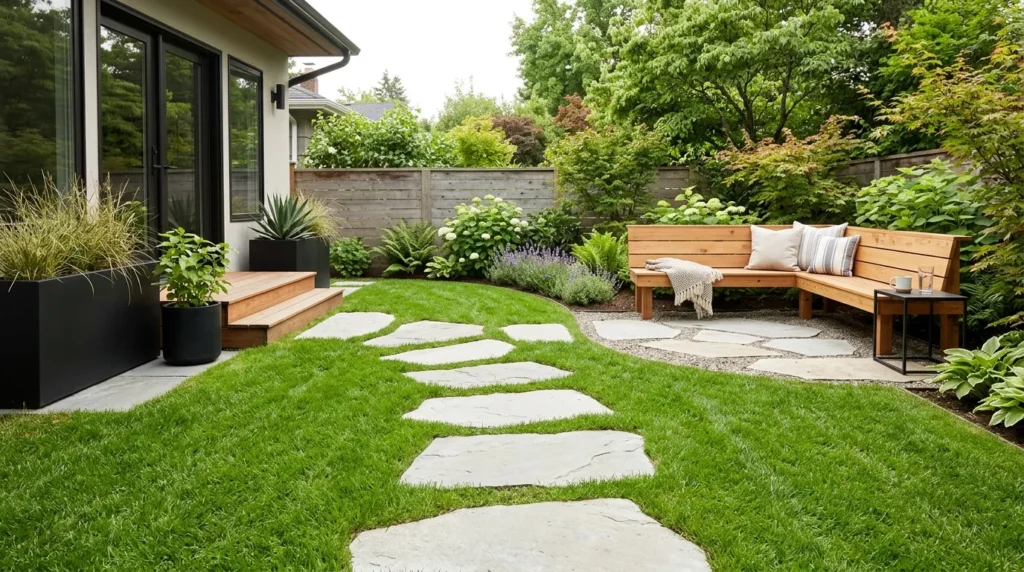
- Adds movement through a grassy patio area.
- Works for back doors, garden corners, and side yards.
- Uses large pavers, pea gravel, sod, or artificial turf.
- Makes small yards feel longer and more designed.
- Creates a clean path without covering the whole lawn.
A floating paver path makes a grass patio feel intentional instead of plain. The idea uses large stepping stones or modern pavers placed across a green surface, almost like they are floating over the lawn. This creates rhythm and direction while keeping the softness of grass visible. I’ve noticed this works especially well in smaller outdoor spaces because the path draws the eye forward and makes the yard feel deeper. Choose oversized square, rectangular, or irregular stone pavers depending on whether your home feels modern, organic, or transitional.
This design also improves daily use because it gives people a clean walking route after rain or watering. Place pavers from the back door to a seating area, grill zone, garden gate, or fire pit corner. Keep spacing comfortable for natural steps, and set each paver level so it feels safe underfoot. For a cleaner finish, trim grass neatly around each stone or use artificial turf if maintenance is difficult. The final look feels simple, fresh, and useful without making the patio feel overbuilt.
3. Sunken Lounge Patch
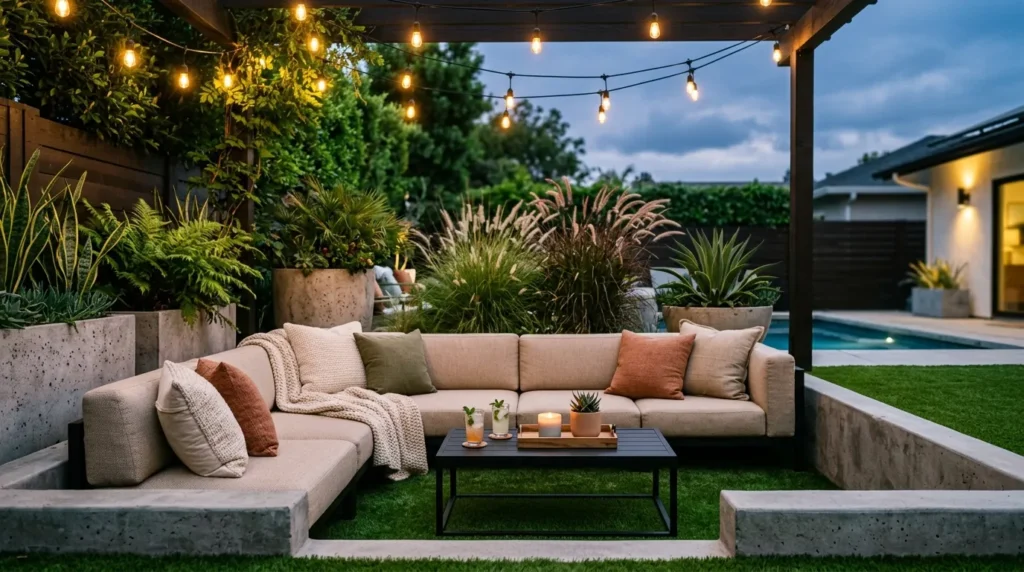
- Creates a cozy outdoor seating zone.
- Works beautifully with turf, grass, and low furniture.
- Uses outdoor sofas, concrete borders, cushions, and lighting.
- Makes the patio feel private and resort-inspired.
- Best for relaxed entertaining, reading, and evening gatherings.
A sunken lounge patch turns a grassy patio into a cozy outdoor room. The design creates a slightly lowered or visually framed seating area where grass or turf becomes part of the floor. Even if you do not build an actual sunken structure, you can create the effect with concrete borders, low decking, raised planters, or edging. That’s why many designers recommend defining outdoor zones clearly. When seating has boundaries, the patio feels more expensive, more comfortable, and much easier to style for everyday use.
The key is keeping the furniture low, comfortable, and weather-friendly. Use outdoor sofas, lounge chairs, washable cushions, a concrete coffee table, and warm string lights or ground lights. Grass around the seating area softens the hard edges and makes the space feel relaxed. If you live in a dry or high-traffic area, artificial turf may be easier to maintain. Add a few large planters for height and privacy. The result feels like a mini backyard retreat that works for quiet mornings, casual hosting, and late-night conversations.
4. Pergola Lawn Corner
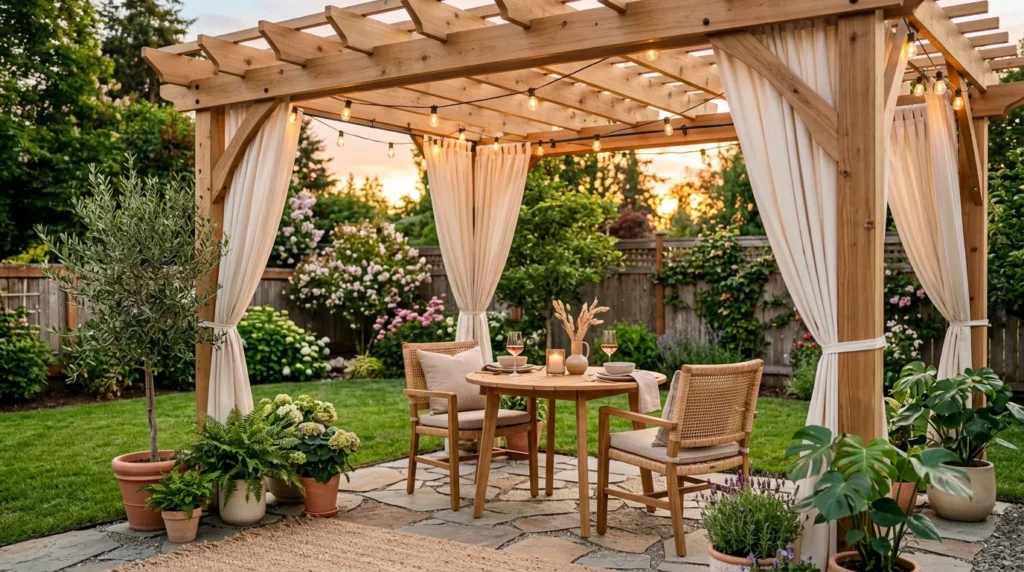
- Adds shade and structure to a grass patio.
- Works with wood, metal, vinyl, or painted pergolas.
- Pairs well with outdoor curtains, lights, and climbing plants.
- Creates a defined lounge or dining area.
- Gives the yard a finished architectural focal point.
A pergola lawn corner can make a basic grassy patio look like a designed outdoor living space. The pergola provides structure, shade, and height, while the grass keeps the area soft and welcoming. This combination works beautifully in American backyards where people want a place to sit outside without building a full covered porch. In my experience, a pergola instantly makes outdoor furniture look more intentional because it frames the zone from above. Add simple curtains, climbing vines, or string lights to make the corner feel warm and inviting.
For the best layout, place the pergola where it connects naturally to the house, garden, or main seating area. Use pavers under the furniture if you want more stability, or keep a turf base for a softer lounge feel. Wood gives warmth, black metal feels modern, and white vinyl looks clean in coastal or suburban homes. Choose weather-resistant furniture and add an outdoor rug if the ground surface allows it. The finished corner becomes perfect for dining, reading, weekend coffee, or relaxed evening gatherings.
5. Fire Pit Lawn
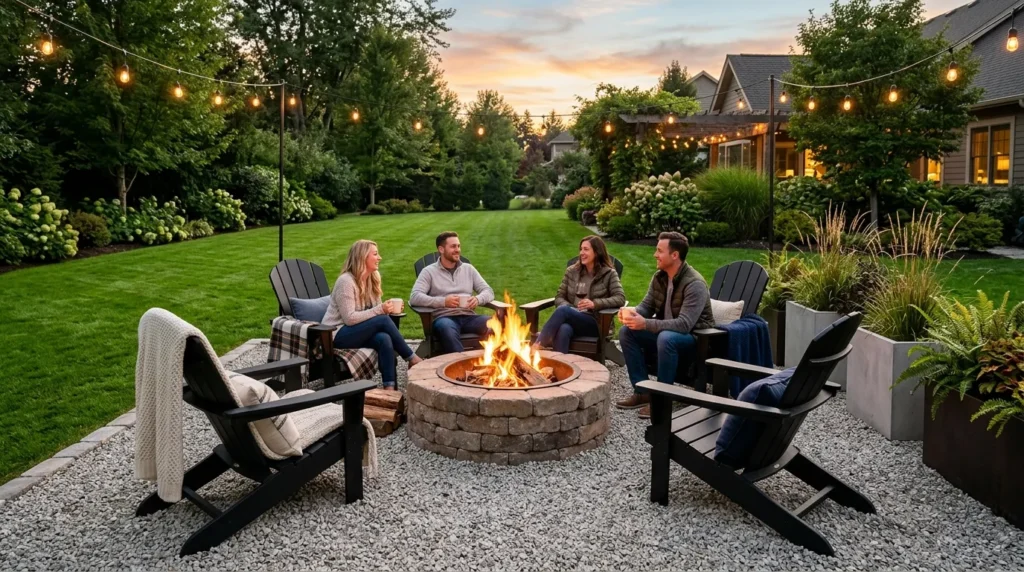
- Creates a warm gathering area on or near grass.
- Works with gravel borders, stone pads, or concrete bases.
- Uses fire-safe materials and comfortable outdoor chairs.
- Adds evening atmosphere and year-round function.
- Needs safe spacing from plants, fencing, and structures.
A fire pit lawn design adds warmth and purpose to an outdoor patio with grass. The idea is to create a cozy gathering point where chairs surround a fire feature, while the surrounding lawn keeps the space casual and comfortable. Safety should always come first, so use a proper stone, gravel, concrete, or paver base under the fire pit instead of placing it directly on grass. I’ve seen this work well in many homes because it turns an open yard into a real destination for family and guests.
The layout should leave enough room for chairs, walking space, and safe distance from fences, trees, furniture, and the house. Choose Adirondack chairs, metal lounge chairs, or cushioned outdoor seats depending on the style you want. Gravel around the fire pit helps define the zone and reduces maintenance near heat. Add small side tables for drinks and warm outdoor lighting for evening use. Always follow local fire rules and manufacturer instructions. When planned carefully, this area becomes one of the most used spots in the yard.
6. Dining Turf Zone
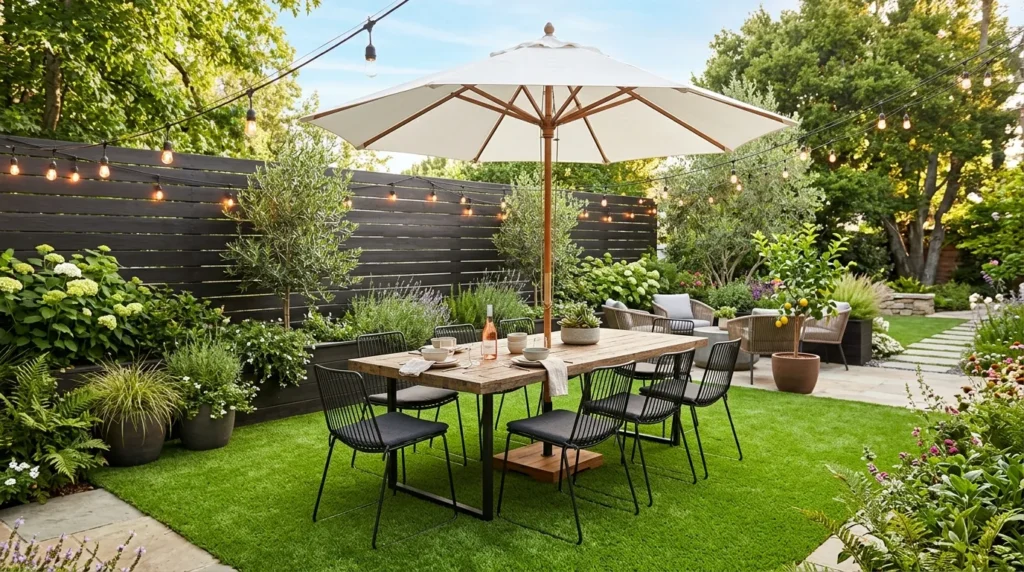
- Defines an outdoor dining area with grass or turf.
- Works for patios, small backyards, and townhouse spaces.
- Uses a dining set, pavers, turf, planters, and lighting.
- Feels softer than a fully concrete dining patio.
- Great for casual dinners, brunch, and summer hosting.
A dining turf zone makes outdoor meals feel relaxed, fresh, and beautifully styled. Instead of placing a dining set on plain concrete, this idea uses grass or artificial turf to soften the area and create a garden-inspired base. It works especially well for compact yards where a full deck or stone patio might feel too heavy. The green surface makes black, white, wood, or woven dining furniture stand out beautifully. That’s why many designers use grass to bring warmth into otherwise modern outdoor layouts.
For daily use, the furniture needs a stable base and enough space for chairs to move easily. If real grass gets uneven, consider placing large pavers under the table legs or using turf over a prepared surface. Add planters around the dining area to create a room-like feeling, then include outdoor string lights or a simple umbrella for comfort. A washable outdoor rug can also help define the space if the ground allows it. The result feels welcoming for brunch, dinner, birthdays, and casual weekend meals.
7. Bordered Green Strip
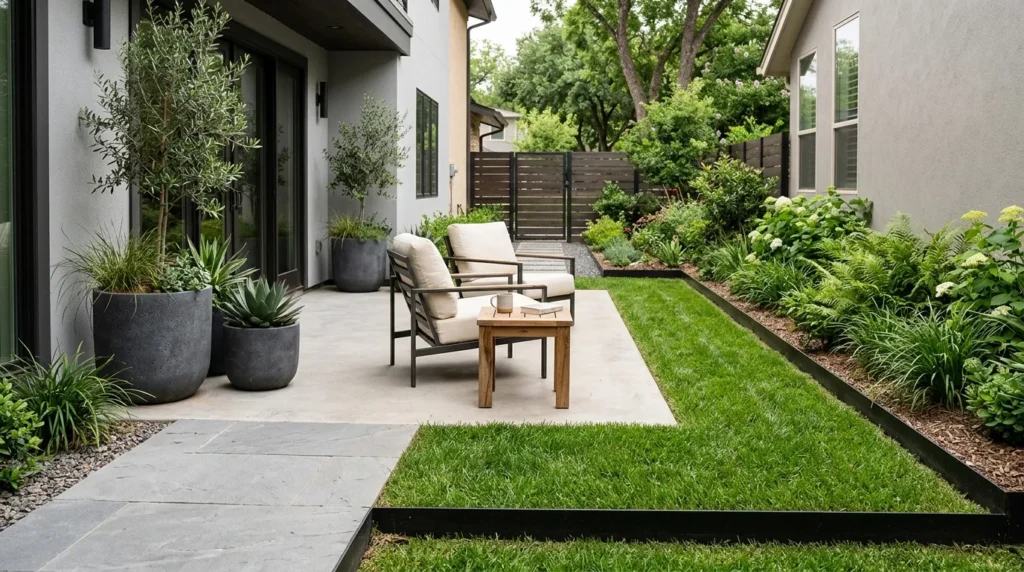
- Adds grass without covering the full patio.
- Works beside concrete, decking, gravel, or stone.
- Uses narrow sod strips, turf, edging, or groundcover.
- Creates a clean modern frame around seating areas.
- Helps soften hard patio materials visually.
A bordered green strip is perfect when you want grass in the patio design without maintaining a full lawn. This idea uses a narrow strip of grass, turf, or groundcover along the edge of a patio, walkway, fence, or seating zone. The green border softens concrete, stone, gravel, and decking while keeping the layout clean. In my experience, this is one of the easiest ways to make a modern patio feel less harsh. It adds color and texture without taking over the whole outdoor area.
This layout works beautifully in small yards, side patios, and homes with limited outdoor maintenance time. Use metal edging, concrete borders, brick, or stone strips to keep the green area neat and separated from hard surfaces. A slim grass border can run beside a fence, around a lounge zone, or between a patio and garden bed. Artificial turf is useful where sunlight is limited or foot traffic is heavy. The result feels modern, organized, and softer, with just enough greenery to make the patio feel alive.
8. Privacy Planter Wall
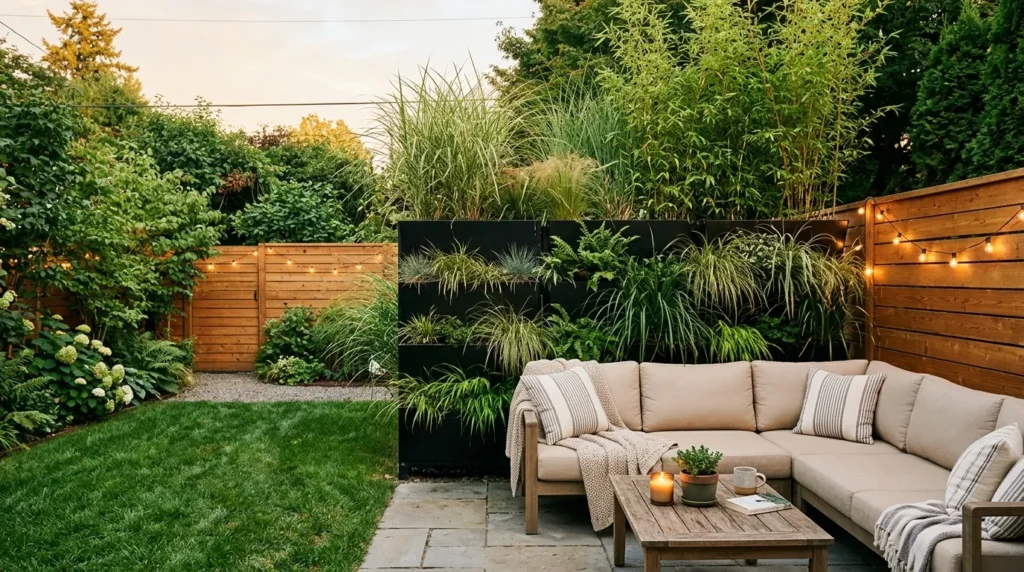
- Creates privacy while keeping the patio green.
- Works with tall planters, grasses, bamboo, or shrubs.
- Uses wood boxes, metal planters, ceramic pots, or hedges.
- Helps block neighbors, fences, and street views.
- Adds height, texture, and a calm outdoor feeling.
A privacy planter wall makes a grass patio feel more peaceful, especially in neighborhoods where homes sit close together. Instead of relying only on a fence, this idea uses tall planters, shrubs, ornamental grasses, bamboo, or climbing plants to create a softer screen. The grass below keeps the area relaxed, while the vertical greenery adds height and enclosure. I’ve noticed this approach works well because it gives privacy without making the yard feel boxed in. The greenery moves with the breeze and feels much warmer than a blank wall.
Choose planter materials that match the patio style. Wood boxes feel warm, black metal looks modern, concrete planters feel high-end, and ceramic pots add a softer decorative touch. Place taller plants behind seating or along the property edge, then keep shorter greenery closer to the lounge area. If you need low maintenance, use evergreen shrubs or artificial privacy panels mixed with real planters. The result improves comfort, blocks unwanted views, and makes the patio feel like a private outdoor room.
9. Gravel Grass Blend
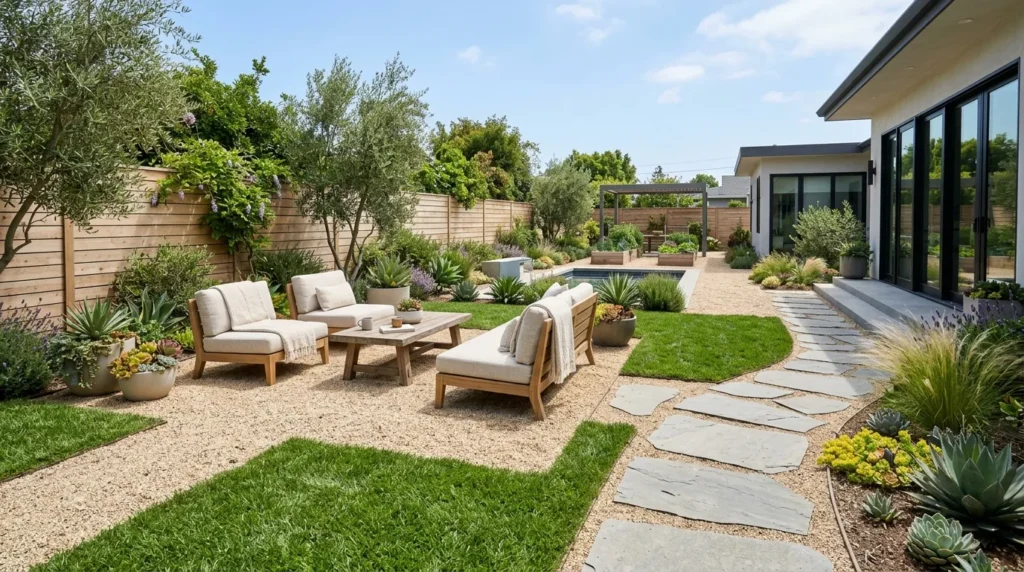
- Combines texture, drainage, and modern outdoor style.
- Works for dry climates, side yards, and casual patios.
- Uses pea gravel, stepping stones, grass, edging, and planters.
- Reduces the amount of lawn to maintain.
- Creates a relaxed but polished backyard look.
A gravel grass blend creates a modern outdoor patio that feels textured, practical, and easy to maintain. The design mixes gravel areas with grass patches, giving the yard a layered look that is less plain than a full lawn. Pea gravel, crushed stone, or decomposed granite can define seating paths, while grass adds softness and cooling color. This combination is especially useful in drier parts of the USA where reducing lawn size can make maintenance easier. It looks natural, but still feels planned and stylish.
To keep the design clean, use edging between gravel and grass so the materials do not spread into each other. Place lounge chairs, a small table, or a grill station on the gravel, then keep the grass open for kids, pets, or visual softness. Add stepping stones if people need a clear walking path. Drought-tolerant planters, wood furniture, and black metal accents work well with this style. The finished patio feels casual, modern, and practical for outdoor living without requiring a large construction project.
10. Minimal Patio Steps
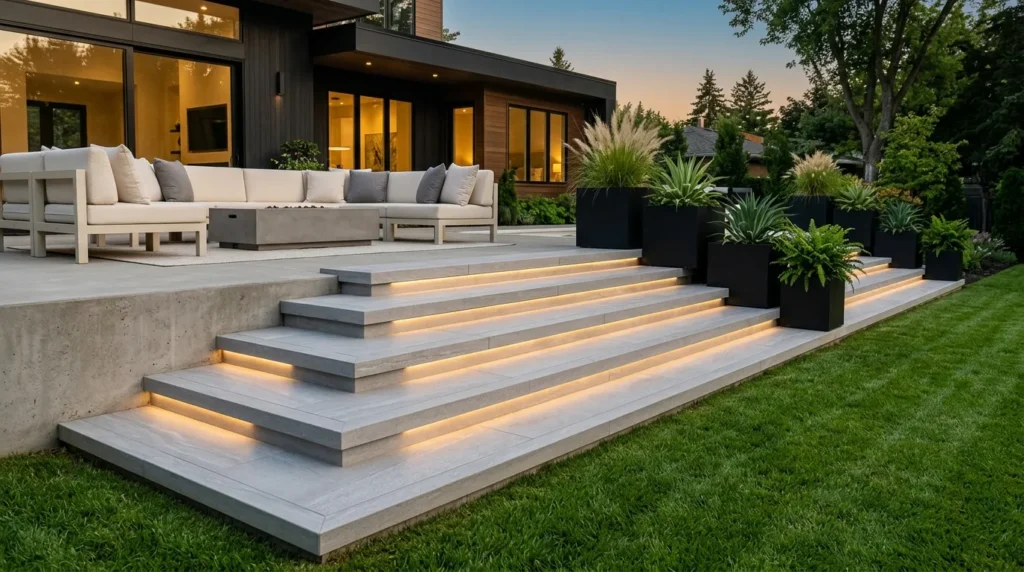
- Connects grass and patio areas smoothly.
- Works with concrete, stone, wood, or porcelain steps.
- Adds dimension to flat yards and small outdoor spaces.
- Helps separate lounging, dining, and garden zones.
- Creates a clean transition between surfaces.
Minimal patio steps can make a grass patio feel more architectural and complete. Even one or two low steps can create a beautiful transition between the house, patio surface, and lawn. The design works especially well when the steps are wide, simple, and made from materials like concrete, stone, wood, or porcelain pavers. That’s why many designers use level changes to make outdoor spaces feel more custom. The grass softens the base of the steps and adds natural contrast to the hard materials.
The layout should feel safe, comfortable, and easy to move through. Keep step heights consistent, use slip-resistant materials, and add lighting if the area is used at night. Wide steps can also double as casual seating during gatherings, especially when placed near a lounge or dining zone. Add grass along one side, between step landings, or at the base to keep the transition fresh. With clean edges and simple materials, the patio feels modern, usable, and more connected to the rest of the yard.