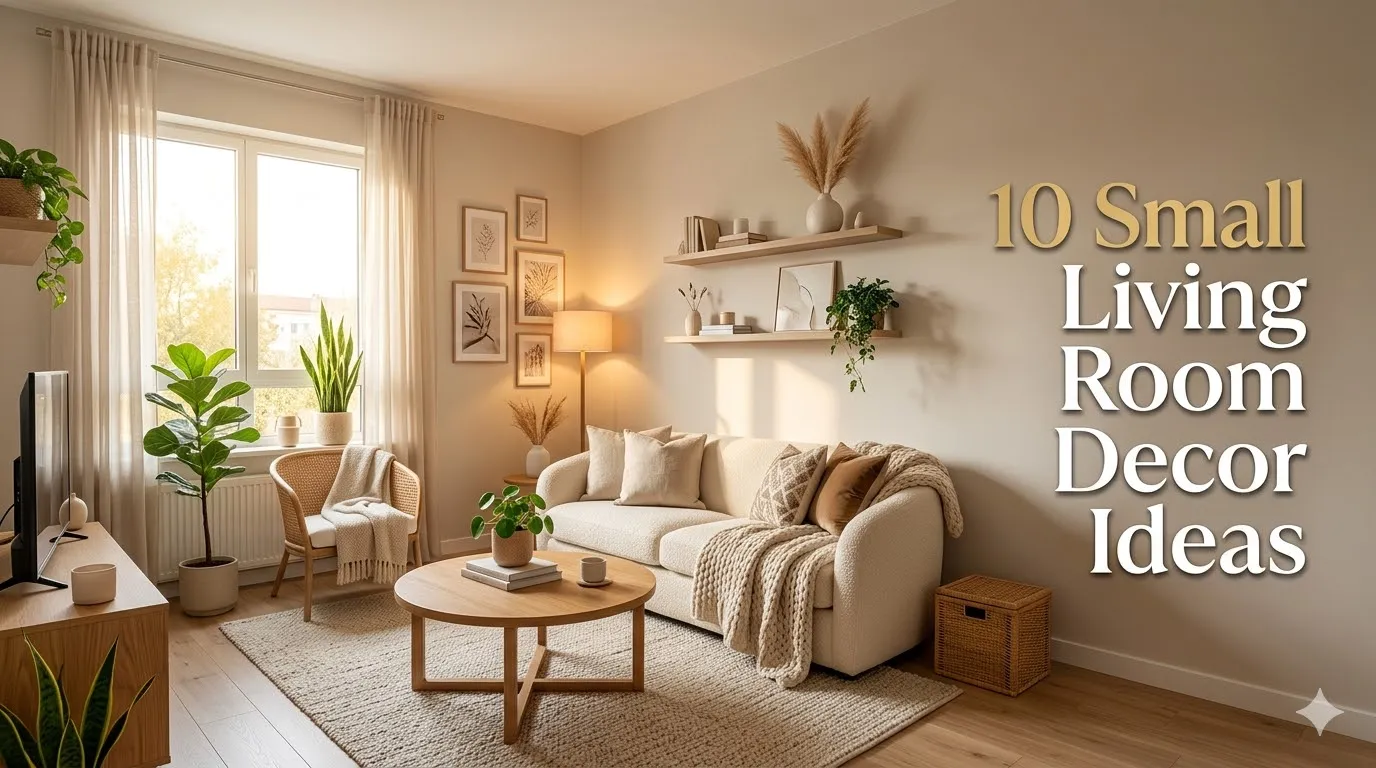
10 Small Living Room Decor Ideas
Decorating a small living room can feel challenging, especially when you’re trying to balance style, comfort, and functionality within a limited amount of space. Many homeowners and renters struggle with rooms that feel cramped, cluttered, or difficult to arrange. However, a smaller living room doesn’t mean you have to sacrifice beauty or comfort. In fact, some of the most inviting and stylish homes make the most of every square foot through thoughtful design choices and smart decorating techniques.
One of the biggest misconceptions about small spaces is that they require less decorating. In reality, successful small-room design often requires more intention. Every furniture piece, color choice, texture, and decorative accent plays an important role in how the room looks and feels. When selected carefully, these elements can make a compact space appear larger, brighter, and more welcoming.
I’ve noticed that the most successful small living rooms focus on creating balance rather than filling every available corner. A well-designed room uses scale, lighting, storage, and layout strategically to maximize both style and function. Small spaces can actually feel more cozy, personal, and comfortable than larger rooms when designed thoughtfully.
Whether you’re decorating an apartment, townhouse, condo, or compact home, these ideas will help you transform your living room into a space that feels spacious, stylish, and inviting. From furniture choices to storage solutions and visual tricks that enhance openness, these decorating strategies are perfect for creating a room you’ll love spending time in every day.
Table of Contents
1. Light Neutral Palette
Create a brighter and more open atmosphere.
2. Multifunctional Furniture
Maximize every inch of available space.
3. Large Area Rug
Make the room feel larger and more cohesive.
4. Floating Shelf Styling
Add storage without sacrificing floor space.
5. Mirror Reflection Feature
Enhance light and visual openness.
6. Vertical Decor Focus
Draw the eye upward for added height.
7. Cozy Layered Textures
Create comfort without overcrowding.
8. Slim Profile Furniture
Maintain openness with streamlined pieces.
9. Corner Accent Nook
Transform unused space into a feature.
10. Minimalist Decor Balance
Reduce clutter while maintaining personality.
1. Light Neutral Palette
Quick Benefits
- Makes rooms feel larger
- Reflects natural light
- Creates a calming atmosphere
- Works with many styles
- Timeless appearance
Why It Works
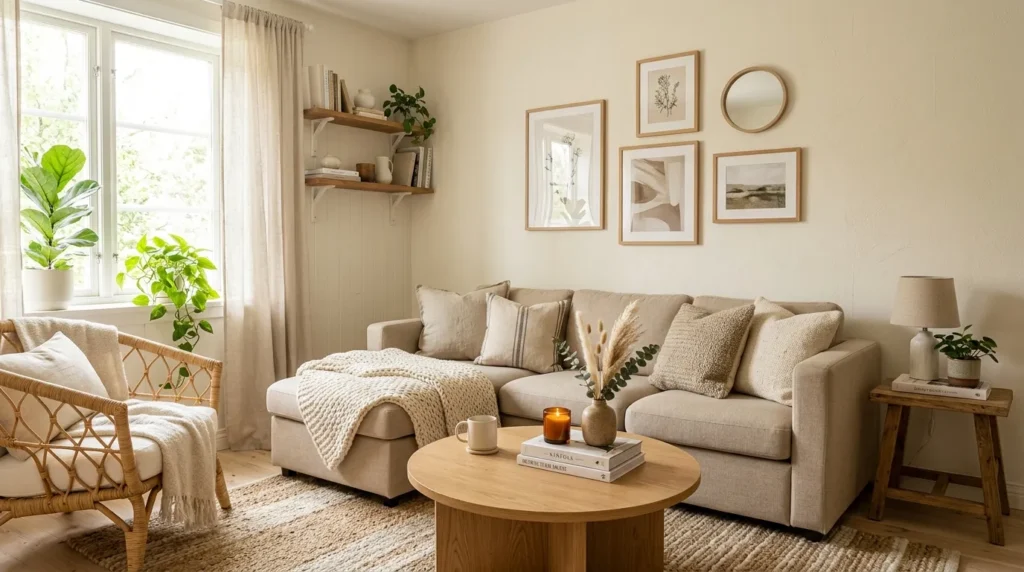
Color has a significant impact on how spacious a room feels. Light neutral shades such as cream, soft beige, warm white, and light gray reflect more light throughout the room, helping create an open and airy environment. Dark colors can sometimes make compact spaces feel enclosed, while lighter tones visually expand walls and surfaces.
That’s why many interior designers recommend neutral palettes for smaller rooms. These colors create a flexible backdrop that works beautifully with a variety of furniture styles and seasonal decor updates.
How To Style It
Use light paint colors on walls and choose furniture in neutral shades. Layer similar tones through pillows, throws, rugs, and curtains to add depth without creating visual clutter.
Natural wood accents help introduce warmth while maintaining the bright aesthetic.
2. Multifunctional Furniture
Quick Benefits
- Saves space
- Adds functionality
- Reduces clutter
- Supports organization
- Perfect for small homes
Why It Works
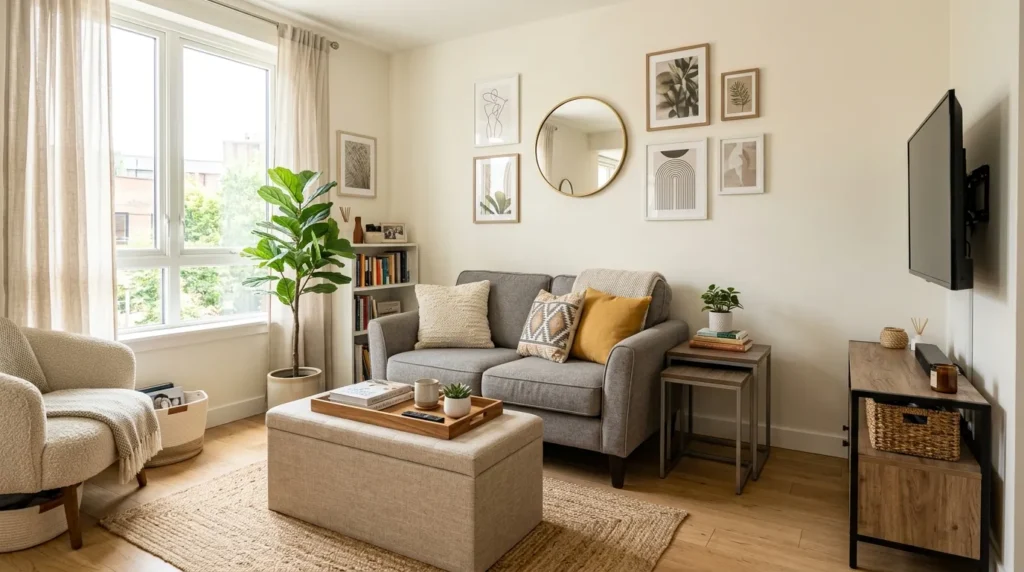
In smaller living rooms, every piece of furniture should work hard. Multifunctional furniture helps maximize usability without overcrowding the room. Pieces that provide storage, seating, or flexible functionality make small spaces feel more efficient and organized.
I’ve seen this approach completely transform compact living rooms by eliminating unnecessary furniture while increasing practicality.
How To Style It
Choose storage ottomans, nesting tables, lift-top coffee tables, or benches with hidden compartments. Prioritize furniture that serves multiple purposes while maintaining a cohesive design aesthetic.
Keep decorative accessories minimal to emphasize functionality.
3. Large Area Rug
Quick Benefits
- Defines the room
- Creates visual continuity
- Adds comfort
- Enhances warmth
- Makes spaces feel larger
Why It Works
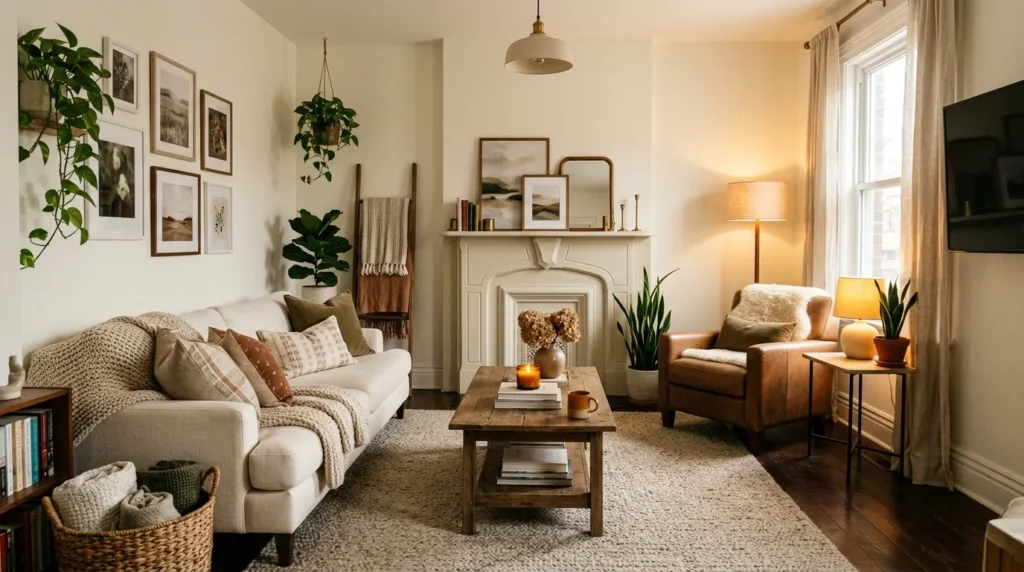
Many people assume small rooms need small rugs, but the opposite is often true. A larger rug helps visually connect furniture pieces and creates the illusion of a more expansive floor plan.
When furniture sits partially on a rug, the room feels more unified and balanced rather than fragmented.
How To Style It
Choose a rug large enough to extend beneath the front legs of major furniture pieces. Neutral patterns and soft textures work particularly well in smaller spaces.
Avoid rugs that are too small, as they can make the room feel disconnected.
4. Floating Shelf Styling
Quick Benefits
- Saves floor space
- Adds storage
- Creates display opportunities
- Enhances organization
- Supports many styles
Why It Works
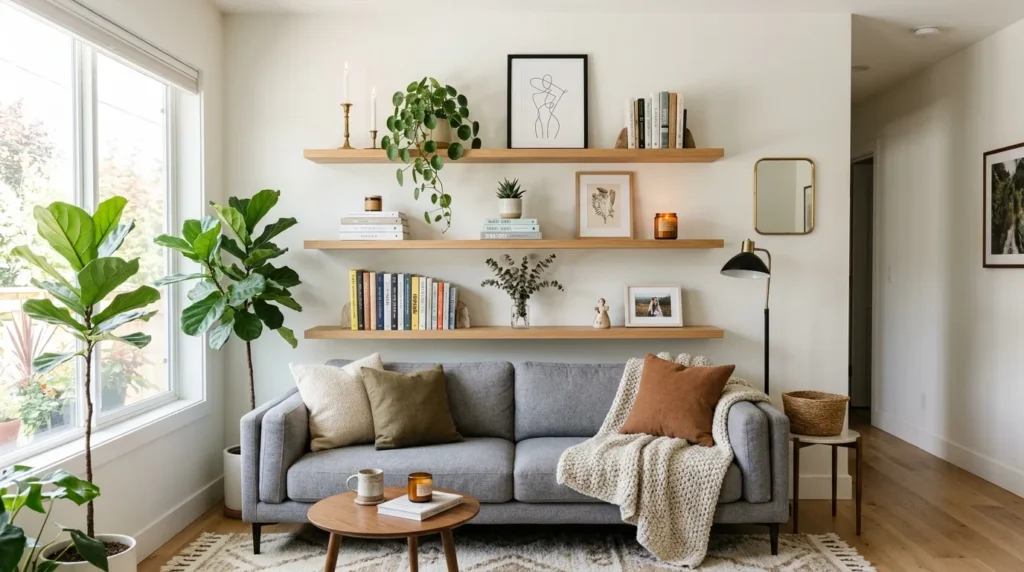
Floor space is valuable in compact living rooms. Floating shelves provide storage and decorative display areas without taking up precious square footage.
These shelves also help utilize vertical wall space effectively, creating both function and visual interest.
How To Style It
Display books, plants, candles, framed artwork, and decorative accessories. Avoid overcrowding shelves and leave some open space to maintain a clean appearance.
Use shelves in matching finishes to create consistency throughout the room.
5. Mirror Reflection Feature
Quick Benefits
- Expands visual space
- Reflects light
- Enhances brightness
- Creates elegance
- Easy decorative upgrade
Why It Works
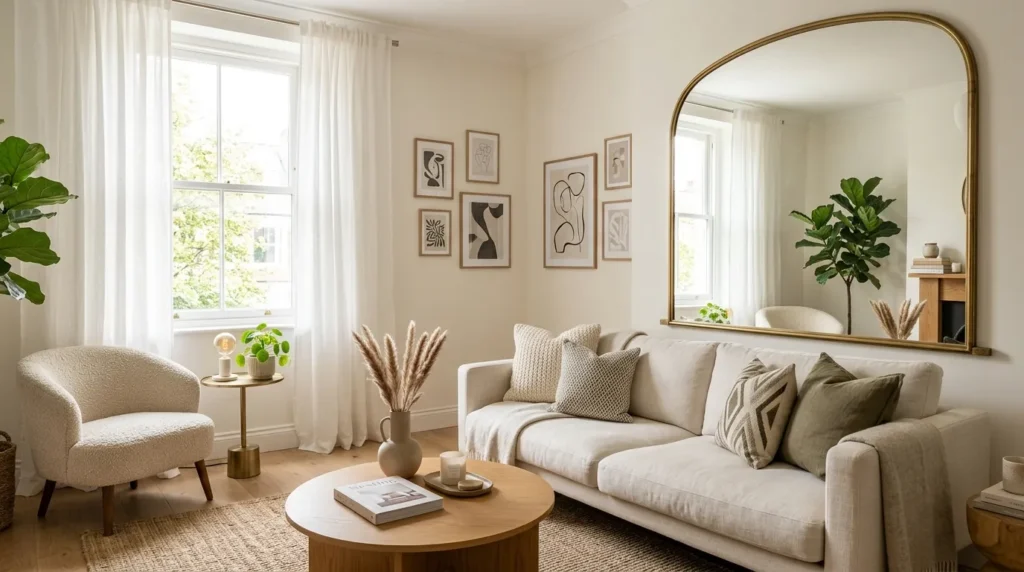
Mirrors are one of the oldest design tricks for making rooms feel larger. By reflecting both natural and artificial light, they create depth and openness that helps reduce feelings of confinement.
A well-placed mirror can dramatically improve the overall atmosphere of a small room.
How To Style It
Position a large mirror opposite a window whenever possible. Choose frames that complement your design style, whether modern, farmhouse, traditional, or minimalist.
Oversized mirrors often create the greatest visual impact.
6. Vertical Decor Focus
Quick Benefits
- Creates height illusion
- Enhances visual interest
- Maximizes wall space
- Supports smaller layouts
- Makes ceilings appear taller
Why It Works
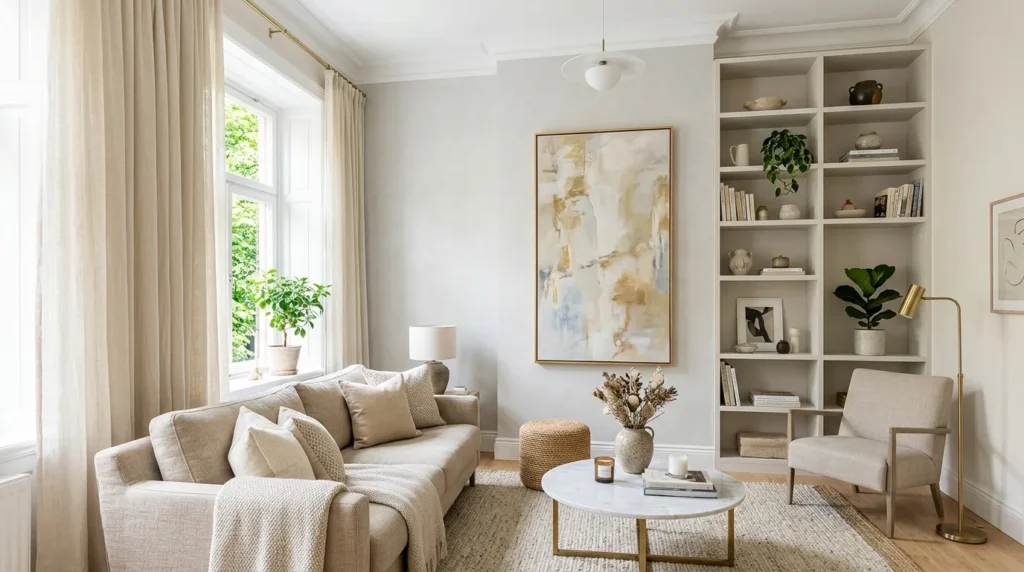
Drawing attention upward helps create the impression of greater ceiling height. Vertical decor elements encourage the eye to travel through the room, making the overall space feel larger.
This strategy is especially useful in apartments and compact homes where ceiling height may be limited.
How To Style It
Use tall bookcases, floor-length curtains, vertical artwork arrangements, or decorative wall panels. Hang curtain rods higher than window frames to emphasize height.
Maintain visual consistency throughout the room for the best results.
7. Cozy Layered Textures
Quick Benefits
- Adds comfort
- Creates warmth
- Enhances visual depth
- Makes rooms inviting
- Supports seasonal styling
Why It Works
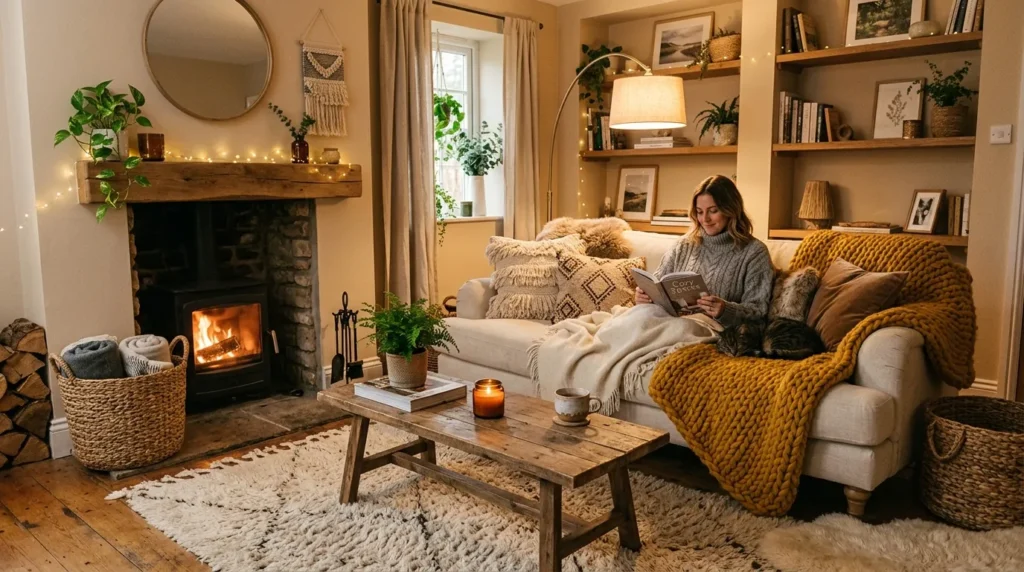
Small living rooms often feel most successful when they embrace coziness rather than fighting against their size. Layered textures create comfort and warmth without requiring additional furniture.
One thing that works especially well is combining different fabric textures while maintaining a consistent color palette.
How To Style It
Layer throw blankets, pillows, woven baskets, soft rugs, and textured upholstery. Mix materials such as linen, knit, boucle, velvet, and natural fibers.
Keep colors coordinated to avoid visual clutter.
8. Slim Profile Furniture
Quick Benefits
- Maintains openness
- Improves traffic flow
- Looks modern
- Saves space
- Creates balance
Why It Works
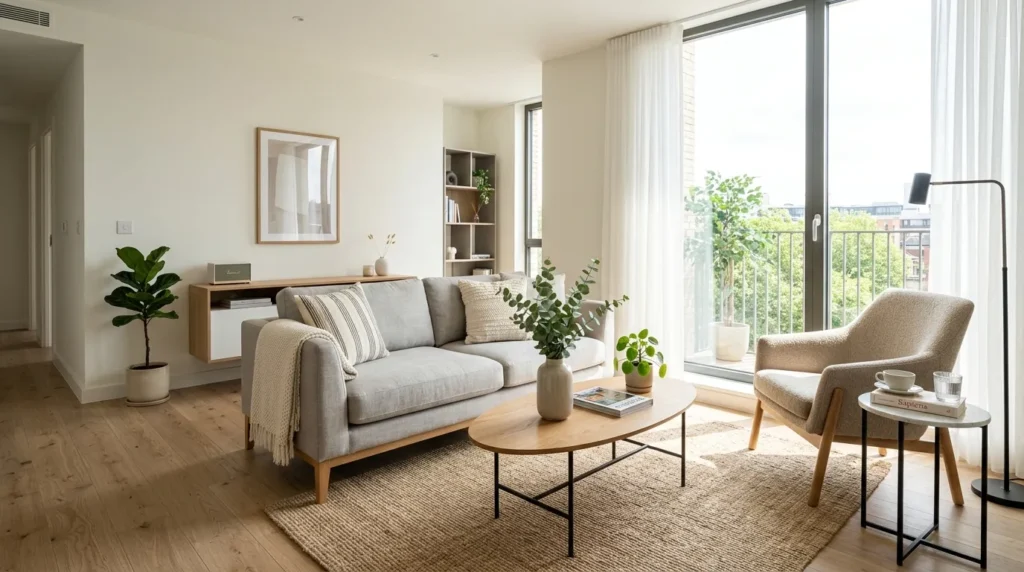
Bulky furniture can quickly overwhelm a small room. Furniture with slimmer frames and elevated legs creates a lighter visual footprint, helping spaces feel less crowded.
I’ve noticed that rooms instantly appear more open when furniture allows visibility beneath and around key pieces.
How To Style It
Choose sofas, chairs, and tables with clean lines and exposed legs. Avoid oversized furniture that dominates the room.
Select pieces proportionate to the available space.
9. Corner Accent Nook
Quick Benefits
- Utilizes unused space
- Adds functionality
- Creates personality
- Enhances comfort
- Supports organization
Why It Works
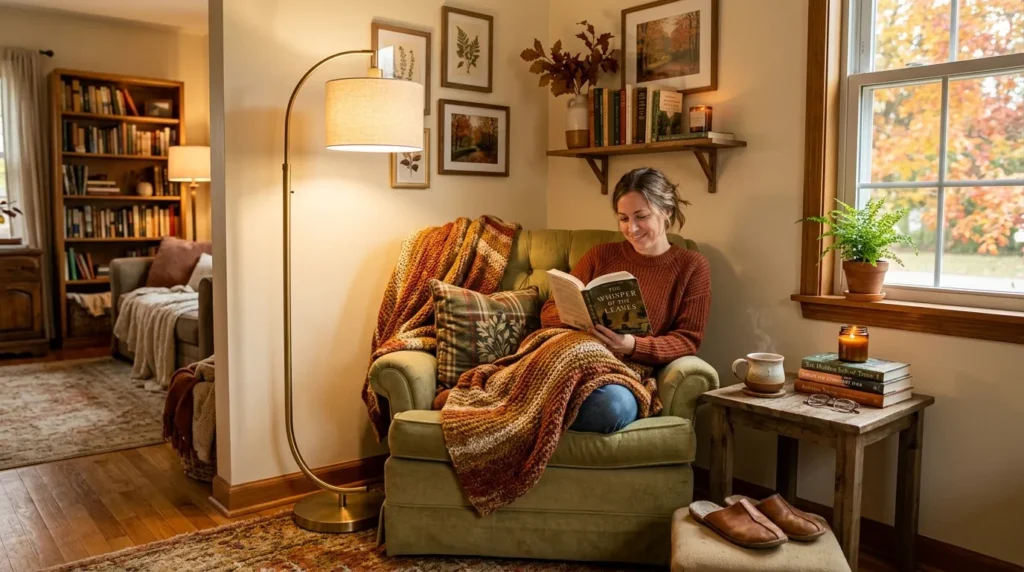
Corners often go unused in small living rooms. Transforming these areas into intentional design features adds both functionality and visual interest without consuming valuable floor space.
Small reading corners, plant displays, or decorative vignettes can make the room feel more complete.
How To Style It
Add a comfortable chair, small table, lamp, and decorative accessories. Alternatively, create a plant corner using layered greenery and baskets.
Keep the arrangement compact and purposeful.
10. Minimalist Decor Balance
Quick Benefits
- Reduces clutter
- Creates calmness
- Enhances openness
- Easy maintenance
- Timeless aesthetic
Why It Works
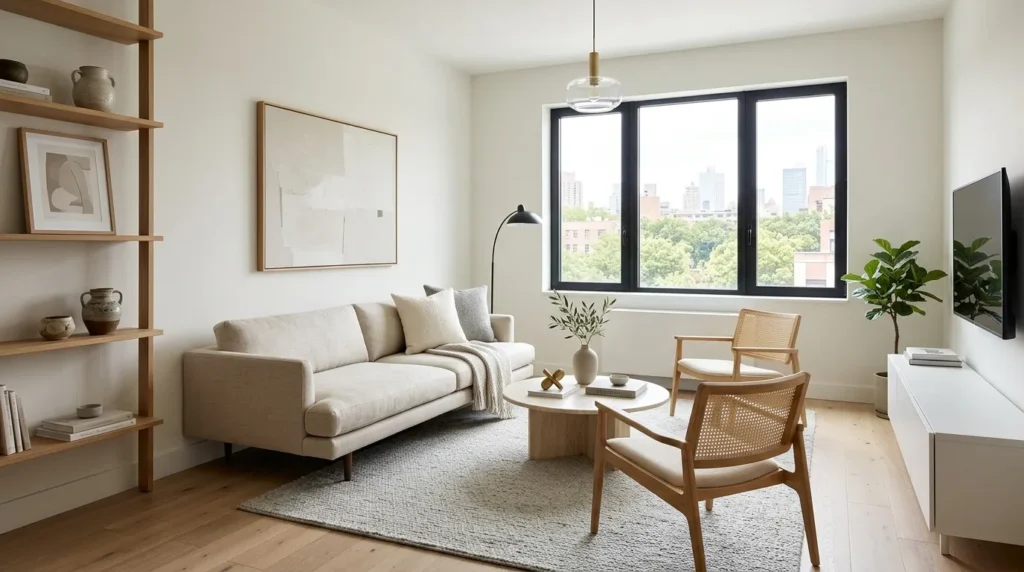
A mistake many homeowners make is filling small rooms with too many decorative items. Thoughtful minimalism allows important pieces to stand out while helping the room feel larger and more organized.
The goal isn’t emptiness but intentionality.
How To Style It
Choose fewer, higher-impact decorative pieces rather than many small accessories. Focus on quality over quantity and maintain a consistent color palette.
Leave breathing room between furniture and decor whenever possible.
Frequently Asked Questions
How can I make a small living room look bigger?
Use light colors, mirrors, multifunctional furniture, large rugs, vertical decor, and uncluttered layouts to create the illusion of more space.
What colors work best in small living rooms?
Soft neutrals such as white, cream, beige, light gray, and warm taupe help reflect light and make rooms feel larger.
Should furniture be pushed against walls in a small room?
Not always. Leaving a small gap behind furniture can sometimes create the illusion of more space and improve room flow.
What type of sofa is best for a small living room?
Slim-profile sofas with exposed legs often work best because they appear visually lighter and take up less visual space.
Are large mirrors effective in small spaces?
Yes. Large mirrors reflect light and create depth, making small rooms feel brighter and more spacious.
How do I decorate a small living room without clutter?
Focus on multifunctional furniture, intentional decor choices, vertical storage, and a consistent color palette while avoiding excessive accessories.
Conclusion
A small living room can be just as stylish, comfortable, and functional as a larger space when designed thoughtfully. The key is maximizing every element through smart furniture choices, strategic layouts, light-enhancing techniques, and intentional decorating decisions.
Rather than viewing limited square footage as a challenge, think of it as an opportunity to create a cozy and highly personalized environment. Small spaces often feel more intimate and welcoming when designed with care. By incorporating ideas such as neutral color palettes, multifunctional furniture, layered textures, floating shelves, and well-placed mirrors, you can transform your living room into a space that feels both beautiful and practical.
Start with one or two of these decorating strategies and build gradually. Small improvements can have a surprisingly large impact, helping your living room feel more spacious, organized, and inviting every day.
Related Articles
- 10 Cozy Living Room Ideas
- 10 Apartment Decor Ideas
- 10 Neutral Home Decor Ideas
- 10 Small Space Storage Ideas
- 10 Modern Living Room Styling Ideas