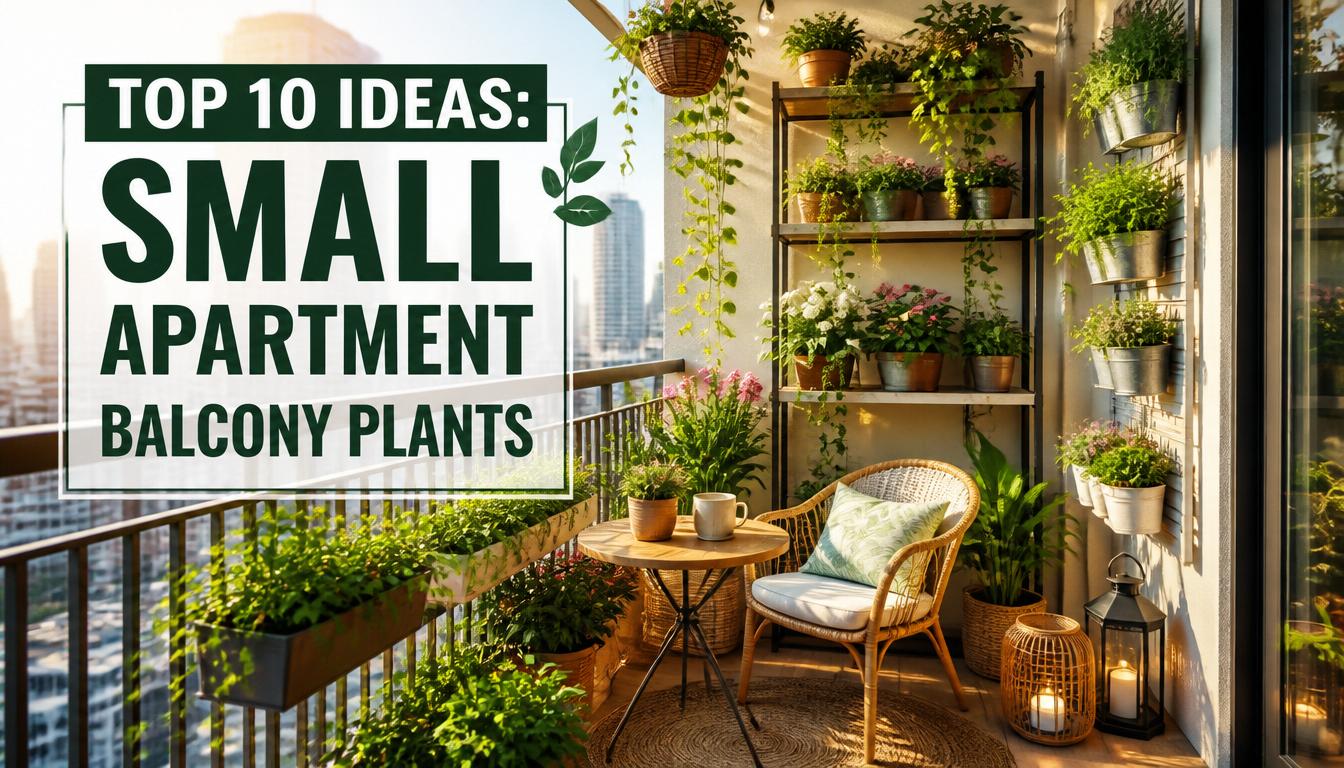
Top 10 Ideas: Do Small Apartment Balcony Plants
Introduction
Small apartment balconies often feel underutilized, but with thoughtful plant design, they can transform into lush, cozy outdoor extensions of your home. For U.S. city apartments, maximizing vertical and corner space is essential, as floor areas are usually limited. Adding greenery not only beautifies the space but also provides privacy, fresh air, and a sense of calm.
These Do Small Apartment balcony plant ideas focus on practical, stylish, and functional solutions. From vertical walls and hanging baskets to tiered planters, herb corners, and canopy features, each concept creates a vibrant, Pinterest-ready balcony garden without overwhelming compact spaces.
1. Vertical Planter Tower
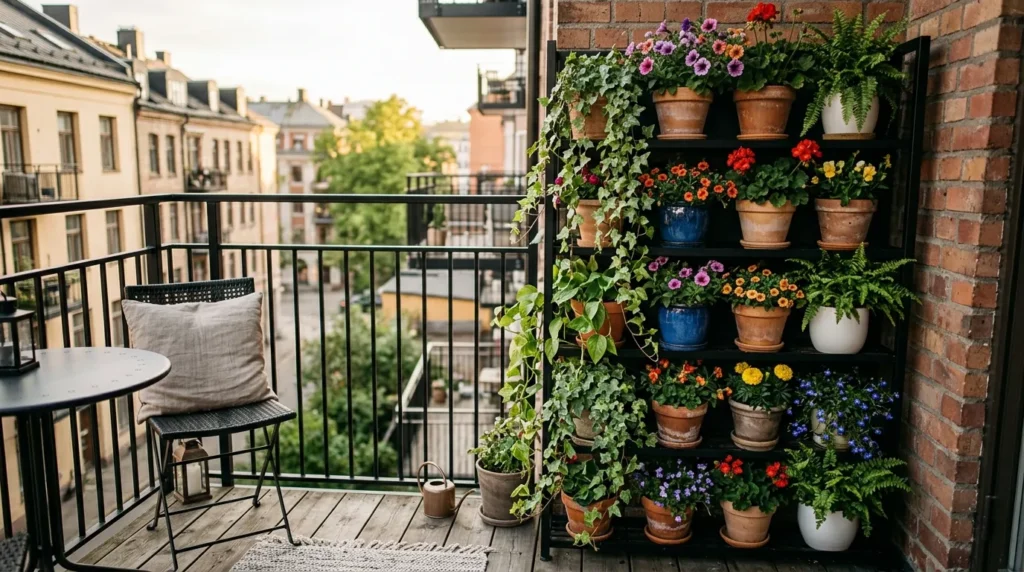
- Maximizes vertical space without occupying the floor.
- Works with modular stacked planters or wall-mounted shelves.
- Ideal for flowers, herbs, or leafy greens.
- Adds height and visual interest.
- Provides privacy in dense urban areas.
A vertical planter tower is perfect for small balconies where every inch counts. It transforms a blank wall or corner into a lush focal point. In my experience, stacking planters in tiers allows plants to grow at different levels, giving the balcony depth and a layered look. Modular designs make it easy to replace or rearrange plants without displacing the whole system. It’s an efficient way to grow herbs, flowers, and small shrubs in a limited footprint, enhancing both functionality and aesthetics.
The tower’s impact comes from its structured arrangement. Taller plants at the back or top levels add dimension, while trailing varieties cascade downward. Lightweight planters and secure mounting ensure safety and stability on narrow balconies. Proper drainage prevents water accumulation and plant stress. The result is a visually striking, Pinterest-ready balcony that feels larger and greener, creating a private, lush environment within compact urban spaces.
2. Hanging Basket Cluster
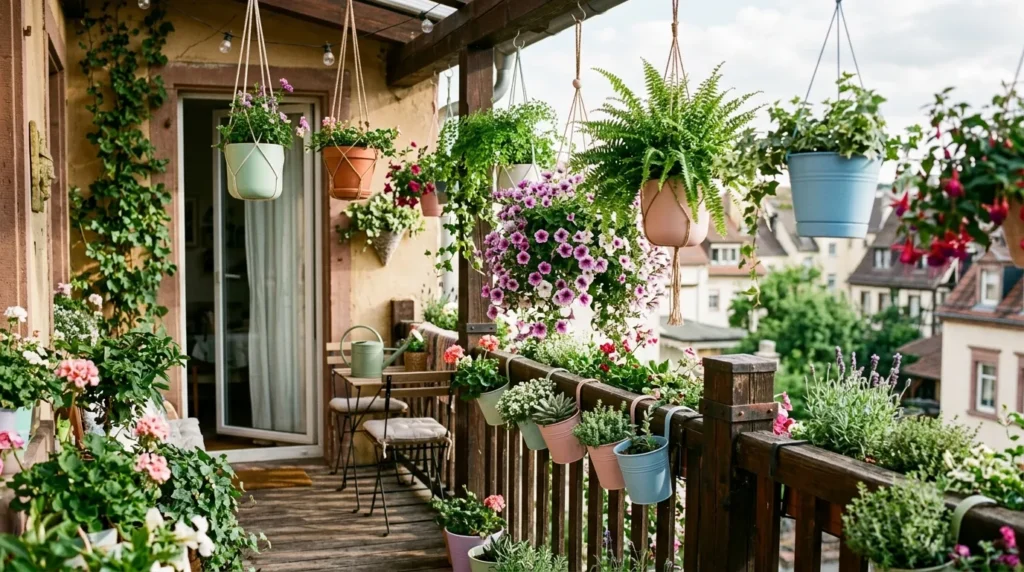
- Introduces greenery overhead without taking floor space.
- Works with ceiling hooks, railing mounts, or brackets.
- Ideal for trailing flowers, herbs, or ferns.
- Creates depth and layered visual interest.
- Enhances airflow and sunlight access for plants.
Hanging basket clusters bring a vertical dimension to small balconies, making them feel lively and layered. In my experience, grouping baskets at varying heights creates a cascading, natural effect that fills empty space visually. Lightweight baskets and secure hooks ensure safety while allowing flexibility for plant arrangements. Trailing ivy, petunias, or aromatic herbs add color and fragrance while softening harsh balcony edges. These clusters are functional and decorative, providing greenery at eye level without crowding the floor.
The design transforms an overlooked overhead area into a green canopy. Position baskets where sunlight reaches each plant, and combine flowering and leafy varieties for a balanced look. Self-watering inserts reduce maintenance and enhance plant health. The balcony feels airy yet lush, and the vertical layering creates a visually dynamic Pinterest-worthy garden. This approach allows maximum greenery impact while keeping the limited floor space open for seating or decorative elements.
3. Tiered Plant Shelf
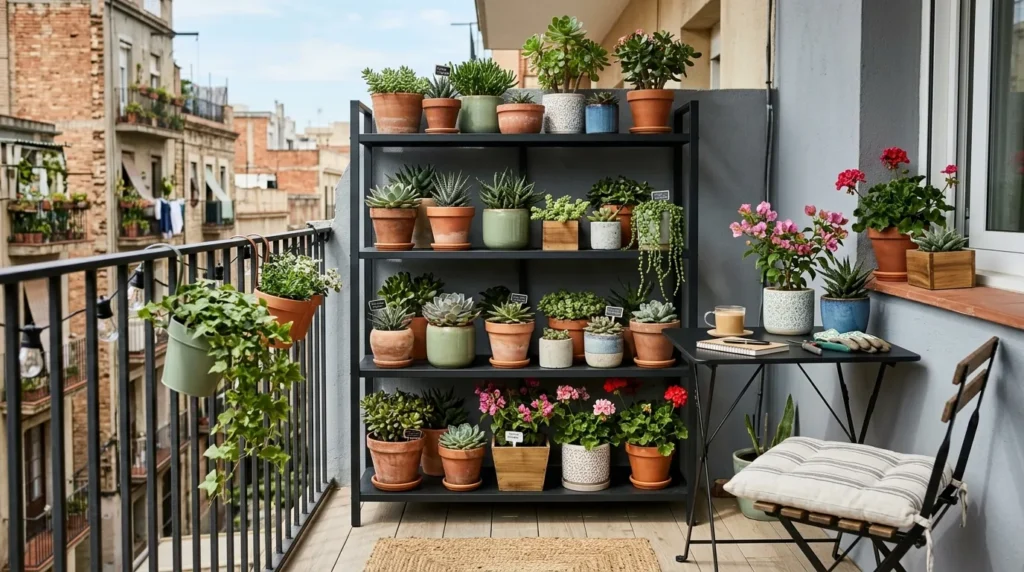
- Stacks multiple plants in a compact footprint.
- Works with metal, wooden, or composite shelves.
- Ideal for herbs, succulents, and flowers.
- Creates vertical height and organized layering.
- Makes small balconies appear fuller and lively.
Tiered plant shelves efficiently utilize floor and corner spaces, allowing multiple plants to occupy the same footprint. In my experience, layering plants from tallest to shortest on each tier provides a structured, modern aesthetic while maintaining accessibility. This design is excellent for compact balconies, offering a visually interesting focal point without clutter. It works well with herbs, succulents, and flowering plants, providing both practical gardening benefits and decorative appeal.
The transformation comes from organized vertical planting. Place taller plants on the top tier and smaller ones below for contrast and depth. Use lightweight, weather-resistant materials to ensure stability and safety. Arrange plants with varying colors and textures for a dynamic Pinterest-ready look. Tiered shelves also make watering and maintenance easy, keeping the balcony tidy and visually balanced while maximizing green coverage in limited spaces.
4. Railing Herb Garden
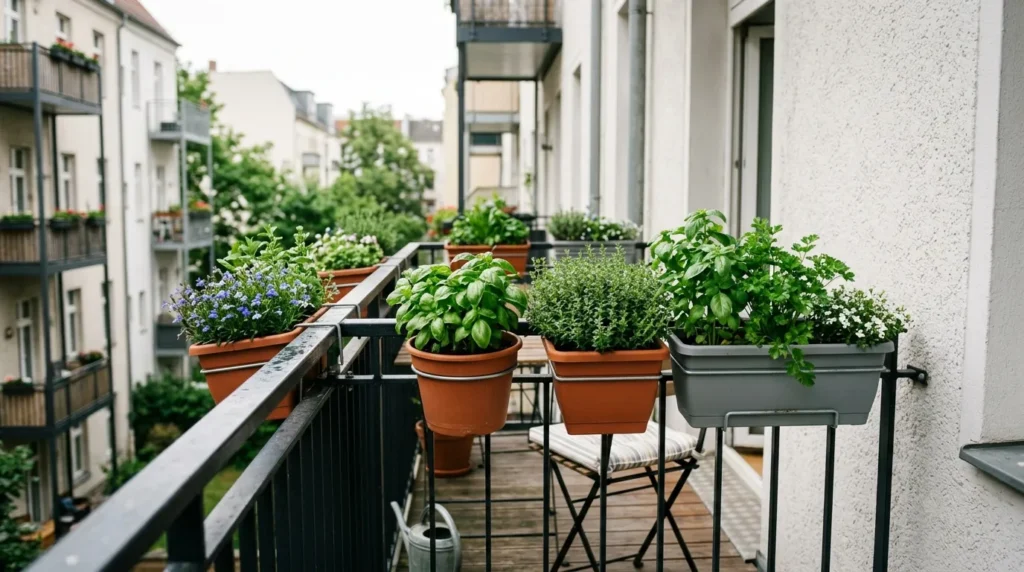
- Maximizes balcony railings for functional greenery.
- Works with clip-on pots or small hanging baskets.
- Ideal for basil, thyme, mint, and ornamental flowers.
- Frees up floor space while adding height.
- Creates an accessible mini kitchen garden.
A railing herb garden allows residents to cultivate edible plants without sacrificing valuable floor space. In my experience, clip-on pots or railing-mounted containers make herbs easily accessible for cooking while keeping the balcony organized. Herbs like basil, oregano, or parsley thrive in small planters with sunlight and proper watering. Combining flowering plants with herbs enhances visual appeal, adding color and dimension to narrow urban balconies.
This approach turns a simple railing into a functional focal point. Arrange plants by height, size, or trailing characteristics for a visually appealing staggered effect. Lightweight pots reduce strain on railings, and drainage holes prevent water pooling. The balcony becomes both practical and decorative, providing fresh herbs at arm’s reach while creating a layered, lush, Pinterest-style garden design.
5. Corner Plant Cluster
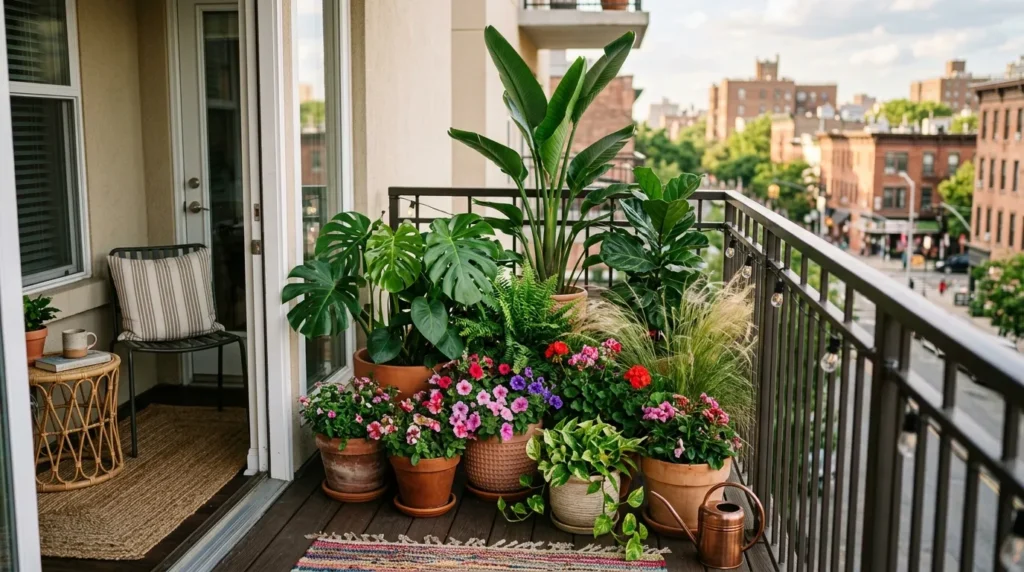
- Makes use of underutilized balcony corners.
- Works with large pots, grouping plants by height or type.
- Ideal for ornamental grasses, flowers, or tropical foliage.
- Creates depth and visual focus.
- Softens hard balcony edges.
Corner plant clusters create a mini garden in previously empty balcony areas. By grouping larger pots with taller plants in the back and shorter ones in the front, you achieve depth, dimension, and a natural focal point. I’ve noticed that corner clusters make small balconies feel fuller and more structured, while softening rigid railing lines. Combining flowering and foliage plants provides texture, color, and seasonal interest.
The design improves visual balance and utility. Place the cluster in a corner with sufficient sunlight and space for growth. Arrange pots to create staggered heights for visual rhythm. Adding stones, moss, or decorative elements enhances Pinterest-style appeal. This setup turns a small, underutilized balcony corner into a vibrant, functional green oasis, enriching the overall outdoor experience for urban dwellers.
6. Succulent Tray Display
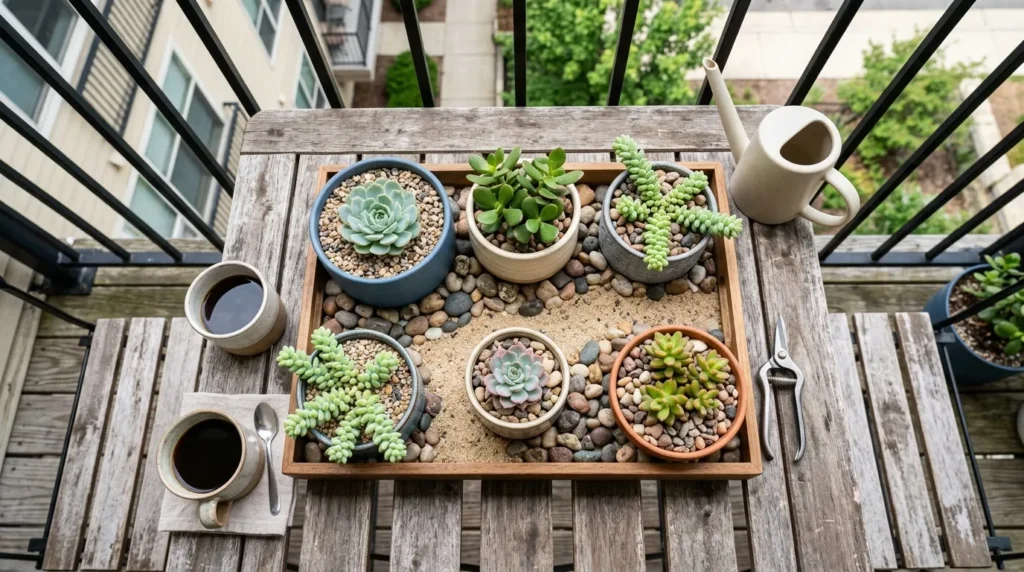
- Low-maintenance greenery for small spaces.
- Works with shallow trays, ceramic containers, or terrariums.
- Ideal for echeveria, jade, aloe, or sedum varieties.
- Adds texture, color, and modern aesthetic.
- Suitable for sunny balcony corners or tabletops.
A succulent tray display offers a compact, low-maintenance solution for apartment balconies. Succulents thrive in small containers, requiring minimal water while providing visually striking forms. In my experience, arranging succulents in grouped trays enhances the modern aesthetic and provides a curated, Pinterest-ready look. Trays can be positioned on tables, shelves, or corners to maximize space and height, adding greenery without cluttering the floor.
The transformation comes from careful arrangement of different plant shapes and colors. Place taller succulents at the back, and smaller varieties or trailing plants in front. Add decorative stones or sand to accentuate contrast. With minimal upkeep, this approach delivers a structured, stylish display that feels contemporary, bright, and layered, perfect for small urban balcony gardens.
7. Hanging Vertical Rails
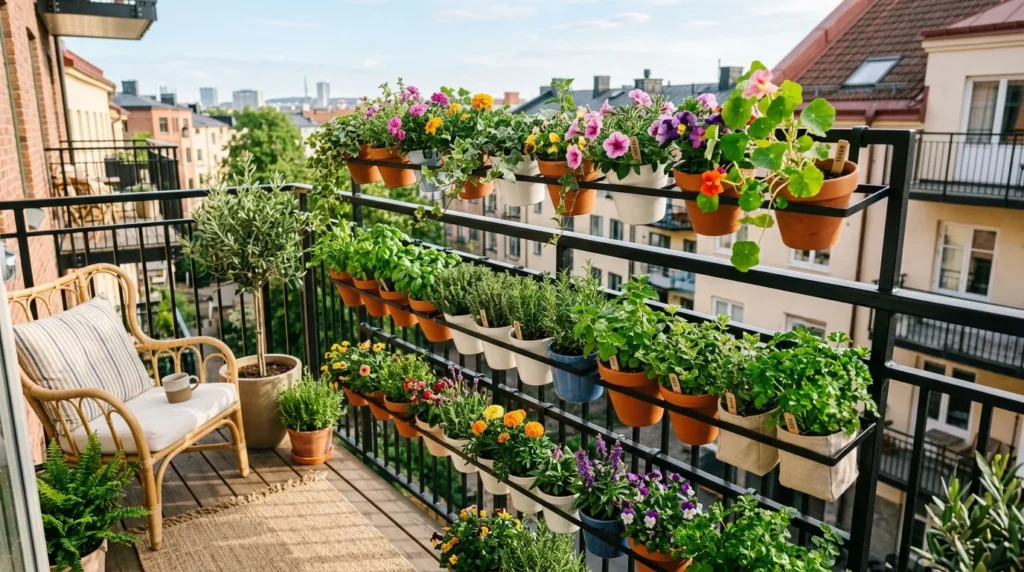
- Converts railing space into functional planting zones.
- Works with staggered rail-mounted pots or trays.
- Ideal for flowers, herbs, and trailing vines.
- Frees up floor space while adding greenery.
- Provides visual layering at eye level.
Hanging vertical rails turn balcony railings into multi-level planting areas. In my experience, staggered rail pots provide both vertical height and accessible greenery without reducing walkable floor space. Trailing vines, herbs, and small flowering plants thrive in this layout while adding a dynamic aesthetic. Lightweight materials and secure mounts ensure safety and durability. The design also contributes to privacy and visual interest in urban environments.
This approach enhances vertical dimension while keeping the floor open. Arrange plants by height, leaf type, or trailing patterns for depth. Use lightweight containers with proper drainage to prevent water stress. Adding colorful blooms creates contrast with foliage. The balcony feels lush, organized, and Pinterest-worthy, with multi-layered greenery that elevates small outdoor spaces.
8. Tiered Hanging Pots
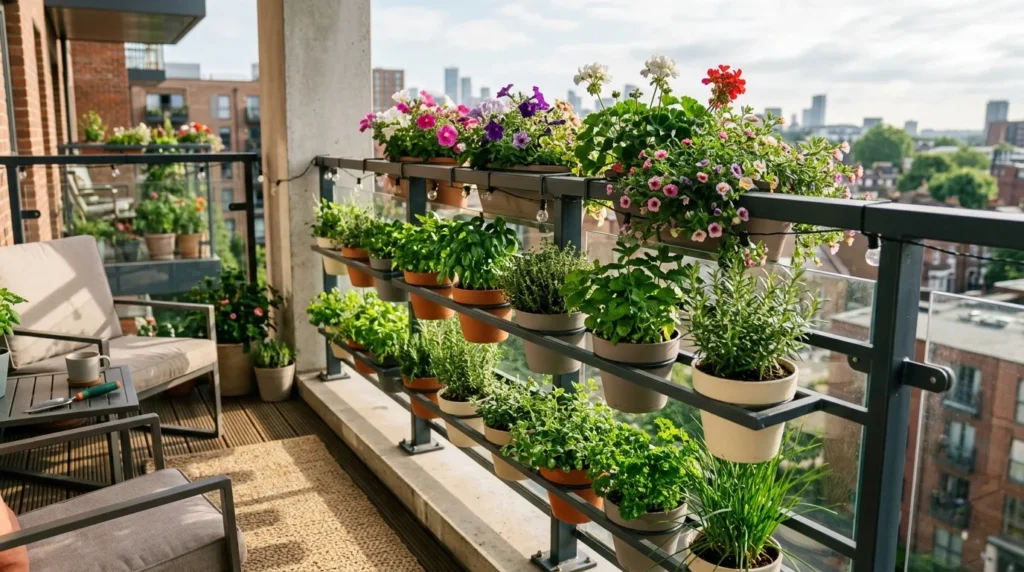
- Layers plants vertically without floor use.
- Works with ceiling hooks, chains, or bracket mounts.
- Ideal for trailing flowers, herbs, or small foliage.
- Adds dynamic height and layered texture.
- Maximizes usable balcony space.
Tiered hanging pots provide a visually striking vertical garden effect. By suspending plants at different heights, balconies gain depth and a lush, layered appearance. In my experience, trailing plants like ivy, ferns, or petunias create motion and fullness. Secure chains or hooks prevent accidents, and lightweight pots reduce stress on mounting structures. This design makes the balcony feel immersive and carefully curated while preserving usable floor space for seating or decorative elements.
The transformation is achieved by arranging plants in graduated heights with a mix of foliage and flowers. Ensure sunlight access and regular watering for optimal health. Decorative stones or moss can accentuate the pots. This method creates a stylish, Pinterest-ready balcony garden that combines visual interest, functionality, and vertical green density in compact urban spaces.
9. Hanging Flower Cascade
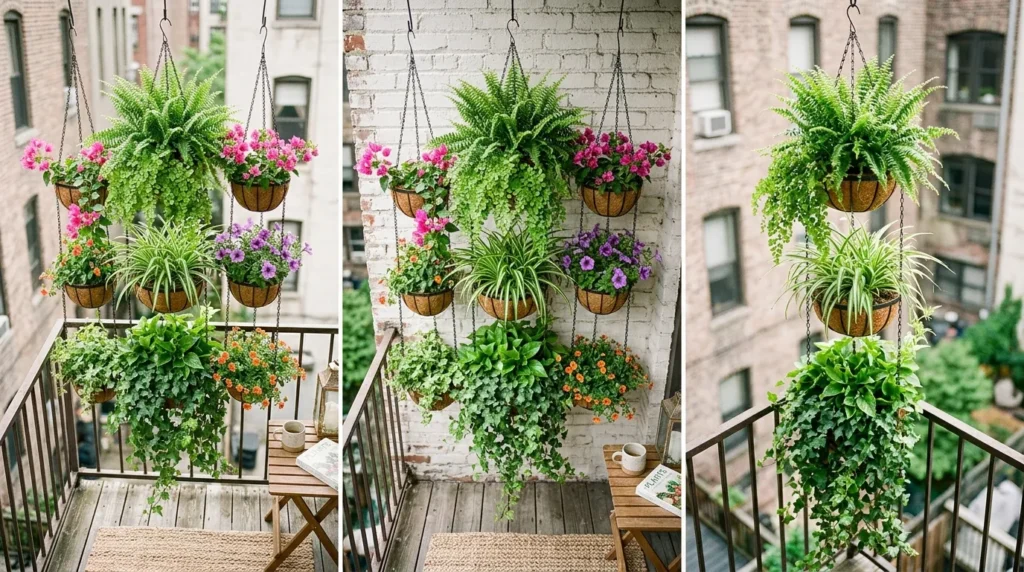
- Adds color overhead without taking floor space.
- Works with railing hooks, ceiling mounts, or suspension brackets.
- Ideal for petunias, fuchsias, and trailing annuals.
- Creates visual movement and depth.
- Softens balcony edges and railings.
A hanging flower cascade transforms empty overhead space into a colorful, dynamic display. In my experience, cascading blooms like petunias or fuchsias create visual softness and motion, enhancing balcony charm. Properly spaced hanging baskets maintain airflow and sunlight exposure for each plant. The cascade approach adds vertical interest and layers without overwhelming limited floor areas, making the space feel lush and inviting.
This design draws the eye upward and adds dimension to small balconies. Position baskets at staggered heights to create natural layering. Use lightweight containers with secure mounts and drainage liners. Incorporate contrasting flower colors for vibrancy. The result is a visually appealing, Pinterest-ready balcony garden that maximizes vertical space while keeping the area functional and stylish.
10. Balcony Green Canopy
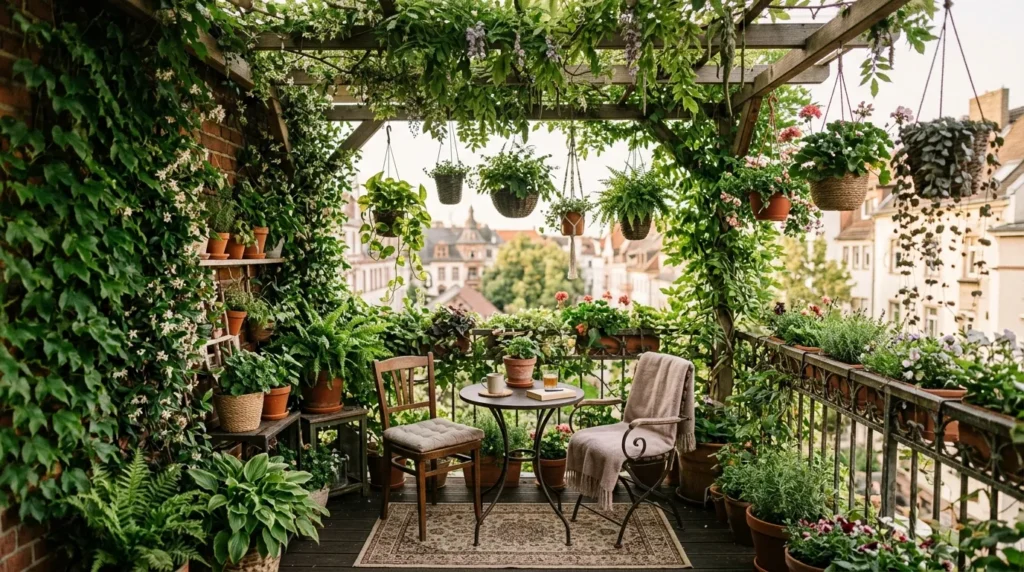
- Uses overhead space for privacy and shade.
- Works with climbing vines, hanging planters, or suspended baskets.
- Ideal for creating a cozy, sheltered feel.
- Adds vertical layering and natural texture.
- Enhances privacy and a serene atmosphere.
A balcony green canopy transforms the upper space into a leafy retreat. Hanging planters or climbing vines create shade, privacy, and depth, making the area feel intimate and lush. In my experience, overhead greenery dramatically improves the ambiance, turning a small balcony into a cozy oasis. Suspended planting allows floor space for seating or decorative elements, while providing a layered, immersive effect that is both functional and visually appealing.
The transformation occurs through layered plant placement and proper sunlight management. Combine flowering and foliage plants for contrast and texture. Secure mounting ensures safety for both plants and residents. The balcony becomes a serene, private escape, Pinterest-ready, and visually captivating. This creative approach maximizes vertical space while creating a relaxing urban garden experience.