Pull-Out Valet Rods: Weight Limits and Best Mounting Heights
Planning your dream closet often involves small details that make a massive difference in daily efficiency. Pull-out valet rods serve as a perfect solution for staging outfits, drying delicates, or providing temporary hanging space for dry cleaning.
Understanding the technical specifications behind pull-out valet rods, particularly their weight limits and best mounting heights, ensures your hardware remains functional and secure for years. Whether you are retrofitting an existing wardrobe or building a custom storage system from scratch, knowing how to properly install and load these rods is essential for success.
Understanding Weight Limits
Most standard residential valet rods are designed to hold between 10 and 30 pounds when fully extended. This capacity is more than sufficient for a typical outfit, including a heavy winter coat, a suit jacket, and a dress shirt.
You must remember that the leverage applied to the mechanism increases significantly as the rod is pulled out from the closet wall. Manufacturers test these limits under controlled conditions, assuming the weight is distributed evenly across the length of the rod rather than concentrated at the very tip.
If you plan to hang heavy items like leather jackets or damp laundry, it is wise to choose a product made from high-quality steel or thick aluminum. Some heavy-duty models are rated for up to 50 pounds, though these often require more complex mounting hardware to prevent the screws from tearing out of the substrate.
Always check the packaging or the manufacturer’s technical data sheet for specific load ratings before installation. Overloading a rod can lead to bending, sagging, or mechanical failure of the sliding track system.
Factors Influencing Load Capacity
The material of your closet panel plays a huge role in how much weight the rod can actually handle. Melamine or particleboard, while common in modern closets, does not hold screws as securely as solid wood or plywood.
If you are mounting your hardware into a thin side panel, consider using toggle bolts or reinforcing the area with a small wood block on the back side. The quality of the slide mechanism also matters, as ball-bearing slides generally offer smoother operation and better weight distribution than simple friction-based tracks.
Determining the Best Mounting Height
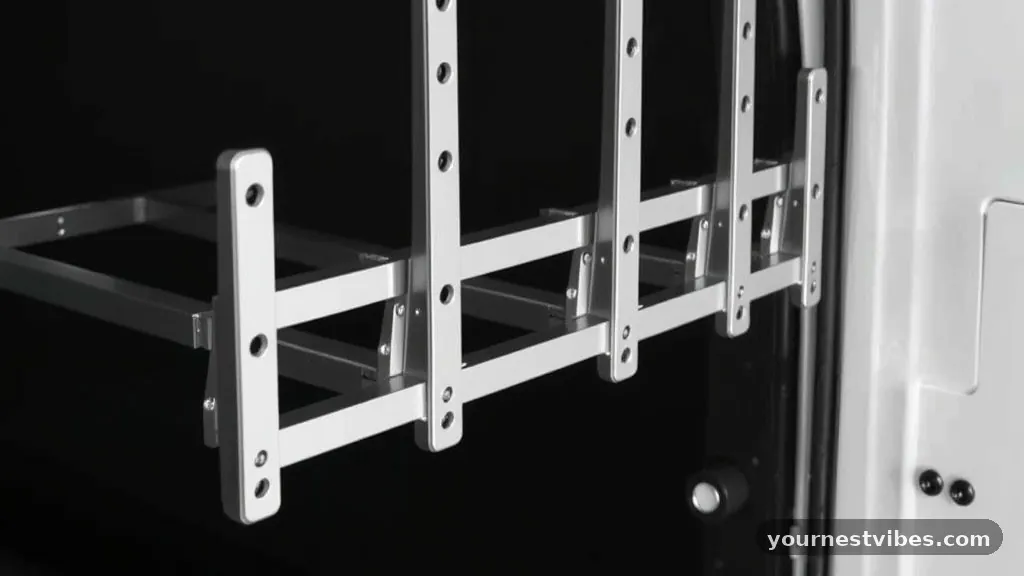
The ideal mounting height for a valet rod is typically between 60 and 70 inches from the floor. This range places the rod at approximately eye level for the average adult, making it easy to see your clothes and reach them without straining.
You should adjust this height based on the length of the garments you plan to hang most frequently. For example, if you are primarily using the rod for long dresses or coats, you might want to mount it slightly higher to prevent the fabric from pooling on the floor or bottom shelf.
Accessibility is the primary factor when choosing a height, especially if you have limited mobility. If the rod is intended for a child’s room or a lower section of a reach-in closet, mounting it at 48 inches may be more practical.
Consider the “reach” of the user to ensure the space remains functional for everyone in the home. It is helpful to hold a hanger against the wall at various heights before drilling any holes to see what feels most natural for your specific needs.
Strategic Placement in Your Wardrobe

Where you place your rods within the closet impacts the overall flow of your morning routine. Most people prefer to install them near the main hanging area so that staging an outfit is a natural extension of choosing clothes.
Avoid placing them too close to corners where a cabinet door might swing open and hit the garments hanging on the rod. You want to ensure there is enough clearance for the rod to extend fully without bumping into other items or structural obstructions.
Consider installing these rods in pairs if you have a large walk-in area. Having one rod on the left for staging and one on the right for incoming dry cleaning can keep your space organized.
You can find more information on general closet planning and ergonomic standards through resources like the International Association of Certified Home Inspectors to ensure your layout meets safety and functionality benchmarks. Proper planning prevents the “cluttered” look that often happens when clothes are draped over chair backs or bedroom doors.
Installation Best Practices
Installing a valet rod is a straightforward project that usually requires little more than a drill, a screwdriver, and a level. Start by marking the location of your holes using a pencil, ensuring the rod is perfectly horizontal.
If you skip the leveling step, the rod may naturally slide open or closed on its own, which becomes a nuisance over time. Always pilot-drill your holes to prevent the wood or laminate from cracking, especially if you are working with older, brittle materials.
Use the screws provided by the manufacturer, as these are specifically selected for the load-bearing capacity of that model. If you lose them, do not substitute with drywall screws, which have a tendency to snap under shear force.
Ensure the rod is pushed firmly against the mounting surface when tightening the fasteners to minimize any “wobble” in the mechanism. A tight, flush fit is the difference between a professional-looking closet upgrade and a sloppy DIY result.
Comparing Hardware Finishes and Styles
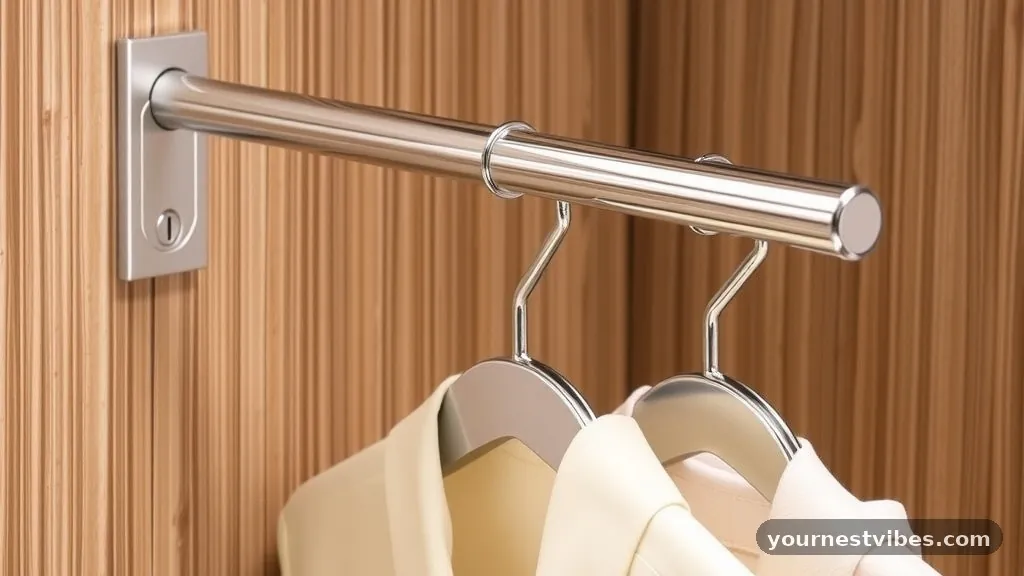
When selecting your hardware, the finish should complement the existing aesthetic of your room. Common finishes include polished chrome, brushed nickel, matte black, and oil-rubbed bronze.
While aesthetic is subjective, remember that certain finishes show fingerprints or dust more easily than others. Matte black has become increasingly popular for modern, high-contrast closets, while chrome offers a timeless, clean look that reflects light well in smaller, darker spaces.
| Finish Type | Best For | Durability |
|---|---|---|
| Polished Chrome | Modern, bright closets | High (Resistant to rust) |
| Matte Black | Industrial or Minimalist | Medium (Shows dust) |
| Brushed Nickel | Traditional, warm interiors | High (Hides fingerprints) |
| Oil-Rubbed Bronze | Rustic or Vintage styles | Medium (Can wear over time) |
Common Challenges and Solutions
One frequent issue users encounter is the rod becoming stiff or noisy after a few months of use. This is often due to dust buildup in the tracks or a lack of lubrication on the ball bearings.
You can fix this by cleaning the tracks with a damp cloth and applying a small amount of silicone-based spray lubricant. Avoid using heavy grease, which tends to attract more dust and hair, eventually causing the mechanism to jam again.
Another common complaint is the rod sagging when it is extended. This usually happens because the mounting screws have loosened over time or the rod was installed into a weak spot in the closet panel.
If the rod feels loose, check the tightness of the screws first. If the panel itself is flexing, you may need to add a support bracket or move the rod to a location where it can be secured directly into a vertical stud or a more solid piece of framing.
Essential Considerations for Small Spaces
In compact rooms, every inch counts, and pull-out rods are invaluable for maximizing vertical storage. You can mount them in narrow gaps between shelves where a full-width closet rod would never fit. This allows you to utilize dead space that would otherwise be wasted.
When working with these tight areas, ensure the rod is short enough to clear any obstructions when fully extended. It is often better to have a slightly shorter rod that operates smoothly than a longer one that hits the wall or door every time it is used.
- Measure the depth of your closet cabinet carefully before purchasing the rod.
- Ensure the slide mechanism is fully accessible when the closet door is open.
- Choose a rod with a stop-lock feature if you have a slight tilt in your floor.
- Consider the width of the clothes you hang to avoid crowding the aisle.
- Check if the rod can be mounted to the underside of a shelf if side walls are unavailable.
Frequently Asked Questions
Do I need to drill into a stud for a valet rod?
While drilling into a stud is always the strongest option, most valet rods are designed to be mounted into cabinet-grade plywood or melamine. If you are mounting into thin material, use high-quality anchors or toggle bolts to ensure the rod doesn’t pull away from the wall under the weight of heavy winter clothing.
Can I install a valet rod on wire shelving?
Yes, there are specific clips and adapters available that allow you to attach valet rods directly to wire shelving units. These often snap or bolt onto the front edge of the wire, though they may have lower weight capacities than wall-mounted versions. Always check the specific compatibility with your shelving brand before purchase.
What is the standard length of a pull-out valet rod?
Most standard residential rods range from 10 to 14 inches in length when retracted. When fully extended, they usually provide an additional 8 to 12 inches of hanging space. Always measure your closet depth to ensure you have enough room for the rod to retract fully without interfering with the door closing.
How do I stop the rod from sliding out on its own?
If your rod slides out unexpectedly, it is likely due to the closet being slightly unlevel or the slide mechanism being tilted. Ensure your mounting hardware is level during installation. You can also look for models that feature a “detent” or a small locking notch that keeps the rod in the closed position until you give it a firm tug.
Conclusion
Selecting and installing the right hardware is a rewarding way to improve the functionality of your home storage. By paying attention to the weight limits and choosing the best mounting height for your specific needs, you ensure that your pull-out valet rods remain a reliable part of your daily routine. Remember that these small additions often provide the most significant improvements to how you interact with your wardrobe.
With the correct installation techniques and a bit of planning, you can eliminate clutter and keep your favorite outfits staged and ready for use. If you have questions about specific product brands or unique closet configurations, feel free to reach out for more tailored advice on your next project.